9525 W Russell Rd, Las Vegas, NV 89148, United States
Why Dentists Recommend Replacing Missing Teeth Sooner Than You Think

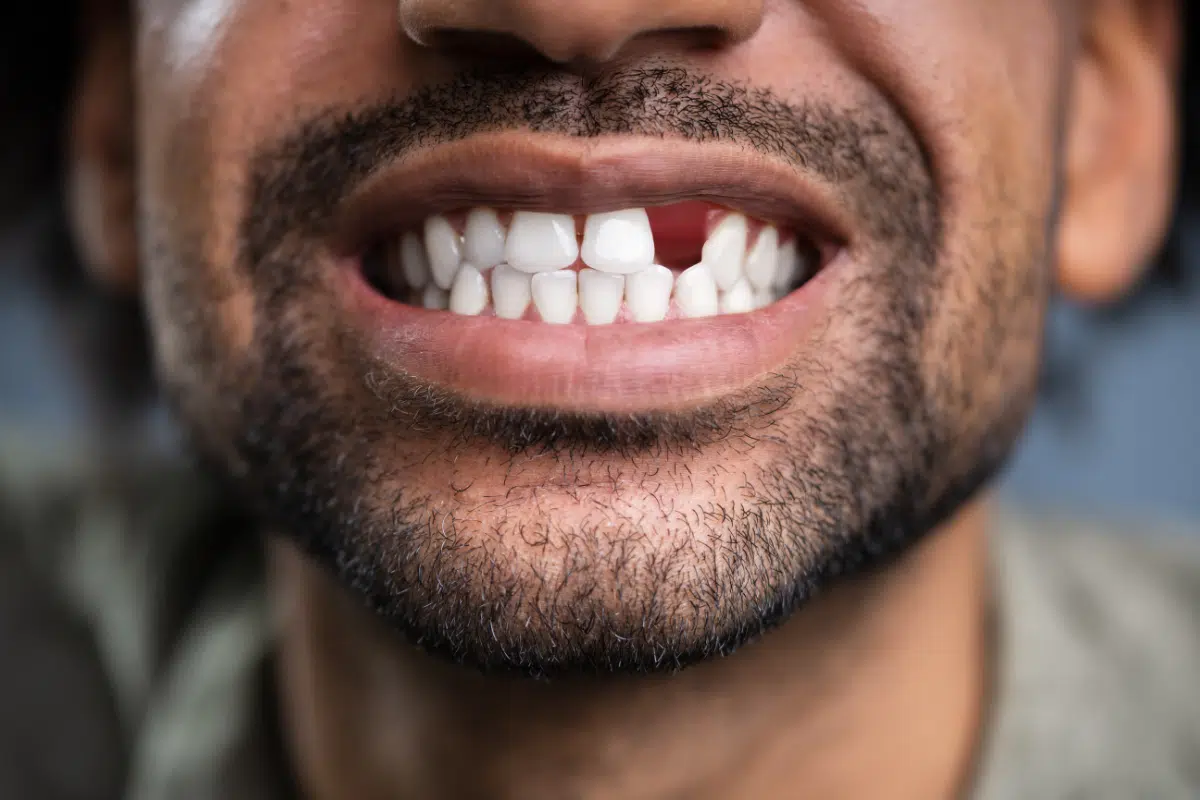


A missing tooth can feel like a small problem at first. You get used to chewing on the other side. You stop smiling as wide in photos. Life goes on. But your mouth does not stay the same while you wait. Bone starts to shrink, nearby teeth begin to shift, and small changes turn into bigger, harder problems. This is one reason so many patients ask our team about las vegas dental implants once they understand what is really happening under the surface.
This guide walks you through what happens when a missing tooth is left alone, why timing matters more than most people think, and what your replacement options look like side by side.
What Actually Happens When a Tooth Goes Missing
Your jawbone needs the pressure of chewing to stay strong. A tooth root sends that pressure into the bone every time you bite down. Once the tooth is gone, that signal stops.
Within the first year alone, the bone in that area can lose a noticeable amount of width and height. This process does not stop on its own. It continues year after year, slowly changing the shape of your jaw and even the look of your face over time.
Nearby teeth also start to drift into the open space. This can throw off your bite, make teeth harder to clean, and lead to new cavities or gum problems in areas that were healthy before.
The Hidden Cost of Waiting
Patients often tell us they are not in pain, so they assume there is no rush. Pain is not always the best warning sign here. Bone loss happens quietly, without any discomfort at all, which is exactly why it catches people off guard.
The longer you wait, the more the bone shrinks, and the more work may be needed later to rebuild it. A same day tooth replacement in year one can turn into a bone graft plus an implant in year three. Acting early usually means a simpler, shorter, and more predictable path back to a full smile.
Dental Implants Comparing to Other Options
Not every patient needs the same solution, and a good dentist should walk you through the choices rather than push one option. Here is a simple side by side look at the three most common ways to replace a missing tooth.
| Feature | Dental Implant | Dental Bridge | Partial Denture |
| Supports jawbone | Yes, mimics a natural tooth root | No | No |
| Affects neighboring teeth | No, stands on its own | Yes, teeth on either side are reshaped | Minimal |
| Typical lifespan | Can last decades with care | 10 to 15 years on average | 5 to 10 years, needs adjustments |
| Feel and function | Closest to a natural tooth | Fixed, but not root supported | Removable, some patients feel a bulk |
| Best for | Long term replacement of one or more teeth | Shorter term fix when bone grafting is not wanted | Multiple missing teeth, budget friendly start |
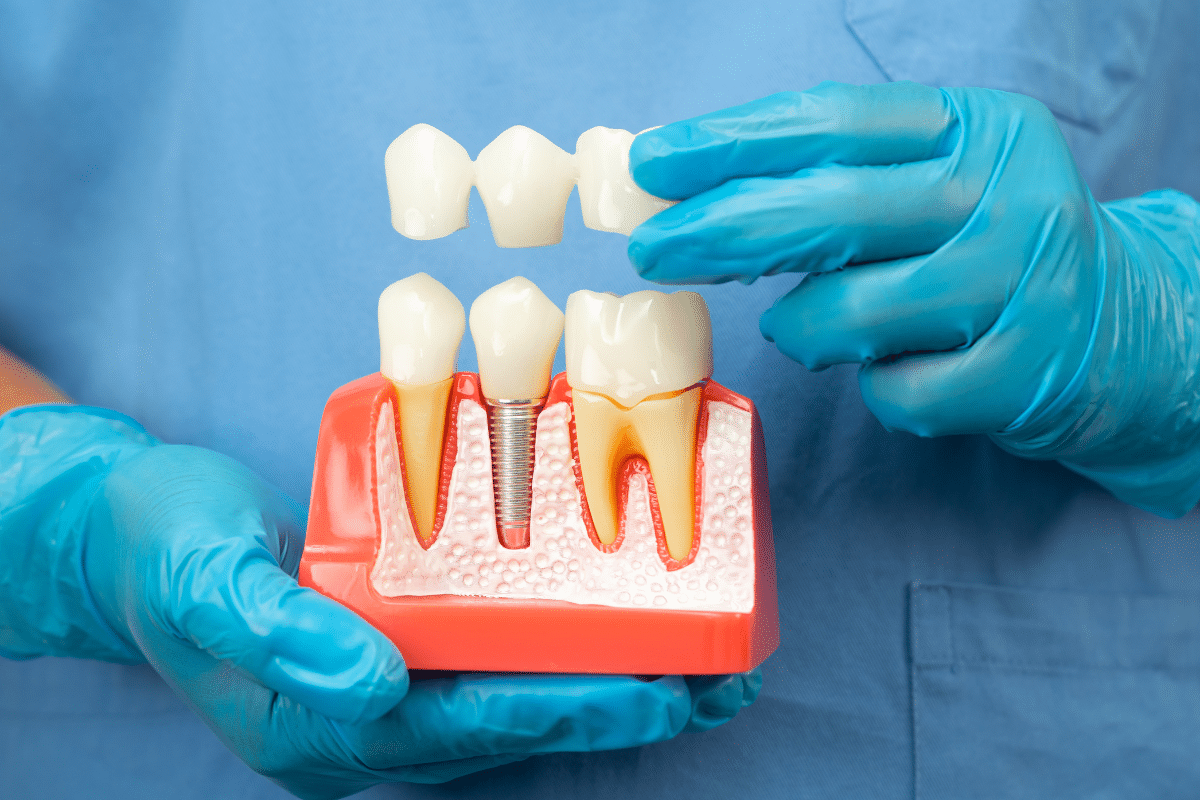
This is why so many patients researching las vegas dental implants find that the upfront planning pays off in fewer repeat visits down the road. An implant is placed directly into the jawbone, so it keeps sending that chewing signal your body needs to hold onto bone density.
Who Is a Good Candidate
Most healthy adults with enough bone left in the jaw are good candidates. If bone loss has already happened, a bone graft can often rebuild what is needed before the implant goes in. Gum health, certain medications, and habits like smoking can affect healing, so a full exam and a 3D scan give a clear picture before any treatment starts.
Age is rarely a limiting factor by itself. What matters more is the health of your gums, your jawbone, and your overall medical history.
Chronic conditions like diabetes can slow healing, but they do not automatically rule out treatment. Many patients with well managed health conditions go through the process successfully with a bit of extra planning from their dental team. The same goes for patients who grind their teeth at night or have a history of gum disease. A thorough exam simply helps your dentist build a plan around your specific situation instead of applying a one size fits all approach.
It also helps to know what a typical timeline looks like before you start. A first visit usually includes a review of your health history, a set of digital images, and a conversation about your goals. From there, most patients move into either a straightforward placement appointment or a short bone building step first, depending on what the scan shows. Knowing these stages ahead of time removes a lot of the guesswork that keeps people from starting in the first place.
Know Our Dentists
Every case is different, and the right plan starts with a dentist who takes time to listen. Our team at Summerlin Smiles includes:
Dr. Sarah Kitchen earned her biology degree from the University of Nevada, Reno, graduating on the Dean’s List, before completing her dental training at the UNLV School of Dental Medicine. She is a member of the American Academy of Cosmetic Dentistry and the American Dental Association, and patients often point to her friendly, easygoing chairside manner.
Dr. Meron Anghesom earned his dental degree from the University of California, San Francisco, School of Dentistry, bringing a strong foundation in general and restorative dentistry to the practice.
Together, this group gives patients looking for a trusted dentist las vegas families can rely on for both everyday checkups and more involved procedures like implants.
What Our Patients Say
Reviews from real patients often explain the experience better than any brochure can.
“The whole team at Summerlin Smiles made me feel comfortable from the moment I walked in. I had put off getting my missing tooth replaced for almost two years because I was nervous about the process. Dr. Kitchen walked me through every option and never made me feel rushed. The implant procedure was much easier than I expected, and the front desk staff worked with my insurance every step of the way. I finally feel confident smiling in photos again.”
★★★★★ — (Maria Sanchez)
Stories like this reflect the everyday, patient first approach this office brings to procedures big and small, not just the routine cleanings.
Local Considerations for Las Vegas Patients
Nevada’s dry climate can affect oral health more than people expect. Lower humidity tends to reduce saliva flow, and saliva plays a big role in protecting teeth and gums from decay. This makes routine care and prompt tooth replacement even more important for patients here. Anyone searching for a dentist las vegas patients trust for both prevention and restoration should look for a team that understands these local factors, not just general dental guidelines written for another climate.
Local patients also tend to ask about scheduling around Las Vegas work hours, including shift workers on the Strip. A flexible, dentist las vegas office that offers early or later appointments can make it much easier to finally handle a replacement you have been putting off.
Take the Next Step
Waiting rarely makes tooth replacement easier or cheaper. It usually means more bone loss, more shifting teeth, and a longer road back to a full, comfortable smile. If you have been putting off a decision about a missing tooth, a short conversation with a dentist can show you exactly where you stand and what your simplest path forward looks like.
For patients researching las vegas dental implants, the best next step is a full exam with digital imaging so you know your options with real numbers, not guesses. Schedule a visit with Summerlin Smiles to talk through your case, or learn more about dental implants in Las Vegas and the full range of services offered at the practice.
Frequently Asked Questions
1. How long does it take to recover after getting a tooth replaced with an implant?
Most patients return to normal activities within a few days. Full bone healing around the implant can take a few months before the final crown is placed.
2. Does replacing a missing tooth actually stop bone loss?
Yes. A root form replacement keeps sending pressure signals into the jaw, which helps preserve bone density in that area over time.
3. Is the procedure painful?
Most patients describe mild soreness afterward, similar to a tooth extraction, and it is usually managed well with over the counter pain relief.
4. What if I do not have enough bone left?
A bone graft can often rebuild the area first. This adds time to the process but still leads to a strong, stable result.
5. How do I know which replacement option is right for me?
A full exam, including a 3D scan, gives your dentist the information needed to recommend the option that fits your bone health, budget, and goals.
6. Can one missing tooth really affect my other teeth?
Yes. Neighboring teeth can shift into the open space over time, which changes your bite and can make cleaning harder.
7. Will my insurance help cover the cost?
Coverage varies by plan. Many offices, including this one, will review your benefits with you before treatment starts so there are no surprises.
8. How soon should I schedule a consultation after losing a tooth?
Sooner is generally better. Early evaluation gives you more options and often leads to a simpler treatment plan than waiting.