9525 W Russell Rd, Las Vegas, NV 89148, United States
When a Dental Implant Cannot Be Restored as Planned: Exploring the Next Treatment Steps



You planned for a new tooth. You waited through the healing. Then your dentist says the crown can’t go on the way you both expected. That news is hard to hear, and it brings a lot of questions.
Here is the calm version. A setback is not the end of the road. Most of these problems have a clear fix, and the right plan depends on what caused the issue. This guide explains the common reasons, your options, and how to decide.
Quick answer: An implant may not be restorable because it did not fuse with the bone, the bone or gum around it broke down, a part cracked or came loose, or the post sits at the wrong angle. Your dentist can often repair or replace a part, or remove the implant, let the area heal, and try again. If another implant is not a good choice, a bridge or implant-supported denture can fill the gap.
What “Cannot Be Restored” Really Means
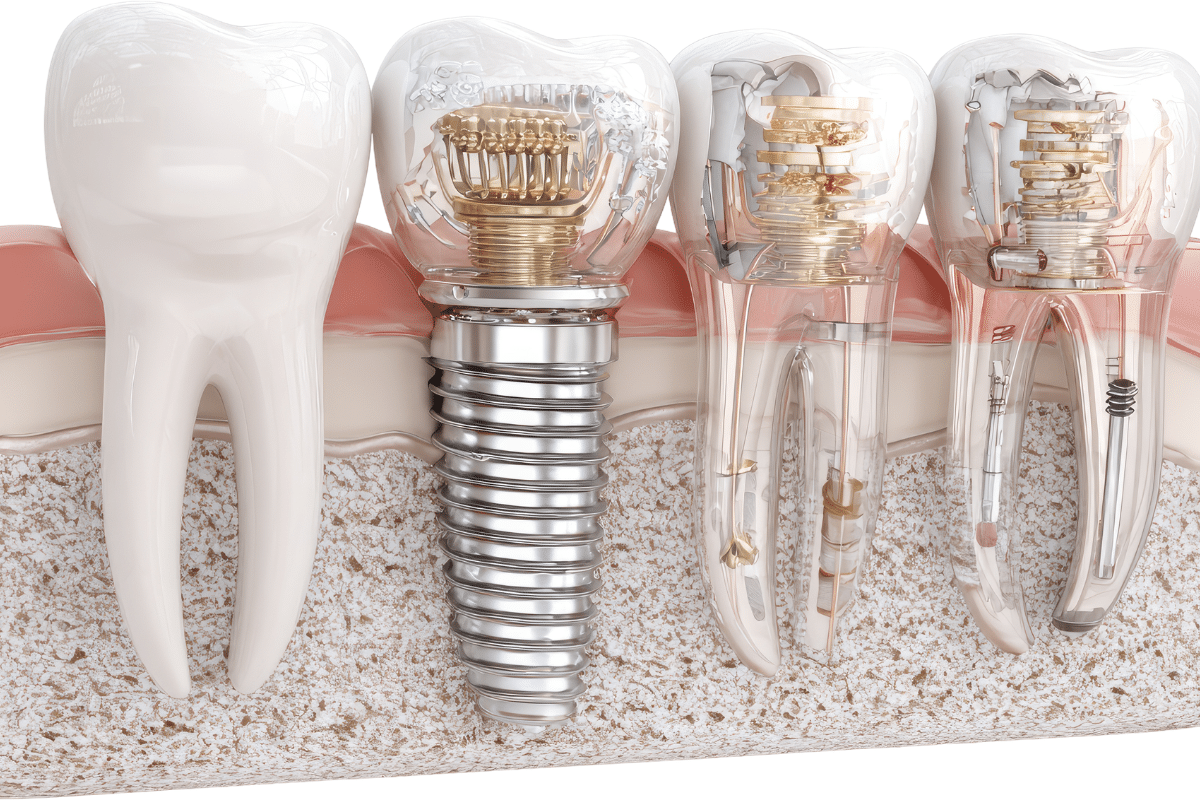
An implant has three parts. The post sits in the jawbone. The abutment connects to the post. The crown is the tooth you see. Restoring the implant means attaching the abutment and crown so you can chew and smile as usual.
Sometimes that final step can’t happen as planned. The problem may be small, like a worn part. It may also be bigger, like a post that never locked into the bone. Finding the cause comes first, because each cause points to a different path.
Why a Planned Restoration Can Stall
The Post Did Not Fuse With the Bone
A healthy implant bonds with the jawbone over a few months. This is called osseointegration. If the bond does not form, the post stays loose and can’t hold a crown.
Causes include poor blood flow, smoking, and weak bone. A post that moves when tested usually needs to come out so the site can heal.
Infection Around the Implant
Germs can collect along the gum line and spread to the bone. Dentists call this peri-implantitis. It leads to swelling, bleeding, and bone loss. Our implant page notes that poor oral hygiene and gum disease are the most common reasons for failure. The American Academy of Periodontology treats this condition as a serious gum problem that needs professional care.
Not Enough Bone or Gum
A post needs solid bone around it. If bone shrinks after a tooth is lost, or after an infection, the post may lack support. Thin gum tissue can also make it hard to shape a natural-looking crown. In some cases a bone graft helps rebuild the area before a new attempt.
A Cracked or Loose Part
Screws can loosen, and abutments or crowns can crack, often from teeth grinding or biting something hard. These are usually the easiest problems to fix. Your dentist can often swap the damaged part without touching the post.
The Post Sits at the Wrong Angle
If the post was placed too deep, too shallow, or tilted, the crown may not line up with your bite. Careful planning with X-rays and 3D scans lowers this risk. When it does happen, the fix depends on how far off the angle is.
Health and Habit Factors
Uncontrolled diabetes, smoking, and low bone density can slow healing. Dry mouth and teeth grinding add stress. Be open with your dentist about your health and habits. That honesty helps the team build a plan that works for you.
How Your Dentist Finds the Cause
Expect a clear process, with each step explained before it happens:
- A review of your health history and any medicines you take.
- A close look at the gums, the post, and the bite.
- X-rays or a 3D scan to check bone height, bone density, and post position.
- A gentle test to see whether the post is firm or loose.
- A plan that lays out your options, the timeline, and what each choice involves.
Ask for the plan in plain language. You should never feel rushed into a decision.
Your Treatment Options
Repair or Replace the Part
If the post is firm and healthy, a new abutment, screw, or crown may be all you need. This is the fastest path.
Heal, Then Restore
Sometimes the post is sound but the gum or bone needs more time. Your dentist may pause the process and recheck in a few weeks or months. Patience here often pays off.
Treat the Infection
Early gum infection around an implant can often be cleaned and controlled. Deeper infection may need more care, and a gum specialist may join your team.
Rebuild the Bone
A bone graft adds material to thin areas so a post can anchor well later. Summerlin Smiles refers patients to trusted specialists for grafting when it is needed. Healing usually takes several months before a new post is placed.
Remove and Replace the Implant
If the post is loose or infected beyond repair, it comes out. The site heals, and your dentist places a new post when the bone is ready. Many patients get a second implant that lasts. Our implant page lists a success rate of 96 to 98 percent for implants overall.
Choose Another Way to Replace the Tooth
Another implant is not right for everyone. A bridge, a snap-in implant denture, or a hybrid implant denture can restore chewing and appearance. Your dentist will explain what fits your bone, health, and goals.
Comparing the Main Paths
Use this chart to see how the choices differ. Your dentist will confirm the best fit after an exam.
| Option | Best When | Typical Timeline | Trade-Off |
| Replace a part (abutment or crown) | Post is firm and healthy | Short, often a few appointments | Won’t fix a failed post |
| Pause and recheck | Gum or bone needs more healing | Weeks to months | Requires patience |
| Infection treatment | Early gum or bone infection | Varies with severity | Needs strong home care after |
| Bone graft, then new implant | Bone is thin or lost | Several months of healing | Longer overall timeline |
| Remove and replace implant | Post is loose or failed | Healing first, then a new post | More steps than a repair |
| Bridge or implant denture | Another implant is not ideal | Depends on the type | Different feel from a single implant |
Planning Your Care in the Desert
Life here can make healing harder. Dry air and summer heat dry the mouth, and a dry mouth gives germs room to grow. Sip water all day, and ask your dentist about products that help with dry mouth. If you work late shifts on the Strip or travel often, plan your appointments around your healing schedule instead of squeezing them in.
The same goes for moving or traveling. If you had an implant placed elsewhere, bring your records and X-rays to your first appointment. That saves time and helps your dentist see what was done.
Patients who need follow-up care for dental implants las vegas can reach Summerlin Smiles at 9525 W Russell Rd, Las Vegas, NV 89148. The office is open Monday through Saturday, 9 a.m. to 4 p.m., and welcomes new patients and emergency appointments. The practice also lists financing options on its financing page, which can help you plan the cost of extra steps.
Meet Our Dentists
When an implant plan changes, you want a dentist who listens and explains. Here is who you will meet at Summerlin Smiles.
Dr. Meron Anghesom earned his Doctor of Dental Surgery degree from the University of California, San Francisco School of Dentistry in 2002. He has practiced in the Las Vegas Valley for over 10 years. His care includes implants, endodontics, and cosmetic dentistry, and he holds Invisalign certification. He puts comfort first and keeps up with new training so he can share current information about your teeth and your overall health. Patients dealing with a setback often value that kind of clear talk.
Dr. Sarah Kitchen was born and raised in Northern Nevada. She earned a biology degree from the University of Nevada, Reno, and then a Doctor of Dental Medicine degree from the UNLV School of Dental Medicine. She is a member of the American Academy of Cosmetic Dentistry and the American Dental Association. Her friendly, caring style helps anxious patients relax during exams and follow-up care.
What Our Patients Say
Reviews from real patients tell the story better than any marketing copy can.
“This place has the best dentists and make the entire dental procedure as comfortable as can be. I moved away from vegas and have had a nightmare finding a dentist even near as good as they were. I visited for a convention and squeezed in a appointment with them.”
★★★★★ (Deven S.)
Feedback like this points to the steady, comfort-first approach patients value most when a treatment plan gets complicated.
Frequently Asked Questions
1. Does a failed implant mean I did something wrong?
Not always. Healing depends on bone, health, and habits, and some problems happen even with good care. Your dentist will look for the cause so the next step is stronger.
2. How soon can a new implant go in after one is removed?
It depends on how your bone heals. Some sites are ready in a few months. Sites that need a bone graft take longer.
3. Will the removal hurt?
Your dentist numbs the area first. Mild soreness afterward is common and usually eases with over-the-counter pain relief, as your dentist directs.
4. Can a cracked crown be fixed without redoing the implant?
Often yes. If the post is firm, the crown or abutment can usually be replaced on its own.
5. Is a bone graft always needed?
No. It is only needed when there is not enough bone to hold a post. X-rays and scans show whether you need one.
6. What can I do to protect a second implant?
Brush twice a day with a soft brush, clean between teeth daily, skip smoking, and keep your cleanings and checkups. Tell your dentist if you grind your teeth.
7. Are there options if I can’t get another implant?
Yes. A bridge, a snap-in implant denture, or a hybrid implant denture can restore your bite and smile.
8. How do I know if my implant is in trouble?
Look for loose feeling, gum swelling, bleeding, pus, pain, or a bad taste. Call your dentist soon if you notice any of these.
Moving Forward With Confidence
A change in plan can feel like a loss, but it often leads to a stronger result. The key is finding the cause, hearing every option, and choosing a path that fits your health and life. The American Academy of Implant Dentistry offers helpful patient information if you want to read more on your own.
If you are weighing your options for las vegas dental implants, bring your questions and any past records. Then schedule a consultation with Summerlin Smiles. You can also read about our implant options or browse our full list of services. Take the next step toward a smile you can count on.