9525 W Russell Rd, Las Vegas, NV 89148, United States
Bleeding Around a Dental Implant During Brushing: Understanding the Possible Causes



You spit after brushing and see pink in the sink. The blood seems to come from the gum around your implant. That can feel alarming, especially after the time and care you put into your new tooth.
Take a breath. Bleeding has a cause, and most causes can be treated. This guide covers what is behind it, what you can try at home, and when to call your dentist.
Quick answer: Bleeding around an implant while brushing usually comes from gum swelling caused by plaque. A hard brush, a new flossing habit, a loose part, or a health issue can also play a part. A little blood for a few days after surgery is normal. Bleeding that keeps coming back, or shows up with pain, swelling, or a bad taste, needs a dental exam.
Why Gums Around an Implant Bleed
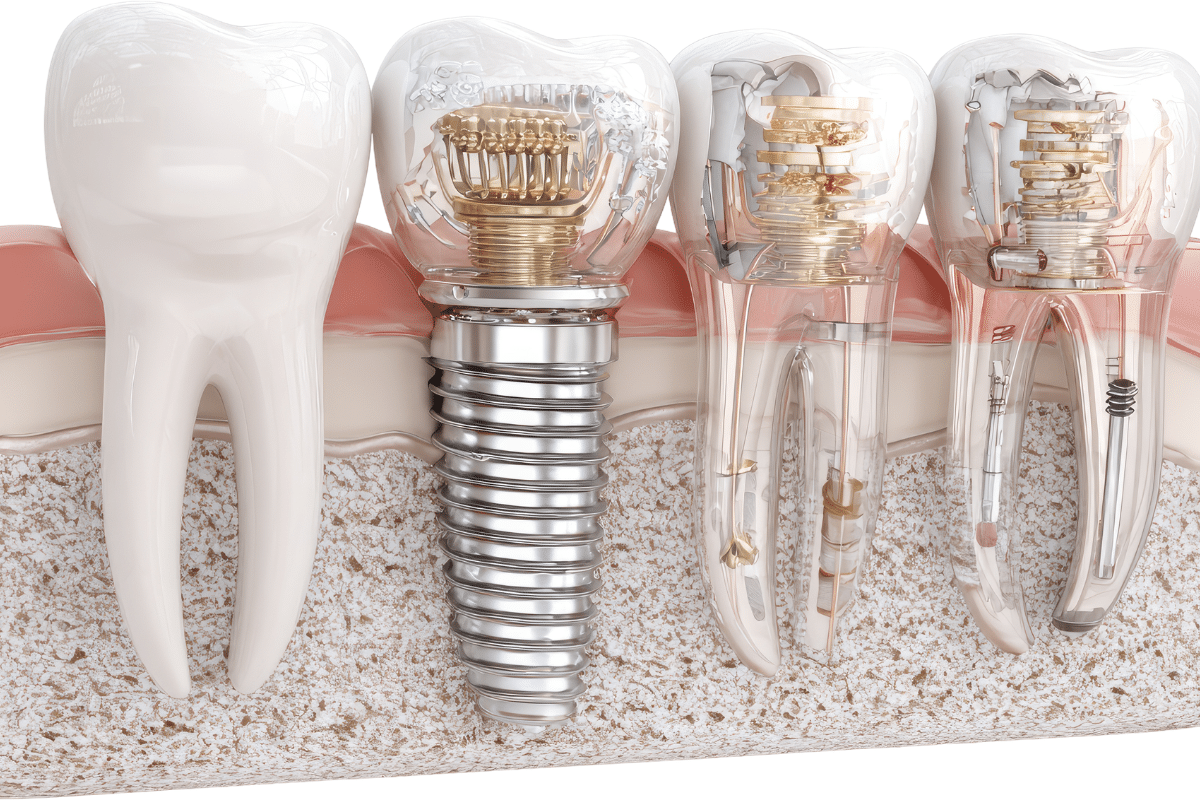
An implant is a small titanium post set into your jawbone. A crown sits on top and looks like a natural tooth. The post cannot decay, but the gum and bone around it can still get infected.
The gum around an implant also hugs the post less tightly than the gum around a natural tooth. Germs slip into that gap more easily. Healthy gums should not bleed during gentle brushing, so blood is a signal worth listening to.
Common Causes of Bleeding
Plaque Along the Gum Line
Plaque is a sticky film of germs. When it sits near the implant, the gum turns red, puffy, and tender. It bleeds easily. Dentists call this peri-implant mucositis.
There is no bone loss at this stage. The American Academy of Periodontology describes it as reversible with proper cleaning and care.
Infection That Reaches the Bone
If plaque stays in place, infection can spread deeper. This is called peri-implantitis. The bone around the post starts to break down.
Watch for bleeding, pus, a bad taste, bad breath, deeper gaps in the gum, or a feeling that the implant moves. This stage does not heal on its own. Early treatment gives you the best chance to save the implant.
Brushing Too Hard
A hard brush or heavy pressure scrapes tender gum tissue. The American Dental Association recommends a soft-bristled brush twice a day for two minutes. Hold the brush at a slight angle toward the gum line and use light, short strokes.
Normal Healing After Surgery
Light blood in your saliva is common for the first day or two after placement. Mild swelling can last a few days, and most people return to normal activities within about a week. Heavy bleeding, or bleeding that gets worse after the first few days, is not normal. Call the office.
A New Cleaning Habit
If you just started flossing or using a water flosser after a long break, your gums may bleed for a week or two. They should calm down as they get healthier. If the bleeding stays, get it checked.
A Loose or Poorly Fitting Part
A loose crown or abutment (the piece that connects the crown to the post) leaves tiny gaps. Food and germs collect there, and the gum gets irritated. You may notice a shift when you chew, a small gap, or a strange taste.
Health and Lifestyle Triggers
Gum disease history, uncontrolled diabetes, dry mouth, and low bone density can raise your risk. Blood thinners can make gums bleed more easily, so tell your dentist about every medicine you take.
Smoking is a tricky one. It cuts blood flow to the gums, which can hide bleeding. A smoker’s gums may look healthier than they are, and smoking is a known cause of implant problems.
How the Stages Differ
This chart shows how healthy gums compare with the two main problems around an implant.
| Healthy Gums | Early Inflammation (Mucositis) | Advanced Infection (Peri-implantitis) | |
| Bleeding when brushing | None or rare | Common | Common, may bleed on its own |
| Gum look | Pink and firm | Red and puffy | Red or purple, may pull back |
| Pain | None | Mild tenderness | Often little at first |
| Pus or bad taste | No | Rare | Possible |
| Bone loss | No | No | Yes |
| Can it reverse? | Not needed | Often, with better cleaning | Needs dental treatment |
| Best next step | Keep your routine | Schedule a cleaning and exam | See your dentist soon |
Caring for Your Implant in the Desert
Our dry air and summer heat dry out the mouth. Less saliva means more plaque, and more plaque means sore, bleeding gums. If you have dental implants, keeping your mouth moist is part of keeping them healthy.
Life here also makes routines hard. You might hike near Red Rock Canyon on a hot weekend, or work late shifts on the Strip and fall into bed without brushing. Small habits help:
- Sip water through the day, and carry a bottle in the car.
- Pack a travel toothbrush for long shifts or road trips.
- Chew sugar-free gum to boost saliva.
- Go easy on sugary energy drinks and alcohol.
Summerlin Smiles is at 9525 W Russell Rd in Las Vegas, and the office is open Monday through Saturday, 9 a.m. to 4 p.m. New patients and emergency appointments are welcome.
What You Can Do at Home Today
- Keep brushing. Skipping the area lets plaque grow and makes bleeding worse.
- Switch to a soft brush and use light pressure.
- Clean between your teeth once a day with floss, small interdental brushes, or a water flosser on a low setting.
- Rinse with warm salt water if your gums feel sore.
- Drink plenty of water and quit smoking if you can.
- Write down when the bleeding started and how often it happens. Your dentist will find this useful.
When to Call Your Dentist
Don’t wait if you notice any of these:
- Bleeding that does not slow after 15 to 20 minutes of firm pressure with clean gauze
- Pus, a bad taste, or a foul smell near the implant
- Swelling, pain, or fever
- A crown or implant that feels loose
- Bleeding that lasts more than a week even with good home care
What Happens During the Exam
Your dentist will look at the gum, gently measure the gap around the post, and take X-rays to check the bone. They will also check that the crown fits well and clean away plaque and hard buildup with tools made for implants.
If you have early inflammation, a deep cleaning and a better home routine often fix it. If infection has reached the bone, your dentist will explain the options and may refer you to a gum specialist. You will always hear the plan and the reason for it before treatment starts.
Know Our Dentists
Bleeding near an implant is easier to treat when you see a dentist who knows implants and takes time to explain what is going on. Here is who you will meet at Summerlin Smiles.
Dr. Meron Anghesom earned his Doctor of Dental Surgery degree from the University of California, San Francisco School of Dentistry in 2002. He has practiced in the Las Vegas Valley for over 10 years. His work includes implants, endodontics, and cosmetic care, and he is certified in Invisalign. Dr. Anghesom puts patient comfort first and shares clear, current information about how your teeth and gums connect to your overall health. That approach helps when you are worried about a symptom and want straight answers.
Dr. Sarah Kitchen grew up in Northern Nevada. She earned a biology degree from the University of Nevada, Reno, then a Doctor of Dental Medicine degree from the UNLV School of Dental Medicine. She is a member of the American Academy of Cosmetic Dentistry and the American Dental Association. Patients often mention her friendly, caring manner, which makes a gum exam feel easier.
What Our Patients Say
Reviews from real patients tell the story better than any marketing copy can.
“Love this place! The staff is friendly, helpful, honest, and awesome. Due to my crazy schedule, I have needed to have different professionals complete my appointments. The front office has always been patient and set me up with whichever hygienist and dentist would fit with my schedule. Wyatt (AKA – Lefty) gave me the most relaxing cleaning today. I actually thought I was going to fall asleep. Thanks y’all!”
★★★★★ (Elizabeth.M)
A calm, thorough cleaning is the kind of steady care that keeps the gum around an implant healthy for the long run.
Frequently Asked Questions
1. Is it normal for an implant to bleed when I brush?
Only in the first few days after surgery. After that, bleeding is a sign of irritation or infection and should be checked.
2. How long does bleeding last after implant surgery?
Light oozing usually fades in a day or two. If it is heavy, or it returns after stopping, call your dentist.
3. Can bleeding mean my implant is failing?
It can be an early warning of infection, but most cases are mild and treatable. Quick care lowers the risk of bone loss.
4. Should I stop brushing if the gum bleeds?
No. Keep brushing gently. Skipping the area lets plaque build up and makes the problem worse.
5. What kind of toothbrush works best?
A soft-bristled brush, manual or electric, works well. Add interdental brushes or floss made for implants for the tight spots.
6. Does a water flosser help?
Yes, many patients find it gentle and easy to use around implants. Start on a low setting so you don’t hurt the gum.
7. Does smoking affect gum bleeding around an implant?
Yes. Smoking raises the risk of infection and can hide early warning signs like bleeding.
8. How often should I get an implant checkup?
Most patients do well with a cleaning and exam every six months. Your dentist may suggest every three to four months if you have had gum problems.
Don’t Ignore the Blood
Bleeding when you brush is your gums asking for attention. Most of the time the fix is simple: softer brushing, cleaner gum lines, and a quick exam. Waiting is what turns a small problem into a bigger one. Patients looking into dental implants Las Vegas offices provide should know that good aftercare matters just as much as the surgery.
If your gums bleed, schedule a consultation with Summerlin Smiles. You can also read about our implant options browse our full list of services. Protect the implant you worked hard for.