9525 W Russell Rd, Las Vegas, NV 89148, United States
What Problems Can Develop When You Chew on Only One Side After Tooth Loss?



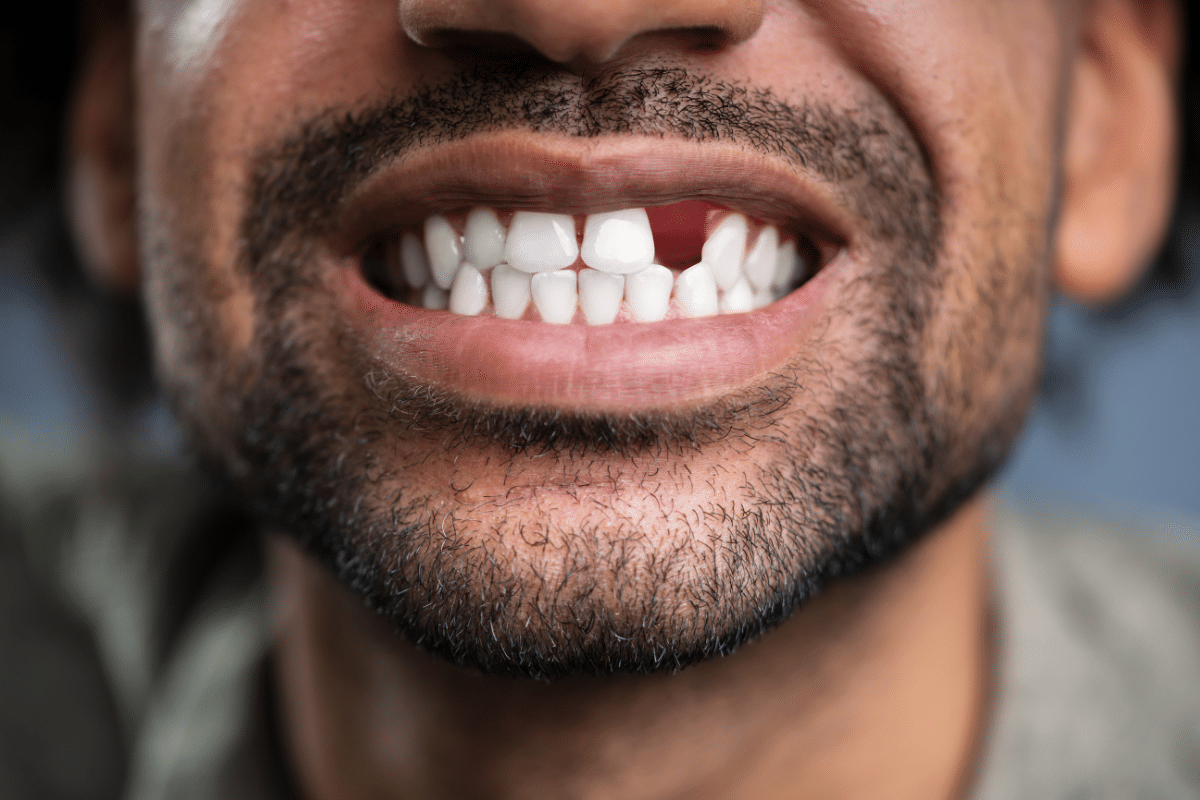
A missing tooth can seem like a small problem. You shift your food to the other side of your mouth and keep going. Within weeks, the habit feels normal. People who type dental implants las vegas into a search bar often start with one question: is a single gap really a big deal? It can be, because your teeth, gums, and jaw were built to share the work. This guide covers the problems one-sided chewing can cause, the signs to watch for, and the ways to fix a gap.
Why Both Sides of Your Mouth Matter
Your teeth work as a team. Back teeth crush and grind, and front teeth cut and tear. When one tooth is gone, the team loses a player. Most people respond the same way and chew on the side that still feels solid. That feels smart, but the strong side now carries a load meant for two.
The American Dental Association notes that gaps from missing teeth can let nearby teeth shift, which changes how your teeth meet. That change in your bite is what turns a small habit into a real health issue.
Problems That Can Develop From One-Sided Chewing
Extra Wear and Cracked Teeth
The working side takes double the force. Enamel wears down faster, and old fillings or crowns can chip or loosen. Weak teeth may crack. A cracked tooth can lead to a root canal or an extraction, which adds another gap to the one you started with.
Jaw Joint Pain and Headaches
Your jaw joints and chewing muscles work best in balance. When you chew on one side, those muscles stay tight while the other side goes quiet. Over time this can bring jaw clicking, soreness near the ear, tight temples, and tension headaches. Dentists call jaw joint trouble TMD, and uneven chewing can add to it.
Gum Disease and Decay on the Unused Side
Chewing helps clean your teeth, because food and your tongue scrub the surfaces as you eat. The side you avoid misses that scrubbing, so plaque and tartar build up faster. That raises the risk of cavities and gum disease, which can loosen teeth. Many people notice bleeding gums or bad breath on the quiet side first.
Shifting Teeth and Bite Changes
Teeth stay put because their neighbors and opposing teeth hold them in place. Remove one and the neighbors can tilt into the space. The tooth above or below the gap can slowly grow out toward it. Spaces open, food gets trapped, and your bite stops lining up. Each change makes the gap harder to fix later.
Bone Loss at the Gap
A tooth root keeps the jawbone active. Once the root is gone, the bone in that spot starts to shrink. The American Academy of Periodontology links tooth loss to jawbone shrinkage. Less bone can change how your face looks and can limit your replacement choices, since some options need enough bone to hold them.
Poor Chewing and a Narrow Diet
When you chew on one side, you may swallow bigger pieces. Many people also skip crunchy foods like raw vegetables, nuts, and steak. Over time the menu gets smaller, and so does the range of nutrients you get.
Warning Signs You Should Not Ignore
Check yourself against this list:
- Soreness or clicking in your jaw
- Teeth on one side that look flat or worn
- Frequent headaches or tight muscles near the temples
- Food packing into the gap or between nearby teeth
- Bleeding gums or bad breath on the side you avoid
- Teeth that feel loose or seem to have moved
- Foods you no longer eat because they are hard to chew
Two or more of these mean it is time for an exam.
How Tooth Replacement Options Compare
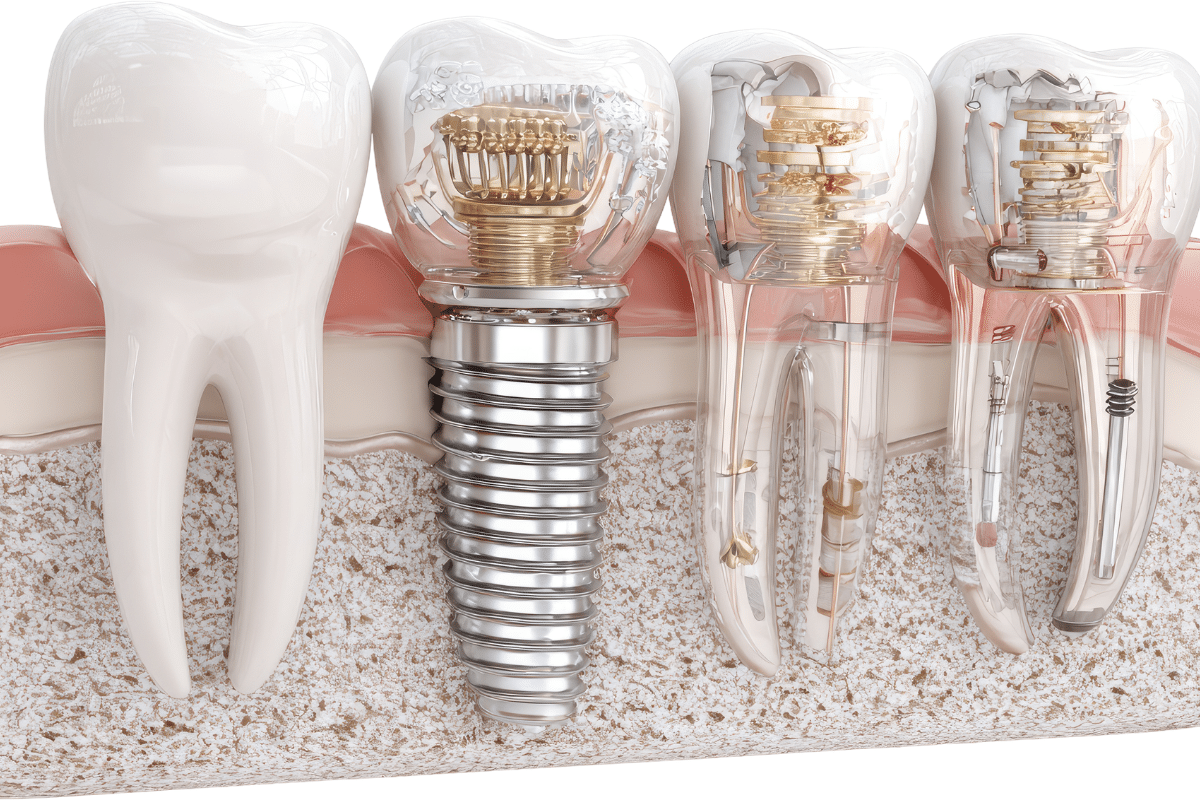
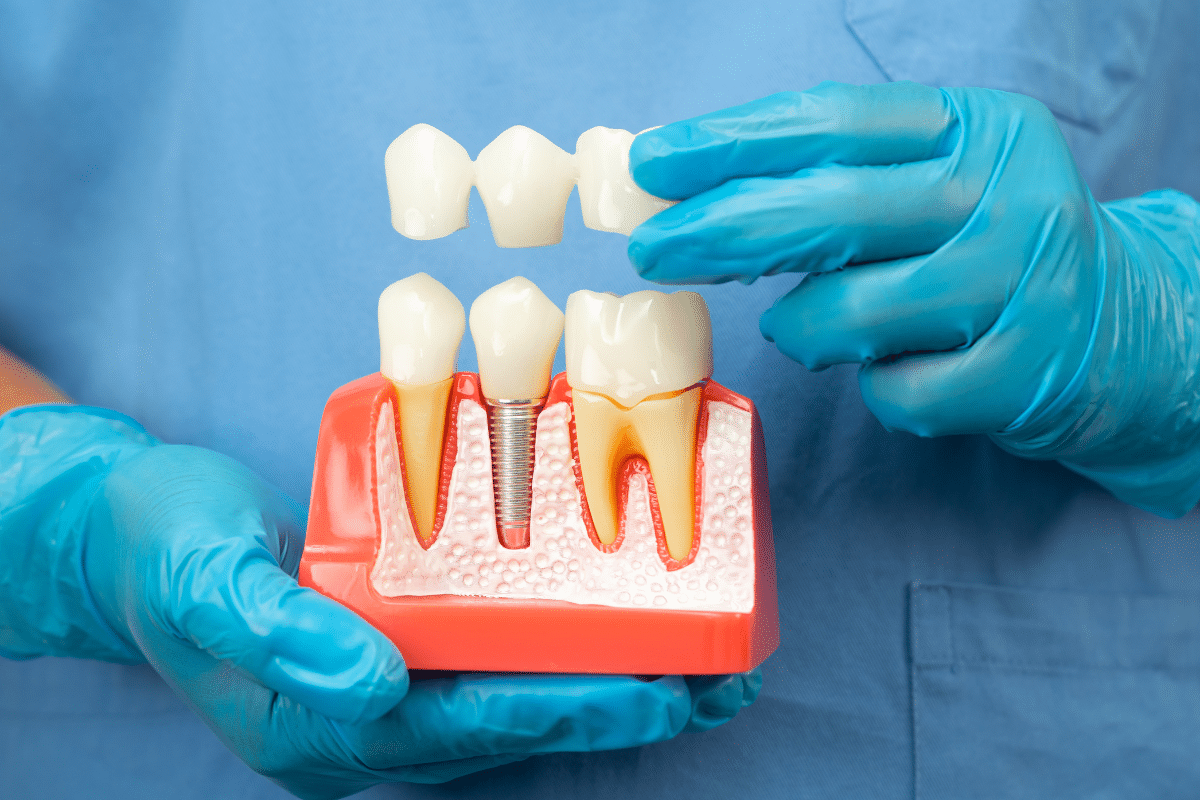
Not every gap needs the same fix. When you compare dental implants las vegas dentists place against a bridge or a partial denture, look at three things: bone health, upkeep, and cost. The table below sets the main choices side by side.
| Option | Chewing feel | Protects jawbone? | Typical lifespan | Things to know |
| Dental implant | Closest to a natural tooth | Yes, the post acts like a root | Many last 15 years or more | Needs healthy gums and enough bone |
| Bridge | Firm and fixed | No, bone under the gap still shrinks | Often 10 to 15 years | Neighboring teeth must be reshaped |
| Partial denture | Fair, can shift while eating | No | Often 5 to 10 years | Removable and needs daily cleaning |
| No replacement | Poor, pushes you to one side | No | Not applicable | The problems above can build |
No option fits everyone. An implant takes several months from start to finish because the bone must heal around the post. Costs vary from case to case, and an exam is the only way to get a clear number. Summerlin Smiles also lists financing partners, such as Cherry and Sunbit, on its website.
Local Patients Tips
Our dry desert air adds one more factor. Low humidity can dry your mouth, and a dry mouth has less saliva to wash away bacteria. If you already chew on one side, the neglected side faces even more risk. Drink water often, limit sugary sodas and sports drinks, and ask your dentist about a fluoride rinse if your mouth feels dry.
Typing dentist near me into your phone is a fine first step, but choose based on the quality of the exam, not only the distance. Summerlin Smiles is on West Russell Road and is open Monday through Saturday, 9 a.m. to 4 p.m., which helps if your weekdays are packed. Emergency appointments are welcome if a tooth cracks.
What You Can Do Right Now
- Chew slowly, and use both sides when it is comfortable.
- Brush both sides twice a day and floss around the gap.
- Cut hard foods into small pieces.
- Skip ice and hard candy.
- Book an exam soon, since bone and bite changes start early.
Know Our Dentists
Tooth loss care works best when you trust the person doing the exam. If you are sorting through every dentist Las Vegas has, start with training and experience. Here are the doctors at Summerlin Smiles.
Dr. Meron Anghesom earned his Doctor of Dental Surgery degree from the University of California, San Francisco School of Dentistry in 2002. He has practiced in the Las Vegas Valley for over 10 years. He is certified in Invisalign, and his work includes dental implants, root canal care, and cosmetic dentistry. He focuses on patient comfort and on explaining how your teeth connect to your overall health, which helps when you are deciding how to replace a tooth.
Dr. Sarah Kitchen grew up in Northern Nevada. She earned a biology degree from the University of Nevada, Reno, and a Doctor of Dental Medicine degree from the UNLV School of Dental Medicine. She is a member of the American Academy of Cosmetic Dentistry and the American Dental Association. Her friendly, caring style suits patients who feel nervous about dental visits.
What to Expect at a Consultation
A first visit is about getting answers. The dentist checks your teeth, gums, and bite, and takes X-rays to see the bone under the gap. You talk about symptoms like jaw pain or food trapping. Then you hear which options fit your mouth, how long each takes, and what each costs, so you can decide without pressure. If you feel anxious, ask about sedation.
Final Thoughts
Chewing on one side is a habit your body picks up to protect a sore spot. It still causes wear, jaw pain, gum disease, shifting teeth, and bone loss. The earlier you act, the more options you keep. An exam can show whether dental implants las vegas dentists place are right for your bone and gums, or whether a bridge or partial denture suits you better. Searching for a dentist near me is a good start, and the best choice is the office that explains your options clearly. Schedule a consultation with Summerlin Smiles on West Russell Road, and bring your questions about chewing, comfort, and cost.
Frequently Asked Questions
1. How long can I wait before a missing tooth causes problems?
Tooth shifting and bone changes can start within months. An early exam gives you more choices.
2. Is chewing on one side bad if nothing hurts?
Yes. Wear, plaque buildup, and gum trouble can grow without pain.
3. Can one-sided chewing cause jaw pain?
It can strain the muscles and joints on the working side. A dentist can check whether something else is the cause.
4. Does a missing back tooth matter as much as a front tooth?
Yes. Back teeth do most of the chewing, so losing one changes your bite quickly.
5. Will my other teeth really move?
Neighboring teeth can tilt into the gap, and the opposing tooth can grow toward it. The speed differs from person to person.
6. Is an implant procedure painful?
The area is numbed during treatment. Soreness afterward is usually manageable, and sedation is available for anxious patients.
7. What if I do not have enough bone for an implant?
A bone graft may help, or a bridge or partial denture may fit better. X-rays show which path makes sense.
8. Should I see a dentist if I have already gotten used to the gap?
Yes. Getting used to it can hide problems that an exam would catch.