Book Online
Understanding the Dental Crown Process: What Really Happens in the Chair



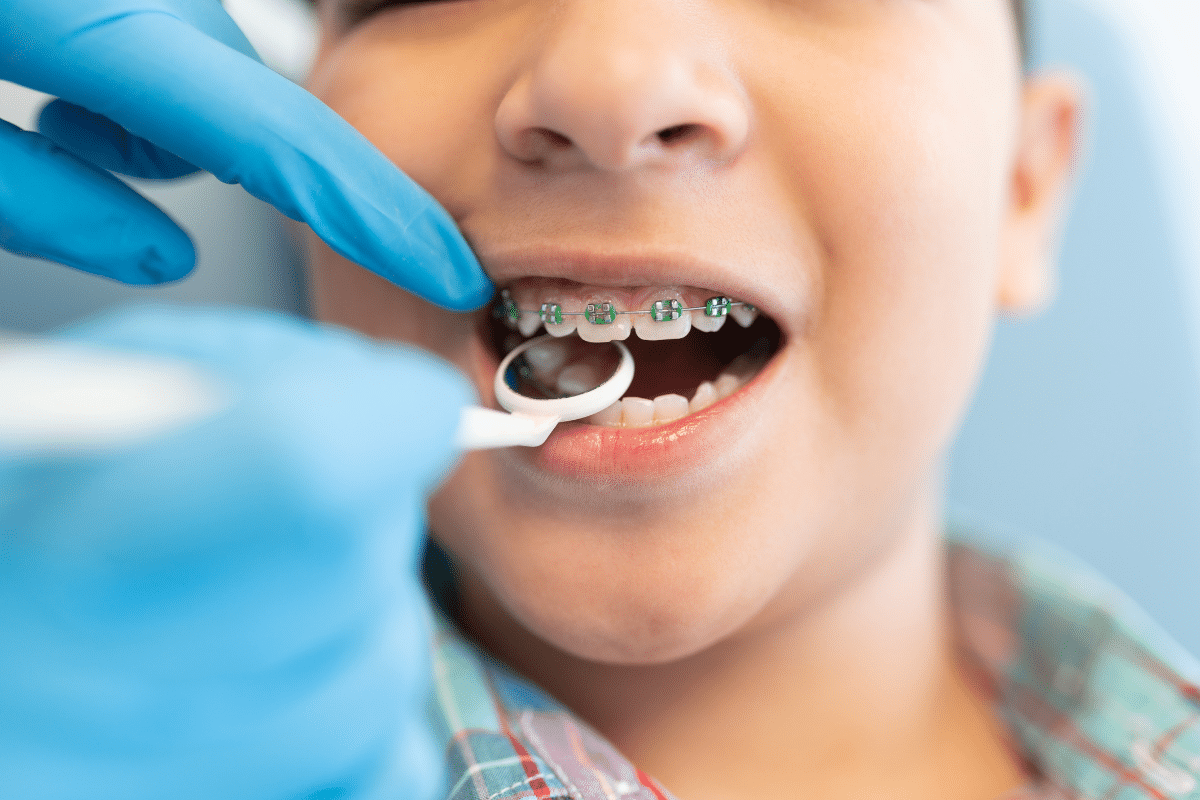
Getting a dental crown can feel scary if you don’t know what to expect. Many people walk into their dentist’s office with questions racing through their mind. Will it hurt? How long does it take? What exactly are they going to do to my tooth?
This guide walks you through every step of the crown procedure. You’ll learn what happens from the moment you sit in the dental chair to when you walk out with your new restoration. By the end, you’ll feel prepared and confident about your upcoming appointment.
Why You Might Need a Crown
Before we talk about the procedure itself, let’s cover why dentists recommend crowns in the first place.
A crown protects a damaged or weakened tooth. You might need one if you have:
- A large cavity that’s too big for a regular filling
- A cracked or broken tooth from injury or grinding
- A tooth that had root canal treatment
- Severe wear from years of chewing
- A tooth that’s misshapen or discolored
Your dentist examines your tooth and takes X-rays to decide if a crown is the right solution. They’ll explain why they recommend this treatment and answer any questions you have.
First Visit: Preparing Your Tooth
The initial appointment usually takes about 60 to 90 minutes. Here’s what happens step by step.
Getting Comfortable
Your dentist starts by numbing the area around your tooth. They use a topical gel first to numb the surface, then give you a local anesthetic injection. You might feel a small pinch, but after that, the area goes completely numb. Many patients find this part easier than they expected.
Reshaping the Tooth
Once you’re comfortable, the dentist reshapes your tooth to make room for the crown. They use a special drill to remove a small amount of enamel from all sides of the tooth. This might sound concerning, but the process is painless because of the numbing medication.
The amount removed depends on the type of crown material you’re getting. Metal crowns need less tooth structure removed than porcelain ones. Your dentist carefully shapes the tooth so the crown will fit perfectly and look natural.
Taking Impressions
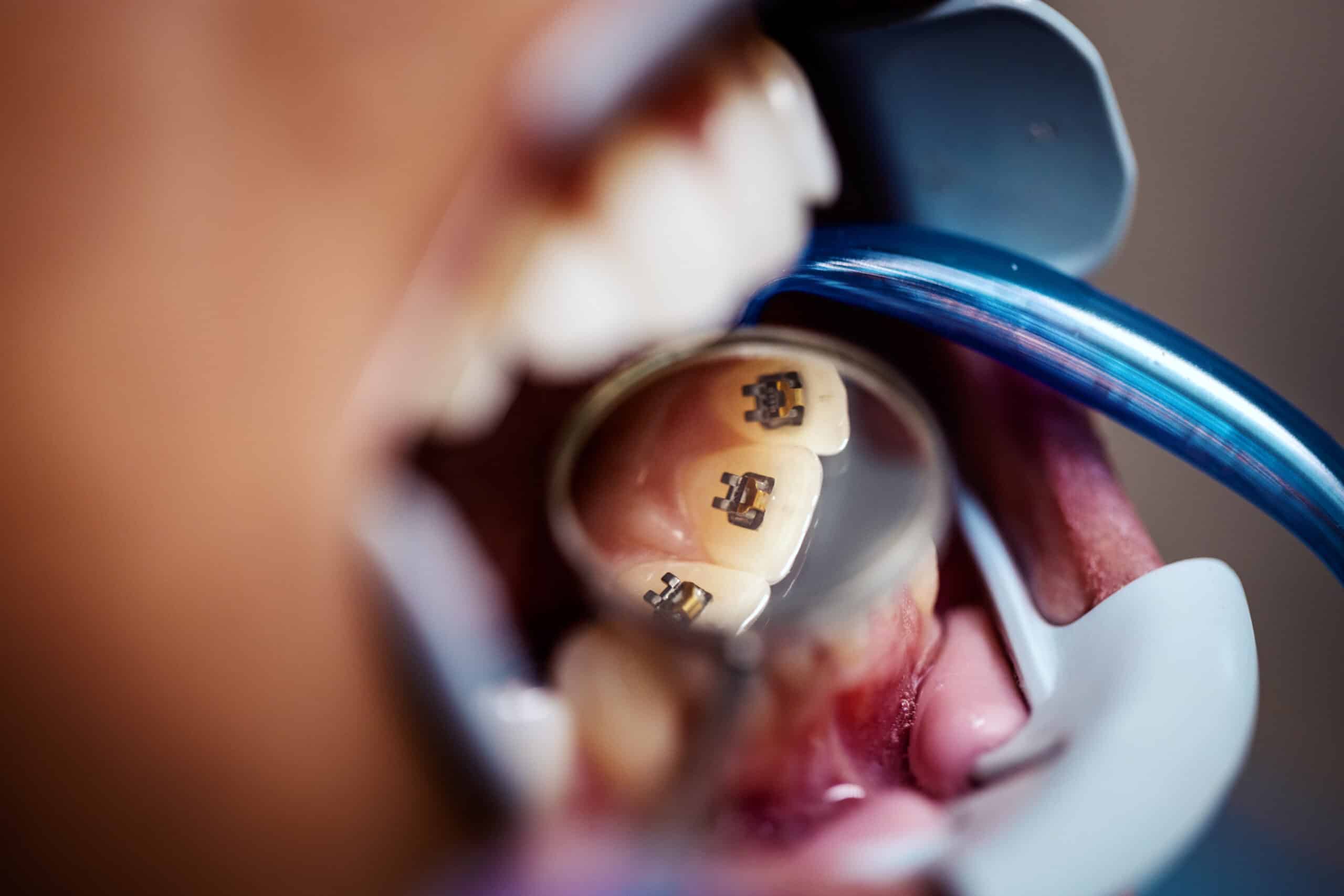
After shaping your tooth, the dentist takes impressions. This creates an exact model of your prepared tooth and the teeth around it.
Traditional impressions use a putty-like material that you bite into for a few minutes. Some offices use digital scanners instead. The scanner takes hundreds of photos inside your mouth to create a 3D model. This method is faster and more comfortable for most people. If you’re considering crowns las vegas dental practices have embraced this technology to make the process easier for patients.
The lab uses these impressions to craft your permanent crown. They make sure it matches the size, shape, and color of your natural teeth.
Placing a Temporary Crown
You can’t leave the office with an exposed, shaped tooth. Your dentist places a temporary crown to protect it while the lab makes your permanent one.
The temporary crown is made of acrylic or composite material. It’s cemented with temporary adhesive that’s strong enough to stay in place but easy to remove later. Your dentist will remind you to be gentle when eating and to avoid sticky foods that might pull it off.
Between Appointments: Taking Care of Your Temporary
You’ll wear your temporary crown for about two to three weeks. During this time, follow these simple tips:
- Brush gently around the temporary crown
- Floss carefully by pulling the floss out from the side instead of lifting it up
- Avoid chewing hard foods on that side
- Stay away from sticky candy or gum
- Call your dentist right away if the temporary comes loose or falls off
Most people adjust to their temporary crown within a day or two. If you have sensitivity to hot or cold foods, that’s normal and should improve once you get your permanent crown.
Second Visit: Placing Your Permanent Crown
Your final appointment is usually shorter than the first one, taking about 30 to 45 minutes.
Removing the Temporary
The dentist starts by gently removing your temporary crown. They clean off all the temporary cement from your tooth. This doesn’t hurt since they’re not touching the sensitive parts of your tooth.
Checking the Fit
Next, they place your permanent crown on your tooth to check the fit. They look at several things:
- Does it fit snugly on the prepared tooth?
- Does your bite feel right when you close your teeth?
- Are there any gaps between the crown and your gum line?
- Does the color match your other teeth?
You’ll bite down on special paper that marks where your teeth touch. The dentist makes small adjustments if needed to get your bite just right. This might take a few tries, but it’s worth the time to ensure comfort.
Cementing the Crown
Once everything fits perfectly, the dentist permanently cements the crown in place. They use a strong dental adhesive that bonds the crown to your tooth structure.
The process goes like this:
- The dentist cleans and dries your prepared tooth
- They apply the cement to the inside of the crown
- They place the crown firmly on your tooth
- They remove any excess cement from around the edges
- They use a special light to help the cement harden faster
You’ll need to hold still while the cement sets. This usually takes just a few minutes.
Final Check
After the cement hardens, your dentist does one last check of your bite. They make sure everything feels comfortable and natural. They’ll ask you to bite down and move your jaw around to confirm the crown doesn’t interfere with your normal movements.
What to Expect After Getting Your Crown
Most people feel fine right after their crown placement. Your mouth might feel different for a day or two as you get used to the new restoration.
Some temporary sensitivity is normal, especially to hot and cold foods. This should go away within a few weeks. If it doesn’t, call your dental office.
Your bite might feel slightly off at first. Give it a few days. If it still feels high or uncomfortable after a week, schedule a quick adjustment appointment.
How Long Do Crowns Last?
With good care, most crowns last between 10 and 15 years. Some last even longer. The lifespan depends on several factors:
- The material used for the crown
- Where the crown is located in your mouth
- Your oral hygiene habits
- Whether you grind your teeth at night
- The foods you eat regularly
Choosing the right provider makes a big difference in how long your restoration lasts. When researching crowns las vegas residents should look for dental offices that use quality materials and have experienced technicians who craft each restoration with precision.
Caring for Your New Crown
Taking care of your crown is just like caring for your natural teeth. Follow these daily habits:
- Brush twice a day with fluoride toothpaste
- Floss daily around the crown
- Use mouthwash to reduce bacteria
- Visit your dentist every six months for cleanings
- Avoid chewing ice or hard candy
- Wear a night guard if you grind your teeth
Your crown can still get cavities around the edges where it meets your natural tooth. Good oral hygiene prevents this and helps your crown last as long as possible.
Different Types of Crown Materials
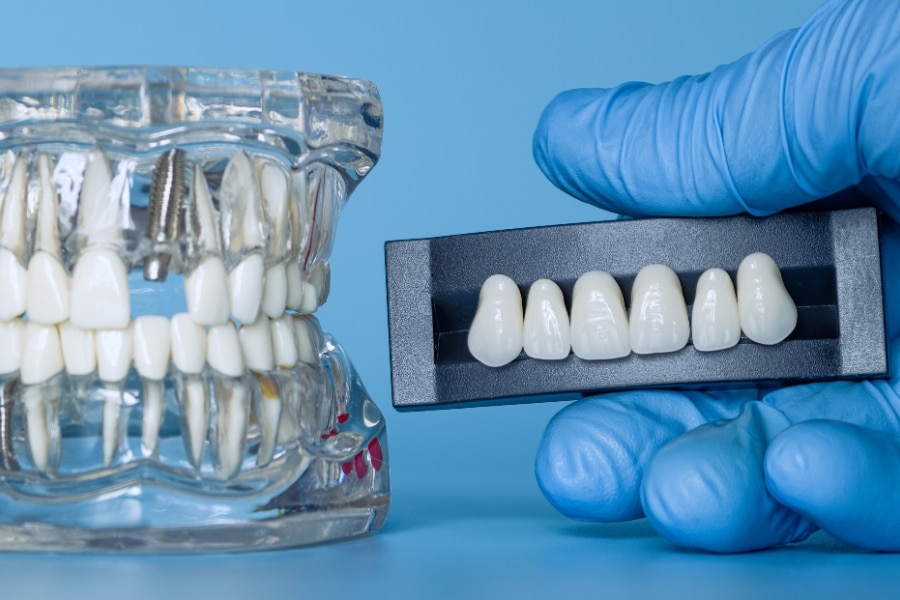
Your dentist might offer several crown materials. Each has benefits:
Porcelain crowns look the most natural and work great for front teeth. They match the color of your other teeth perfectly.
Ceramic crowns are similar to porcelain but slightly stronger. They’re also a good choice for visible teeth.
Metal crowns (gold or silver alloy) are extremely durable and rarely break. They work best for back teeth where strength matters more than appearance.
Porcelain-fused-to-metal crowns combine strength and natural appearance. They have a metal interior for durability and a porcelain exterior for aesthetics.
Your dentist recommends the best material based on which tooth needs the crown and your personal preferences. Many providers offering crowns las vegas patients can choose from now also include newer materials like zirconia, which offers excellent strength and a natural look.
Also Read: How Long Do Dental Crowns Last? Signs It’s Time for a Replacement
Frequently Asked Questions
1. How much does a dental crown cost?
Costs vary based on the material and location, but typically range from $800 to $2,500 per crown. Dental insurance often covers 50% of the cost if the crown is medically necessary.
2. Does getting a crown hurt?
The procedure itself doesn’t hurt because of local anesthesia. You might feel some pressure or vibration, but no pain. Mild soreness afterward is normal and goes away quickly.
3. Can I eat normally with a crown?
Yes, once your permanent crown is placed and the cement fully sets, you can eat all your favorite foods. Avoid extremely hard items that could crack any tooth.
4. What if my crown falls off?
Call your dentist immediately. Keep the crown in a safe place and avoid chewing on that tooth. Your dentist can often recement the same crown if you come in quickly.
5. Are there alternatives to crowns?
Sometimes, depending on the damage. Large fillings, onlays, or veneers might work for minor issues. Your dentist discusses all options with you.
6. How soon can I eat after crown placement?
You can eat as soon as the numbness wears off, usually within two to three hours. Start with soft foods if you’re unsure.
7. Will my crown look natural?
Modern crowns look incredibly natural. Your dentist matches the color, shape, and size to your existing teeth. Most people can’t tell the difference.
8. Do I need special toothpaste for my crown?
No, regular fluoride toothpaste works perfectly. Avoid whitening toothpaste right after placement, as it won’t change the crown’s color but might make it stand out if your other teeth get whiter.
Conclusion
Getting a crown is a common procedure that millions of people have each year. The process is straightforward, and the results protect your tooth for many years to come.
If you need dental restoration work, dental crowns las vegas providers offer advanced technology and skilled care. Many offices use digital impressions, same-day crowns, and comfortable sedation options to make your experience as smooth as possible. Don’t let fear or uncertainty stop you from getting the dental care you need. A damaged tooth only gets worse over time. Crowns prevent further damage and restore your ability to eat, speak, and smile with confidence.
Ready to take the next step? Contact a local dental office to discuss your options. Most practices offer free consultations where you can ask questions and learn about the specific process at that office. Take time to schedule an consultation with a dentist who makes you feel comfortable and answers all your concerns. Your smile is worth the investment.