Request An Appointment
How Crowns Support Bite Alignment and Oral Function: A Dentist Guide



When a tooth gets damaged or weakened, it affects more than just your smile. Your entire bite pattern can shift, leading to jaw pain, chewing problems, and even headaches. Dental crowns offer a solution that goes beyond fixing broken teeth. They help restore proper bite alignment and bring back normal oral function.
What Are Dental Crowns?
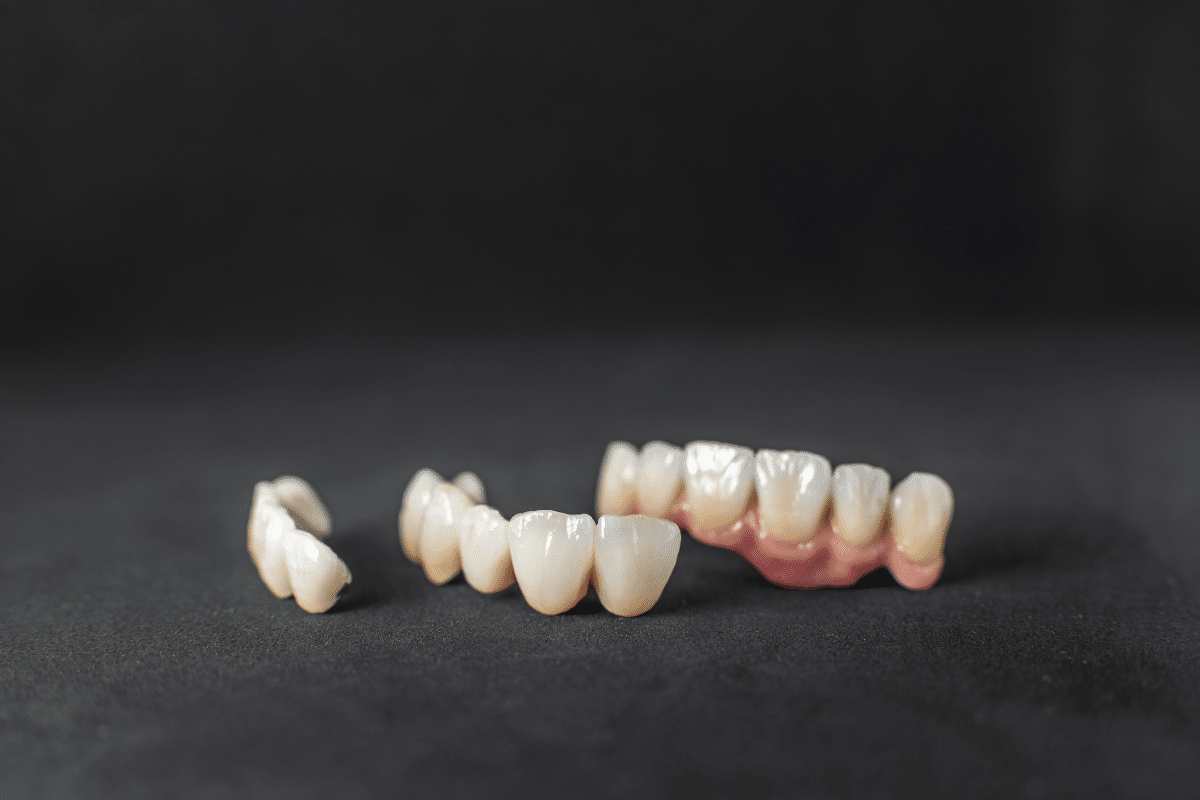
Dental crowns, sometimes called caps, are custom-made coverings placed over damaged or decayed teeth. They restore the tooth’s shape, size, strength, and appearance. Crowns are typically made from durable materials like porcelain, ceramic, or metal alloys. They are designed to fit snugly over the tooth and integrate seamlessly with surrounding teeth.
If you are searching for crowns Las Vegas, dental clinics provide a range of options to ensure both functional and aesthetic needs are met.
Understanding Bite Alignment
Your bite is how your upper and lower teeth come together when you close your mouth. A healthy bite means your teeth fit together smoothly without any extra pressure on specific spots. When one tooth is shorter, cracked, or missing structure, your jaw compensates by shifting. This creates an uneven bite that puts stress on your jaw joints and other teeth.
Over time, a misaligned bite can cause tooth wear, muscle tension, and discomfort that spreads to your neck and shoulders. That’s where crowns come in. They rebuild the tooth to its proper height and shape, helping your bite return to its natural position.
When teeth are misaligned, it can lead to:
- Jaw pain or discomfort
- Difficulty chewing or biting
- Excessive wear on certain teeth
- Headaches and facial tension
Correcting bite alignment is essential for long-term oral health, and dental crowns are one of the most effective tools to achieve this.
How Crowns Help Restore Bite Alignment
When a tooth is damaged, it can cause surrounding teeth to shift. This shift can disturb the balance of your bite, leading to uneven pressure during chewing. Dental crowns address these issues by:
- Rebuilding Tooth Structure
Crowns restore the original shape and height of the damaged tooth, helping your upper and lower teeth meet correctly.
- Even Distribution of Pressure
By capping a weak tooth, crowns prevent uneven forces that can damage adjacent teeth and strain your jaw.
- Preventing Further Misalignment
Filling the gap caused by a missing or broken tooth stops surrounding teeth from shifting, which is critical for long-term bite stability.
- Enhancing Chewing Efficiency
With crowns, patients can chew food more effectively without discomfort or strain, supporting overall digestion and nutrition.
Dental professionals often recommend dental crowns Las Vegas for patients with significant wear or misalignment issues, ensuring functional improvement alongside cosmetic restoration.
Benefits for Long-Term Oral Health
Crowns protect weak teeth from further damage. When a tooth has a large filling or root canal treatment, it becomes brittle. A crown holds everything together and spreads chewing forces evenly across the tooth surface.
This protection extends to your other teeth too. When your bite is aligned correctly, no single tooth bears too much pressure. Your jaw muscles work efficiently without strain. You can chew food thoroughly, which helps with digestion and nutrition.
Crowns also maintain the spacing between teeth. Without proper support, neighboring teeth can drift into gaps or tilt. This creates new alignment problems that might need braces or other treatments later. A well-fitted crown keeps everything in its proper place.
When to Consider a Crown
You might need a crown if you have a tooth that’s cracked, heavily decayed, or weakened after a root canal. Some people get crowns to fix teeth worn down from grinding. Others need them to replace old, failing fillings.
If you notice sensitivity when biting, pain in your jaw, or difficulty chewing on one side, these could be signs of bite problems. A dentist near me can examine your teeth and determine if a crown would help restore your bite alignment.
Don’t wait for small problems to become big ones. Early treatment with crowns can prevent the need for more complex procedures down the road.
Types of Crowns and Materials
Crowns come in different materials, each with specific benefits. Porcelain crowns look natural and work well for front teeth. Metal crowns are incredibly strong and ideal for back molars that handle heavy chewing. Porcelain-fused-to-metal combines strength and appearance.
Your dentist will recommend the best option based on which tooth needs the crown, your bite pattern, and your budget. Modern crowns las vegas dental offices offer same-day crowns using advanced milling technology, which means you can get your restoration in just one visit.
The Treatment Process
Getting a crown usually takes two visits if you’re getting a traditional crown. During the first appointment, your dentist prepares the tooth and places a temporary crown. The permanent crown gets made in a lab based on your impressions. At the second visit, the temporary comes off and the permanent crown gets cemented in place.
Your dentist will check your bite carefully before finalizing the crown. You’ll bite down on special paper that shows where your teeth make contact. Small adjustments ensure the crown fits your bite perfectly. This step is critical for preventing future problems.
Maintaining Your Crown
Crowns can last 10 to 15 years or longer with proper care. Brush twice daily and floss around the crown just like your natural teeth. Regular dental checkups help catch any issues early.
Avoid chewing ice, hard candy, or other objects that could crack the crown. If you grind your teeth at night, ask your dentist about a night guard to protect your crown and other teeth.
Most Asked FAQs: Dental Crowns
1. How long does it take to get used to a new crown?
Most people adjust within a few days. Your bite should feel normal and comfortable. If something feels off after a week, contact your dentist for an adjustment.
2. Can a crown fix my TMJ problems?
If your TMJ issues stem from bite misalignment, a properly fitted crown can help. Your dentist will need to evaluate your specific situation.
3. Will my insurance cover crowns?
Many dental insurance plans cover part of the cost for crowns, especially when they’re medically necessary. Check with your provider for details.
4. Are crowns painful to get?
The procedure is done under local anesthesia, so you won’t feel pain during treatment. Some sensitivity afterward is normal but goes away quickly.
5. What happens if my crown falls off?
Call your dentist right away. Keep the crown safe and avoid chewing on that side until it can be re-cemented.
6. Can I get a crown on a tooth with gum disease?
Your dentist needs to treat the gum disease first. Healthy gums are essential for crown success.
7. How do I know if I need a crown or just a filling?
Your dentist will assess the amount of damage. Large areas of decay or structural weakness typically need crowns for adequate support.
Conclusion
Dental crowns are more than cosmetic fixes—they play a crucial role in supporting bite alignment and overall oral function. From protecting damaged teeth to improving chewing and speech, crowns enhance both the health and efficiency of your mouth. Choosing the right crown and an experienced dentist ensures lasting results that support your dental well-being.
If you are considering a crown, don’t wait until discomfort or misalignment worsens. Consult a trusted dental professional today. Search for crowns Las Vegas or dental crowns Las Vegas to find experienced dentists near Las Vegas location and take the first step toward a healthier bite.