9525 W Russell Rd, Las Vegas, NV 89148, United States
How Should You Store Your Dentures When You Are Not Wearing Them?



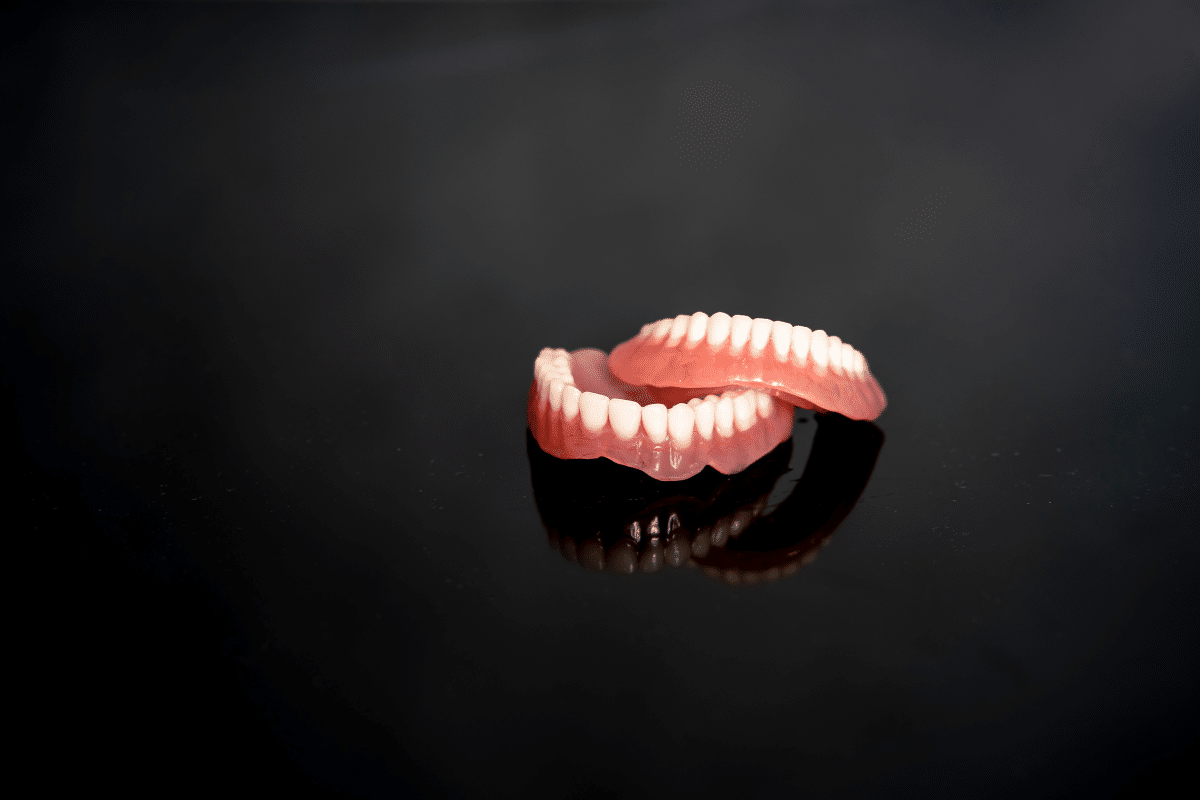
Taking care of your dentures does not stop when you take them out at night. What you do next matters just as much as the fit and cleaning routine you already follow. Many patients ask this simple question after their first few weeks of wearing a new set: where should dentures go when they are not in your mouth? Getting proper guidance on dentures makes the difference between a denture that lasts for years and one that warps, cracks, or grows bacteria. This guide walks through the right storage habits, common mistakes, and when it is time to call your dental team.
Why Storage Matters More Than You Think
Dentures are made from acrylic resin or a mix of resin and metal. This material needs moisture to hold its shape. If you leave your dentures out on a napkin or countertop overnight, they can dry out and warp within hours. Once that happens, the fit changes, and a denture that used to feel snug can start rubbing your gums or slipping while you talk.
Bacteria also build up fast on any surface that touches your mouth. Saliva, food particles, and plaque cling to the denture base even after a rinse. Storing them the wrong way gives germs a place to multiply overnight, which can lead to bad breath, gum irritation, or a fungal infection called denture stomatitis.
The Right Way to Store Dentures Overnight
Most dentists agree that dentures should stay moist at all times when they are out of your mouth. Here is a simple nightly routine that works for most patients.
- Rinse your dentures under warm (not hot) water to remove loose food.
- Brush them gently with a soft denture brush and a cleaner made for dentures, not regular toothpaste, which can be too abrasive.
- Place them in a denture cup or container filled with water or a denture-soaking solution.
- Keep the container somewhere your dentures will not get knocked over or lost, such as a bathroom shelf.
- Rinse them again in the morning before putting them back in.
Hot water can warp the plastic base, so always stick to room temperature or slightly warm water. And skip any homemade solution with bleach or vinegar unless your dentist has told you it is safe for your specific denture type.
Wet Storage vs Dry Storage: What’s Better?
This is one of the most common questions we hear at our practice. The short answer is that wet storage almost always wins. Here is a quick comparison to show why.
| Storage Method | What Happens | Recommended? |
| Water (plain, room temperature) | Keeps shape, safe for daily use | Yes |
| Denture-soaking solution | Cleans and keeps shape | Yes, a few nights a week |
| Dry storage (open air) | Warps and cracks the base | No |
| Hot water | Can melt or distort acrylic | No |
| Tissue or paper towel | Dries out fast, easy to lose or throw away | No |
Dry storage feels convenient, but it shortens the life of your denture and can cause a fit problem that shows up weeks later. A little water each night protects your investment.
Common Mistakes That Damage Dentures
A few habits show up again and again in patients who come in for repairs. First, using regular toothpaste is rough on the denture surface and creates tiny scratches where bacteria can hide. Second, wrapping dentures in a napkin and setting them on a tray during a meal out. This is one of the top reasons dentures get thrown away by accident. Third, forgetting to soak them at all and leaving them dry overnight out of habit or a busy schedule. If you have questions about which cleaning products are safe, our team that provides dentures las vegas what actually patients rely on for repairs and adjustments can walk you through the right products for your specific set.
Cleaning Your Dentures Before Storage
Cleaning comes before storage, not after. A quick rinse is not enough to remove the film that builds up during the day. Use a soft-bristled brush made for dentures and clean every surface, including the parts that touch your gums. Soak once a day in a cleaner designed for dentures to loosen buildup that brushing alone misses. If you drop your denture while cleaning it, fill the sink with water first or clean over a folded towel. A hard countertop can crack the base if the denture falls even from a short height.
Signs Your Dentures Need a Professional Check
Storage habits protect your dentures, but they are not a substitute for regular checkups. Watch for these warning signs between visits.
- The fit feels loose or you notice more slipping than before
- Sore spots or redness on your gums that were not there before
- Cracks, chips, or discoloration on the denture surface
- A smell that does not go away after cleaning
- Trouble chewing certain foods you used to eat without a problem
Any of these signs are worth a call to a las vegas dentist who can check the fit and adjust or repair the denture before a small issue turns into a bigger one.
Know Our Dentists
Behind every piece of advice on this page is a team that treats denture patients every week at Summerlin Smiles.
Dr. Meron Anghesom earned his Doctor of Dental Surgery degree from the University of California, San Francisco School of Dentistry, and has practiced dentistry in the Las Vegas area for more than 10 years. He is certified in Invisalign orthodontics and continues his education to stay current with new techniques in restorative and cosmetic dentistry, including dental implants and endodontics. Patients often mention how clearly he explains treatment options and what to expect at each step.
Dr. Sarah Kitchen grew up in Northern Nevada and earned her Bachelor’s degree in Biology from the University of Nevada, Reno, before completing her Doctor of Dental Medicine degree at the UNLV School of Dental Medicine. She is a member of the American Academy of Cosmetic Dentistry and the American Dental Association. Her patients describe her as warm, patient, and easy to talk to, especially for anyone who feels nervous about dental visits.
Together, they lead a team that treats denture fittings, repairs, and adjustments as a normal part of everyday care, not a rushed appointment squeezed between other work.
When to Reach Out for Help
Good storage habits go a long way, but they work best alongside regular visits with a dental team that knows your history. If your denture feels different than it did a few months ago, do not wait for the problem to get worse. A quick adjustment now can prevent gum irritation or a bigger repair later. For anyone searching for a dentist near me who focuses on denture comfort and long-term fit, our office welcomes new and returning patients with the same attention to detail described above.
If you are ready for a fit check, a repair, or your first set of dentures las vegas patients have relied on for years, schedule a consultation with summerlin smiles today. Our team will walk you through your options, answer your storage and care questions, and help you get back to eating and smiling with confidence.
Frequently Asked Questions
1. Should dentures always be kept in water?
Yes, water or a denture-soaking solution keeps the base from drying out and warping. Avoid leaving them exposed to air for long periods.
2. Can I use hot water to clean or store my dentures?
No. Hot water can warp the acrylic base and change the fit. Stick to warm or room-temperature water instead.
3. How often should I soak my dentures in a cleaning solution?
Most dentists recommend a full soak once a day, along with a gentle brushing after meals.
4. Is it safe to use regular toothpaste on dentures?
It is best to avoid it. Regular toothpaste is often too abrasive and can scratch the surface, giving bacteria more places to hide.
5. What happens if I accidentally let my dentures dry out overnight?
A single night usually will not ruin them, but repeated dry storage can cause warping over time, which changes the fit.
6. How long do dentures typically last with proper care?
With good daily care and regular checkups, most dentures last five to seven years before a reline or replacement is needed.
7. Can I sleep with my dentures in?
Most dentists recommend removing them at night to give your gums a rest and reduce the risk of irritation or infection.
8. What should I do if my denture cracks or chips?
Stop wearing it and call your dental office right away. A professional repair is safer and longer lasting than a home fix.