9525 W Russell Rd, Las Vegas, NV 89148, United States
Are Modern Dentures More Comfortable Than Older Traditional Dentures?



Losing teeth changes more than your smile. It changes how you eat, how you speak, and how you feel walking into a room full of people. If you have worn an older set of dentures for years, you already know the trouble that comes with them: slipping plates, sore gums, and food that gets stuck in odd places.
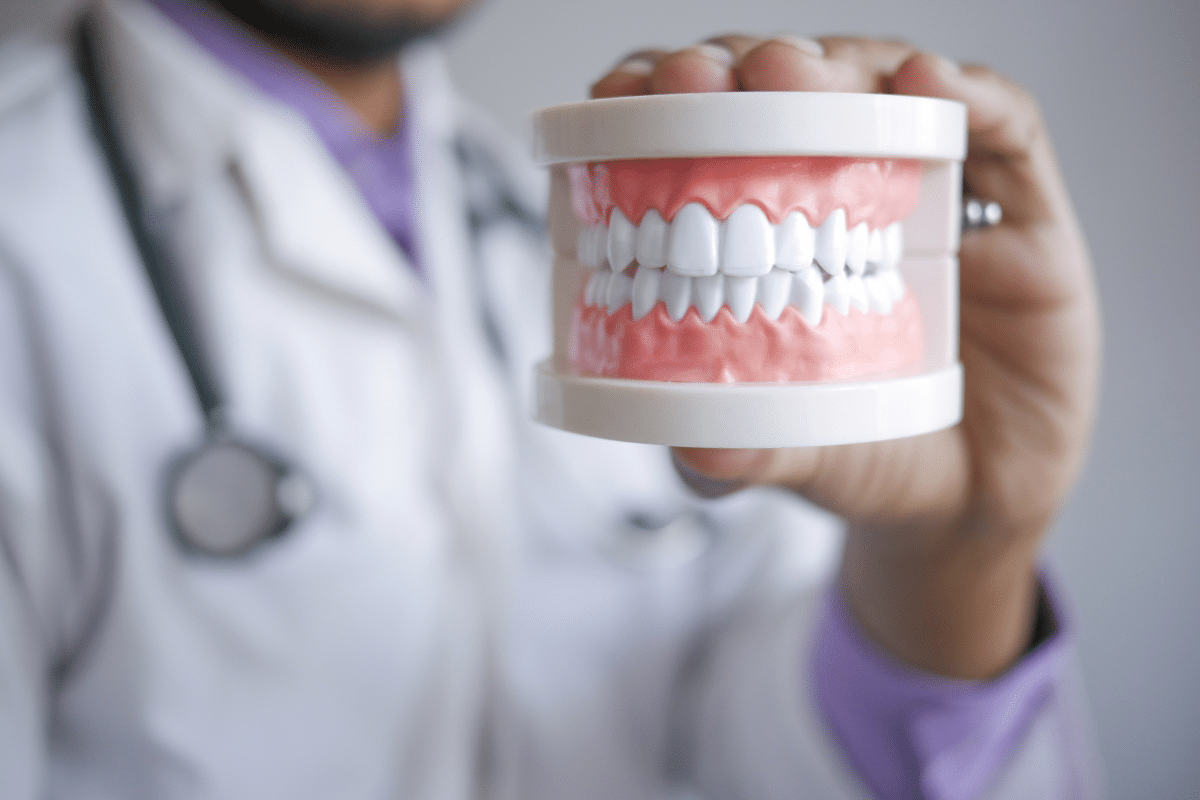
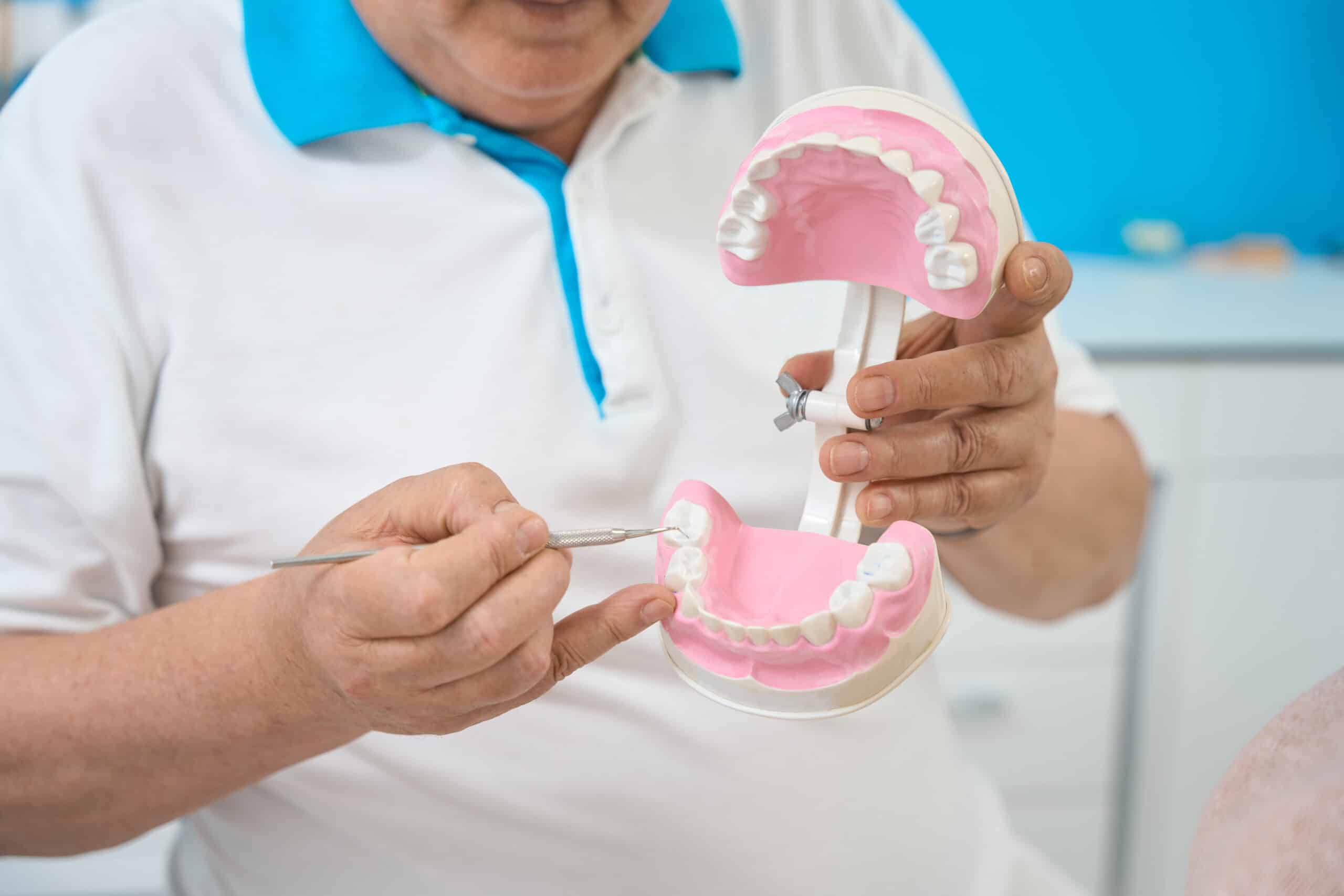
Denture technology has come a long way since your parents or grandparents got fitted for theirs. Patients across the las vegas valley often ask a simple question before choosing a new set: are the newer dentures las vegas dentists now offer actually more comfortable than the old kind? The short answer is yes, and the reasons why are worth a closer look.
What Made Older Dentures So Uncomfortable
Older full and partial plates were built from thick, hard acrylic that did not flex with the natural movement of the mouth. The base often had to be bulky just to hold its shape, which left less room for the tongue and made speech feel awkward for many wearers. Fit was based on a single mold, so as gums and jawbone shifted over the years, the plate no longer matched the mouth underneath it. That mismatch led to sore spots, clicking sounds while chewing, and a constant need for thick adhesive just to get through a meal without worry.
Color was another problem. Early acrylic teeth often looked flat and uniform, nothing like the slight shading and texture of real enamel. Many older wearers avoided smiling in photos or laughing out loud because the plate looked obviously fake up close. None of this was a failure on the wearer’s part. It was simply the limit of the materials and methods available at the time.
How Modern Denture Technology Has Changed the Game
Today’s labs use digital scanning instead of a single messy impression tray. A scan captures the exact shape of the gums and remaining teeth, which lets a lab build a base that follows the true contour of the mouth rather than an average guess. The result is a thinner, lighter plate that holds its shape better and feels less like a foreign object.
The materials themselves have improved too. Newer acrylic resins flex slightly with normal jaw movement, which cuts down on pressure points that cause soreness. Denture teeth are now layered and shaded in several tones, so the finished set looks closer to natural enamel under normal light. Suction and retention have also improved through better base design, which means less reliance on heavy adhesive throughout the day.
A side by side look at traditional and modern dentures
| Feature | Traditional Dentures | Modern Dentures |
| Base material | Thick, rigid acrylic | Thinner, flexible resin blends |
| Fit method | Single physical impression | Digital scan or 3D impression |
| Adjustment period | Often several months | Usually two to four weeks |
| Appearance | Flat, uniform tooth color | Layered shading for a natural look |
| Daily adhesive need | Frequent, often heavy use | Light use or none with a precise fit |
| Stability option | Gum supported only | Gum supported or implant retained |
Why a Precise Fit Matters More Than People Expect
A denture that fits loosely does not just feel awkward, it can wear down the gum tissue underneath it over time. That is why the fitting step deserves real attention rather than a rushed appointment. A 3D scan of the mouth allows a dentist to build a set around the exact shape of the gum line, which cuts down on the rocking and shifting that causes most of the discomfort people associate with older plates. When a patient asks a dentist near me for dentures, this is usually the first thing worth checking: does the practice use digital fitting tools, or only the older impression tray method?
Types of Modern Dentures Worth Knowing About
Not every patient needs the same solution, and a good dentist will walk through the options rather than push one single choice.
Conventional Dentures
A full removable set that replaces all the teeth on the upper or lower arch. These remain a practical, budget friendly option and are built to match the shape of the gums closely.
Overdentures
Also called implant retained dentures, these clip onto a small number of dental implants placed in the jawbone. They tend to stay far more stable while chewing and can help slow bone loss in the jaw over time.
Partial Dentures
Built for patients who still have some natural teeth remaining. A partial fills the gaps while using the surrounding teeth for extra support, and it can be removable or fixed in place depending on the case.
Signs Your Current Set Might Need an Upgrade
- The plate shifts or clicks while you talk or chew
- You rely on adhesive every single day just to feel secure
- Sore spots show up in the same place again and again
- Food gets trapped underneath more often than it used to
- The color or shape looks dated compared to your natural smile
- Speaking clearly takes extra effort or feels forced
Any one of these on its own is common in the first few weeks of a new denture. If several of them show up together and stick around, it is worth having the fit checked rather than living with daily discomfort.
Meet Our Dentists
Dr. Meron Anghesom
Dr. Anghesom earned his Doctor of Dental Surgery degree from the University of California, San Francisco School of Dentistry, and has practiced dentistry in the Las Vegas valley for over ten years. He is certified in Invisalign and stays current through ongoing continuing education, with a focus on restorative work including dental implants and general cosmetic care. His approach centers on patient comfort and giving each person clear, useful information about the health of their teeth and gums.
Dr. Sarah Kitchen
Dr. Kitchen was born and raised in Northern Nevada. She earned her biology degree from the University of Nevada, Reno, graduating on the Dean’s List, then completed her Doctor of Dental Medicine degree at the UNLV School of Dental Medicine. She is a member of the American Academy of Cosmetic Dentistry and the American Dental Association, and patients often mention her calm, friendly manner during appointments.
Together, this team brings hands-on training and years of local experience to every denture case that comes through the practice, whether a patient needs a first set or a full replacement of an older one.
Caring for Your New Dentures
- Rinse and brush the denture daily with a soft brush and a cleanser made for dentures, not regular toothpaste
- Remove and rinse the plate after meals to clear away food particles
- Soak it overnight in water or a denture solution so the material does not dry out or warp
- Keep brushing your gums, tongue, and any remaining natural teeth twice a day
- Book a checkup once a year so the fit can be reviewed as your mouth naturally changes
What to Expect When You Make the Switch
The process usually starts with an exam and an honest conversation about goals and budget. From there, a scan or impression is taken, and a lab builds the set to match the exact shape of the mouth. A short adjustment period follows, and most patients settle into normal eating and speaking within a month. Choosing dentures las vegas patients can rely on day after day comes down to picking a team that takes the fitting step seriously rather than rushing through it.
Ready for a Comfortable Fit?
If your current dentures slip, rub, or simply do not look right anymore, a short visit can tell you what options fit your mouth and your budget. Schedule a consultation with Summerlin Smiles.
Frequently Asked Questions
1: How long does it take to get used to new dentures?
Most people need about two to four weeks to feel at ease with a new set. Soft foods, slow speech practice, and short wear periods at first all help the mouth adjust faster.
2: Will new dentures look natural?
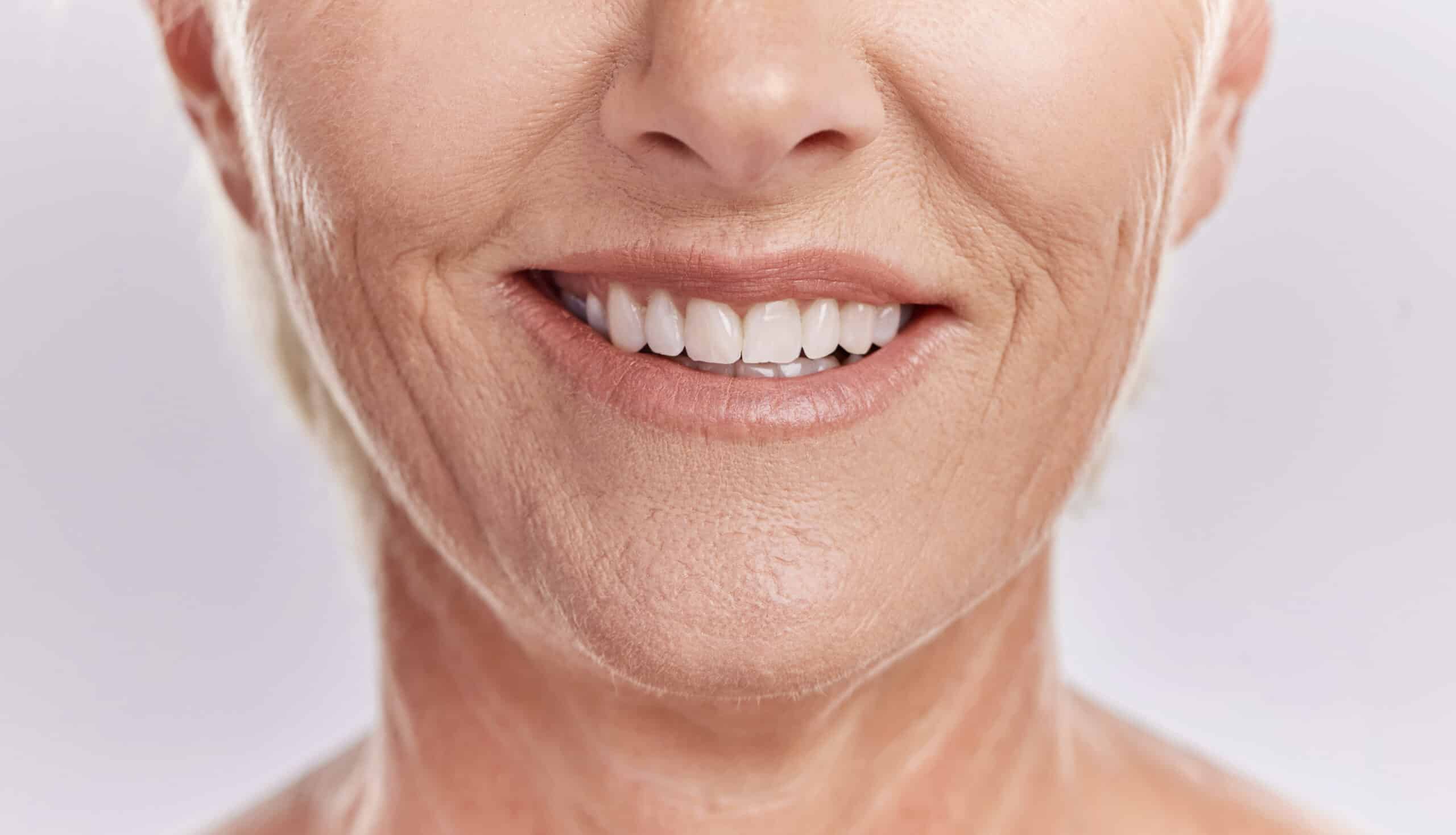
Yes. Modern materials are shaded and shaped to match the color, size, and gum line of real teeth, so the result looks like a natural smile rather than a plate of fake teeth.
3: Can I eat normal food with new dentures?
Most patients return to a full diet within a few weeks. Softer foods come first, then firmer foods are added back in as the bite settles and gums toughen up.
4: Do modern dentures still need adhesive?
A well fitted denture, especially one supported by implants, often needs little to no adhesive. Some patients still like a small amount for extra hold during long days.
5: How often should dentures be checked or replaced?
A checkup once a year keeps the fit accurate, since gums and jawbone shape change over time. Most full sets last seven to ten years before a new one is needed.
6: Are implant supported dentures more comfortable than regular ones?
Many patients find implant supported dentures more stable because they clip onto the jawbone instead of resting on the gums, which cuts down on slipping and sore spots.
7: What is the first step in getting new dentures?
It starts with an exam and a talk about your goals, followed by digital scans or impressions used to build a set that fits your mouth exactly.
8: Does insurance help cover the cost?
Many dental plans cover part of the cost of full or partial dentures. The office team can check your plan and walk through payment options before treatment starts.
The Bottom Line
Comfort in a denture comes down to fit, material, and the skill of the team building it. The technology available today genuinely outperforms what patients had access to decades ago, from lighter materials to scans that capture the exact shape of your mouth. If daily soreness or slipping has become normal for you, that is not something you have to accept. Searching for an local dentist near me for general and restorative care, paired with modern dentures offered through updated fitting methods, can turn an uncomfortable routine into something you barely think about.
For general background on denture care and oral health, the American Dental Association and the National Institute of Dental and Craniofacial Research both publish patient friendly resources worth a look. When you are ready to talk through your own options with a dentist near me, the team at Summerlin Smiles is glad to help you take that next step.