Book Online
How to Care for Your Dental Implants for Long-Term Success



Getting dental implants las vegas patients often ask one question right after their procedure: “How do I make sure these last?” It is a fair concern. Implants are a meaningful investment in your health and your smile. When cared for the right way, they can function just like natural teeth for decades. But they do need consistent attention at home and regular visits with your dental team.
This guide covers exactly what to do, what to avoid, and when to reach out for help.
Why Proper Care Matters More Than You Think
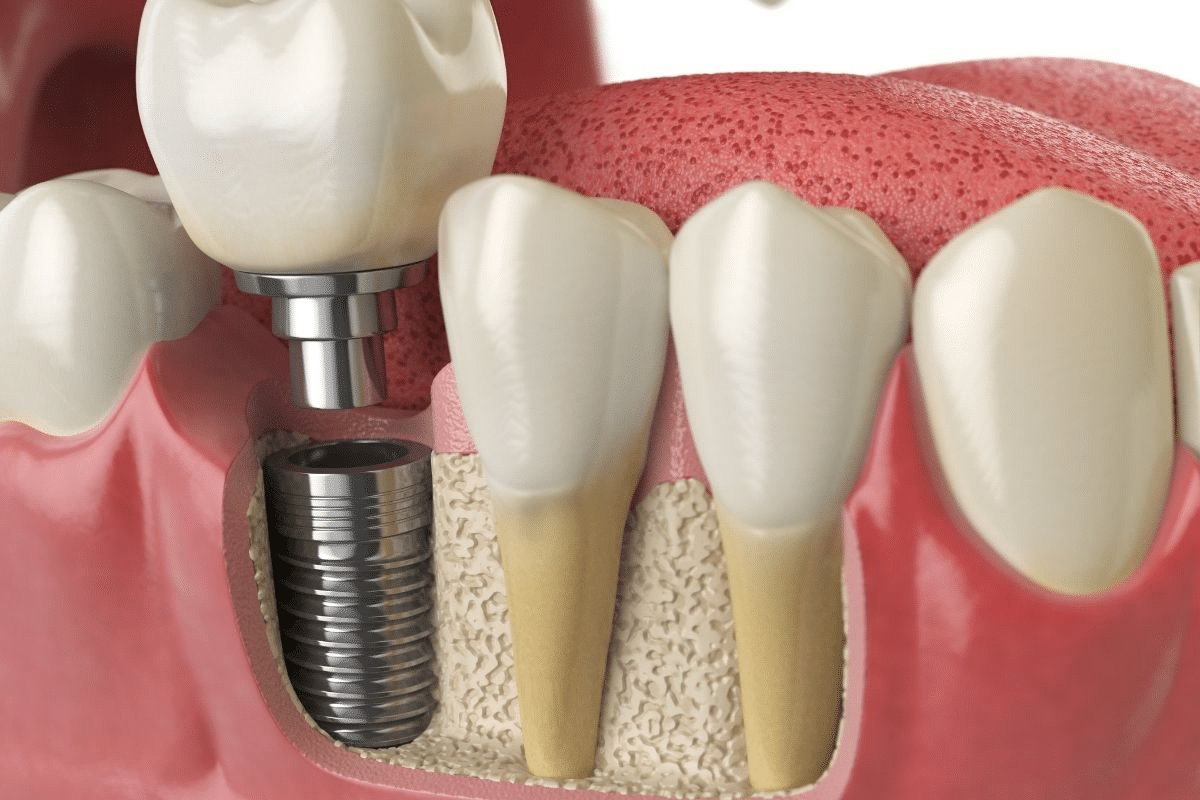
A dental implant is made of titanium and fuses directly to your jawbone. The crown on top looks and feels like a real tooth. But the gum tissue around it is still vulnerable to bacteria and infection.
Gum disease around an implant, called peri-implantitis, is the leading cause of implant failure. It starts with plaque buildup. The good news is it is completely preventable with good daily habits.
Your Daily Cleaning Routine
Brush twice a day, every day
Use a soft-bristled toothbrush. Hard bristles can scratch the crown surface and irritate the gum line. Brush gently around the implant the same way you would a natural tooth. An electric toothbrush works well here too.
Floss once a day
Regular floss works fine, but implant floss or a water flosser makes it easier to clean underneath the crown and along the gum line. Food and bacteria collect in these spots. Skipping floss is the fastest way to invite gum problems.
Use a low-abrasive toothpaste
Avoid whitening toothpastes that are too gritty. They can wear down the crown surface over time. Ask your dentist las vegas team to suggest a paste that is gentle on implant materials.
Rinse with an antimicrobial mouthwash
A daily rinse helps reduce bacteria in hard-to-reach areas. It is not a substitute for brushing and flossing, but it adds a useful layer of protection.
Foods and Habits to Avoid
Your implant crown can handle most everyday foods. Still, some habits put extra stress on it.
- Avoid chewing on ice, hard candies, or pen caps
- Do not use your teeth to open packaging
- Cut hard foods like apples or crusty bread into smaller pieces
- Limit alcohol and avoid smoking, both of which slow healing and raise infection risk
- If you grind your teeth at night, ask your dentist about a night guard
Las Vegas summers bring plenty of outdoor events and social gatherings. If you are eating on the go, watch out for sticky or very hard foods that can stress the crown over time.
The Role of Regular Dental Visits
Even with perfect home care, professional cleanings are still necessary. Plaque hardens into tartar over time, and no toothbrush can remove it once that happens. A hygienist uses tools that are safe for implants to clean those hard-to-reach areas.
For dental implants las vegas patients, visits every six months are usually enough. If you have a history of gum disease, your dentist may suggest more frequent checkups.
At each visit, the dentist checks:
- The fit and condition of the crown
- The health of the gum and bone around the implant
- Whether any adjustments are needed
Signs Something Might Be Wrong
Implants rarely cause pain once fully healed. So if you notice something unusual, do not wait.
Watch for:
- Swelling or redness around the implant
- Pain when you bite down
- The crown feeling loose or wobbly
- Bleeding gums around the implant site
These can be early signs of peri-implantitis or a loose abutment. Both are treatable when caught early. A dentist in las vegas who knows your implant history can assess the issue quickly and guide you on the right next step.
How Your Lifestyle Affects Implant Health
Smoking and tobacco use
Smoking is one of the biggest risk factors for implant failure. It reduces blood flow to the gums, slows the body’s ability to heal, and raises the chance of infection. Quitting, even partially, makes a real difference in long-term outcomes.
Diabetes and other health conditions
Conditions like diabetes can affect gum health and bone density. Keep your dentist informed about any medical conditions. They may adjust your care plan to fit your situation.
Dry mouth
Some medications cause dry mouth. Saliva plays a role in controlling bacteria in the mouth. If you experience dry mouth regularly, stay well hydrated and talk to your dentist about solutions.
What to Expect Over the Years
The titanium post of a dental implant is built to last. With normal care, it can stay in place for 20 to 30 years or more. The crown on top may eventually need to be replaced, usually after 10 to 15 years depending on wear. This is a simple procedure compared to replacing the full implant.
Most people who partner with a skilled dentist las vegas area practice find that their implant feels completely natural within a few months of placement and causes no ongoing issues with consistent upkeep.
Read More: 9 Best Ways to Care For Your Dental Implants
Conclusion
Caring for your dental implants comes down to a few consistent habits: brush and floss daily, avoid habits that stress the crown, and keep up with your regular checkups. These small steps add up in a big way over time.
If you have questions about dental implants las vegas residents rely on for long-term results, the team at Summerlin Smiles is ready to help. Schedule a consultation with Summerlin Smiles to talk through your personal care plan. You are also welcome to contact our Summerlin Smiles office directly to book your next visit. Working with a reliable dentist las vegas patients trust is the best way to keep your implants healthy for decades to come.
Frequently Asked Questions
1. How often should I brush around my implant?
Brush at least twice a day with a soft-bristled toothbrush. Focus on the gum line around the implant where bacteria collect. Gentle and thorough beats hard and fast every time.
2. Can I use an electric toothbrush on my implants?
Yes. Electric toothbrushes are safe and often more effective at removing plaque around implants. Use a soft brush head and avoid pressing too hard on the gum tissue.
3. Is a water flosser better than regular floss for implants?
Both work well. A water flosser can reach spots that are harder to clean with string floss, especially under the crown. Many people use both. The key is that you floss every day, whichever method you choose.
4. What happens if I skip regular dental checkups?
Tartar builds up in areas that home brushing cannot reach. Without professional cleanings, this can lead to gum inflammation around the implant, which over time can damage the bone supporting it. Regular visits catch small issues before they grow.
5. How long do dental implants typically last?
With proper care, the titanium post can last 20 to 30 years or longer. The crown on top may need replacing after 10 to 15 years depending on wear. Many patients go decades without needing any major changes.
6. Can smoking really affect my implants?
Yes, significantly. Smoking reduces blood flow to the gums, weakens the body’s healing response, and increases infection risk around the implant. It is one of the most common reasons implants fail. Discussing this with your dental team is an important part of your care plan.
7. What should I do if my implant crown feels loose?
Contact your dental office right away. A loose crown usually means the abutment screw has loosened, which is a simple fix. Ignoring it puts stress on the implant and surrounding tissue. Do not try to fix it yourself.
8. Do implants need special toothpaste or products?
No special products are required. Choose a low-abrasive toothpaste and avoid highly gritty whitening formulas that can scratch the crown surface over time. Your dentist can point you toward options that work well for implant care.