Request An Appointment
9 Best Ways to Care For Your Dental Implants



Dental implants are one of the most reliable tooth replacement options available today. When cared for properly, they can last 20 years or more. But like natural teeth, they need consistent attention to stay healthy. Whether you already have implants or are thinking about getting them, knowing how to care for them makes all the difference.
If you are looking for dental implants Las Vegas options, you have likely come across plenty of advice online. Some of it is helpful, some is not. This guide cuts through the noise and gives you what actually works, straight from dental professionals who see implant cases every day.
Dental implants do not decay like natural teeth, but the gum and bone around them absolutely can fail without proper care. That is the single most important thing to understand before we get into the tips.
Why Implant Care Is Different From Regular Dental Care
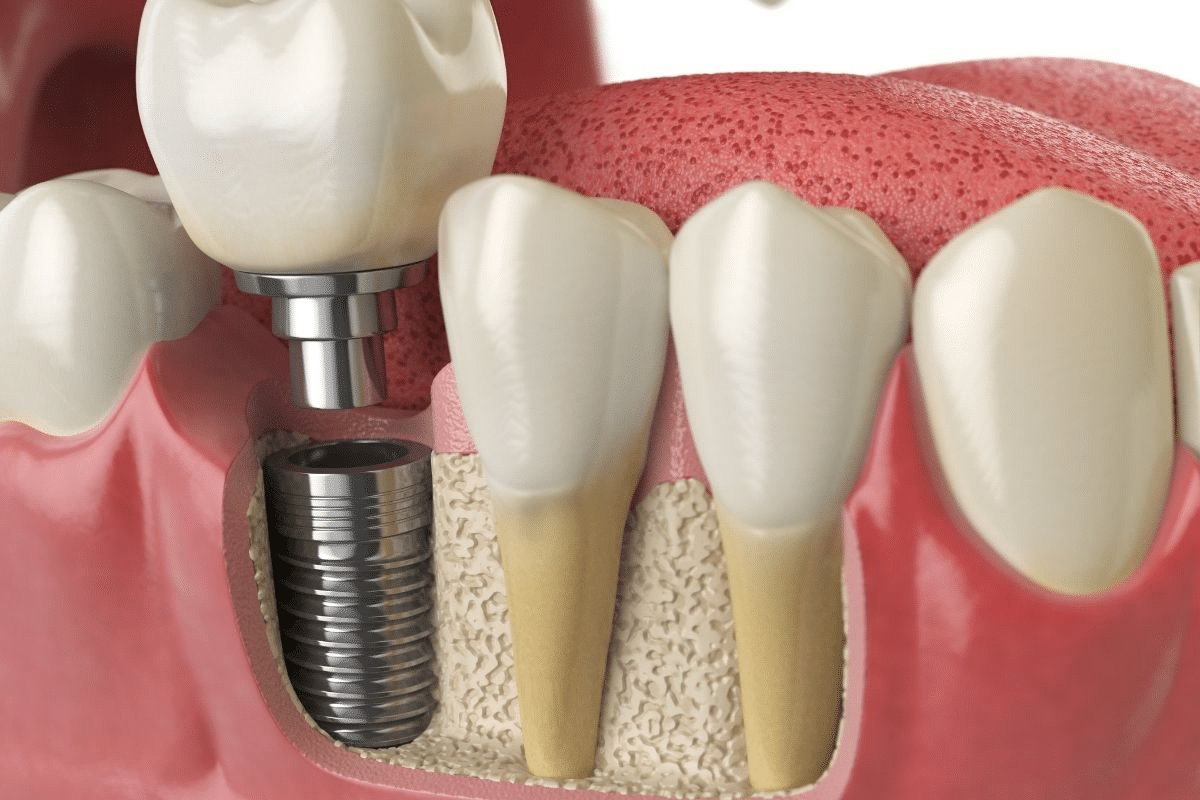
Natural teeth are attached to your jawbone through a ligament that acts as a shock absorber. Implants fuse directly to the bone, a process called osseointegration. This makes them very strong, but it also means there is no natural buffer if bacteria build up around the implant post.
Peri-implantitis is an infection of the tissue around an implant. It is the leading cause of implant failure in adults. The good news is that it is almost entirely preventable with the right habits at home and regular visits to a dental professional.
9 Ways to Keep Your Implants in Great Shape
01. Brush Twice a Day, Every Day
Use a soft-bristle toothbrush and brush for a full two minutes. Pay special attention to the gumline around the implant crown. Plaque that sits at the base of an implant can lead to gum inflammation quickly. An electric toothbrush works well here because it removes more buildup with less pressure.
02. Floss Around the Implant Daily
Regular floss works, but implant-specific floss or a water flosser cleans more effectively around the crown and under the gumline. A water flosser is especially useful if you have multiple implants or bridgework resting on implants.
03. Use a Low-Abrasive Toothpaste
Highly abrasive toothpastes can scratch the surface of implant crowns over time. Look for a toothpaste labeled gentle or sensitive. Avoid gritty whitening pastes, especially in the first few months after placement.
04. Rinse With an Antibacterial Mouthwash
A non-alcoholic antibacterial rinse used once a day helps control bacteria that a brush cannot always reach. Alcohol-based rinses can dry out your mouth, which actually increases bacterial growth over time, so stick to alcohol-free formulas.
05. Avoid Hard or Sticky Foods
Implant crowns are durable, but biting into ice, hard candies, or very chewy foods puts extra stress on the implant and can loosen or crack the crown. Cut firm foods into smaller pieces and chew carefully, especially in the first year after the procedure.
06. Quit Smoking If You Smoke
Smoking reduces blood flow to your gums and significantly slows healing. Studies show that smokers have a much higher rate of implant failure compared to non-smokers. Many dental professionals will discuss this risk with you before placing implants, and for good reason.
07. Keep Up With Professional Cleanings
Visits every six months (or more often if recommended) allow your dental team to remove hardened buildup that home care cannot handle. Implant-safe cleaning instruments are used to avoid scratching the post or abutment. These cleanings are not optional if you want your implants to last.
08. Get Regular X-Rays to Check Bone Levels
Bone loss around an implant does not always cause pain right away. Periodic X-rays allow your dentist to spot bone changes early, well before they become a serious problem. Catching this early gives you far better options for treatment.
09. Wear a Night Guard If You Grind Your Teeth
Teeth grinding (bruxism) puts a heavy load on implants during sleep. Over time, this can damage the crown or even loosen the implant itself. A custom night guard made by your dentist is the best protection against this kind of wear.
Local Note for Las Vegas Residents: Las Vegas has dry desert air year-round, which can contribute to dry mouth, a condition that raises your risk of gum disease around implants. Drinking plenty of water throughout the day is especially important here. Staying hydrated keeps saliva flowing, which naturally protects the tissue around your implants.
Signs That Something May Be Wrong
Even with great home care, it helps to know what to watch for. Contact your dental provider if you notice any of the following:
Swelling or Redness Around the Implant
Some redness right after placement is normal. Redness that shows up months or years later is not. It often signals early gum inflammation that needs attention before it reaches the bone.
A Loose Feeling in the Crown or Post
A small amount of movement in just the crown can sometimes mean the abutment screw has loosened, which is a simple fix. Movement in the implant post itself is a more serious sign that needs to be evaluated quickly.
Pain When Chewing
Healthy implants should not hurt during normal eating. Pain when biting down may point to a bite alignment issue or peri-implant infection.
If you notice any of these signs and are looking for a dentist near me who handles implant concerns, do not wait. Early treatment almost always leads to a better outcome.
Choosing the Right Dental Team Matters
There are many dental clinics in the Las Vegas area and surrounding communities. Not all of them specialize in implant care or offer the same level of follow-up support. When choosing where to get your implants placed or maintained, it is worth asking about the provider’s experience with implant cases, what their aftercare process looks like, and whether they use digital imaging for bone assessments.
Summerlin Smiles serves patients from Summerlin, Spring Valley, Henderson, and surrounding neighborhoods. The clinic provides comprehensive implant placement and maintenance under one roof, which means the team that places your implant is also the team monitoring it over time. While there are several dental offices in the area, the personalized approach and range of services at Summerlin Smiles puts it among the top choices for dental implants Las Vegas residents can count on.
If you recently moved to the area or are switching providers, many patients search for a dentist near me and then quickly realize that convenience alone is not enough. Experience with implant aftercare, advanced imaging tools, and a team you can actually reach when something feels off, those factors matter more in the long run.
Frequently Asked Questions
1. How long do dental implants typically last?
With proper care, implants can last 20 to 30 years or even a lifetime. The implant post itself is designed to be permanent. The crown placed on top may need to be replaced after 10 to 15 years depending on wear.
2. Can I brush my implant the same way I brush my natural teeth?
Yes, mostly. Use a soft-bristle brush and gentle circular motion. The key difference is to pay extra attention to the gumline around the crown, since that area is prone to bacterial buildup if neglected.
3. Is it normal to feel some discomfort after implant placement?
Mild soreness and swelling for three to five days after placement is normal. If pain gets worse after the first week or does not improve with over-the-counter medication, contact your dental provider right away.
4. Are implants a good option for people with bone loss?
It depends on how much bone loss has occurred. In many cases, a bone graft can restore enough volume to support an implant. Your dentist will evaluate this with imaging before recommending a treatment plan.
5. How often should I see a dentist once I have implants?
At minimum, twice a year. Some patients with a history of gum disease or those who smoke may need more frequent visits. Your dental team will give you a schedule based on your specific situation.
6. What happens if I skip regular check-ups after getting implants?
Without regular monitoring, small problems like bone changes or early gum inflammation can go unnoticed until they become major issues. Catching problems early is almost always simpler and less expensive to treat.
7. Can my body reject a dental implant?
True rejection (like with organ transplants) is very rare with dental implants because they are made from titanium, which the body tolerates well. Implant failure is more commonly linked to infection, poor bone density, or habits like smoking that interfere with healing.
8. Does insurance typically cover dental implants?
Coverage varies widely by plan. Some insurance policies cover part of the cost, particularly for the crown or related procedures. It is worth calling your provider to ask specifically what your plan covers before moving forward.
A Final Word on Long-Term Implant Health
Caring for dental implants Las Vegas patients rely on comes down to consistency. The nine tips in this guide are not complicated, but they do require daily follow-through. The patients who get the most out of their implants are the ones who treat them with the same respect they would give natural teeth, if not a little more.
Summerlin Smiles is committed to helping every patient in the Las Vegas area understand what their implants need to thrive. From the day of placement to years of follow-up care, the team is here to support your long-term oral health, not just the procedure itself.
Ready to take the next step?
Schedule a consultation today and get a clear picture of where your oral health stands. Whether you are considering implants for the first time or want to make sure your existing ones are in great shape, the team is ready to help you move forward with confidence.