Book Online
Understanding the Decision-Making Process Behind a Dental Treatment Plan



You sit in the dental chair, and within minutes your dentist mentions X-rays, cleanings, fillings, or maybe something more involved. It can feel like a lot. But behind every treatment recommendation is a careful, step-by-step thought process, not a guess.
If you have ever wondered why your dentist suggests a specific treatment or what goes into that decision, this guide breaks it down in plain terms. Whether you are visiting a dentist in Las Vegas for the first time or switching to a new practice, understanding this process helps you feel more confident in your care.
It Starts With Listening to You
Before anything clinical happens, a good dentist listens. They ask about pain, sensitivity, past dental work, medications, and even stress levels. Teeth grinding, for example, is often tied to stress and can cause real damage over time.
This conversation matters. It gives the dentist context they cannot always see on an X-ray. If you are visiting a dentist near me for the first time, expect this part to take a few minutes. It is time well spent.
A Full Mouth Examination
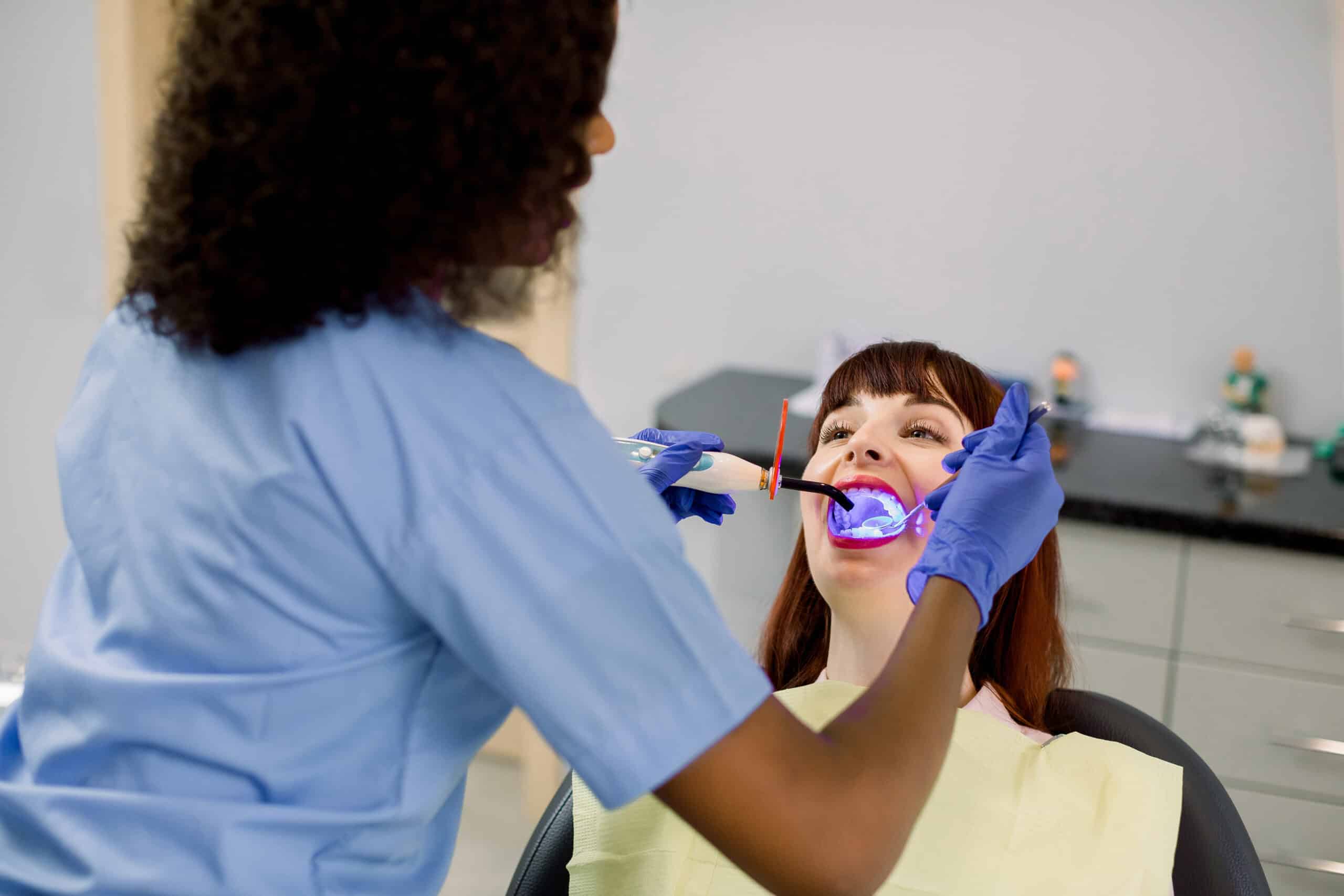
After gathering your history, the dentist examines your entire mouth, not just the tooth that hurts. This typically includes checking for cavities, gum health, bite alignment, jaw issues, soft tissue health, and signs of oral cancer.
Visual Inspection
Looking at each tooth, gum line, and surrounding tissue for visible signs of damage or disease.
Probing the Gums
Measuring the space between teeth and gums to check for gum disease, which affects about half of American adults.
X-Rays
Imaging reveals what the eye cannot see, such as bone loss, decay between teeth, or root problems.
Bite Assessment
Checking how your teeth come together, as poor alignment can cause uneven wear and jaw pain over time.
How the Dentist Sorts What Needs Attention
Once the exam is done, your dentist organizes findings by priority. Not everything requires immediate action, and a trustworthy dentist near me will tell you that clearly.
Urgent Needs
Active infection, severe pain, or a cracked tooth that risks further damage. These are addressed first because waiting can make things worse or more costly.
Important but Not Urgent
A cavity that has not yet reached the nerve, early gum disease, or a worn-down filling. These are real concerns that need treatment soon, but there is some time to plan.
Preventive and Cosmetic
Cleanings, sealants, whitening, and minor cosmetic work fall here. These support long-term health and appearance but are not medically urgent.
A thorough treatment plan is never one-size-fits-all. It reflects your specific oral health picture, your overall health history, and what you and your dentist decide together.
Your Input Actually Shapes the Plan
This part surprises many patients. Your goals, concerns, and budget all factor into a dental treatment plan. If cost is a concern, a dentist can often phase treatment across visits. If you are worried about appearance, that gets factored in too.
When people search for a dentist in Las Vegas, they often want someone who listens and explains options clearly. The best dental relationships work both ways. You ask questions and they answer them without making you feel rushed.
What Goes Into Choosing a Specific Treatment
When a problem is identified, the dentist considers several things before settling on a treatment approach.
Severity of the problem: A small cavity needs a filling. A cavity that has reached the pulp needs a root canal. The extent of damage guides the solution.
Long-term outcome: Will this fix last? A tooth with very little remaining structure might need a crown rather than another large filling.
Patient health history: Conditions like diabetes, heart disease, or blood thinners change how certain procedures are handled.
Patient preference: Some people prefer tooth-colored fillings. Others want to avoid certain procedures. These choices are valid and respected.
Why Local Dental Care Makes a Difference
Las Vegas has a large and active population, and dental needs here are just as varied. From families in Summerlin to retirees across the valley, people come to a dentist in Las Vegas with different backgrounds, dental histories, and goals. A local practice understands these differences and builds care around the individual, not a generic checklist.
Preventive care is especially important in busy communities. Regular check-ups, typically twice a year, catch problems early before they turn into bigger, more expensive issues.
Frequently Asked Questions
1. How long does it take to make a dental treatment plan?
Most treatment plans are discussed during your first comprehensive exam, which usually takes 45 to 90 minutes. If imaging or specialist input is needed, the full plan may take a second visit to finalize.
2. Can I say no to part of my treatment plan?
Yes. Dental treatment is always your choice. Your dentist will explain the risks of delaying or skipping certain treatments, but the decision is yours. Open communication helps you both find a path that works.
3. How do I know if a recommended treatment is truly necessary?
Ask your dentist to explain the problem, show you the X-ray or photos, and describe what happens if you wait. A good dentist welcomes these questions. You can also seek a second opinion if you are unsure.
4. What is the difference between urgent and elective dental treatment?
Urgent treatment addresses active pain, infection, or damage that could worsen quickly. Elective treatment includes cosmetic work or preventive steps that improve health and appearance but are not emergencies. Your dentist will clearly label which is which.
5. Does dental insurance affect treatment recommendations?
Insurance affects what is covered financially, not what is medically appropriate. A good dentist recommends what your teeth actually need and then works with you to understand coverage and payment options.
6. How often should I expect to update my treatment plan?
Treatment plans are reviewed at each visit. Your oral health changes over time, and so does the plan. What was minor a year ago may need attention now, or a past issue may have fully resolved.
7. What if I have dental anxiety? Does that change my treatment plan?
It can, and it should be mentioned. Many dental offices offer options like nitrous oxide, sedation, or simply a slower-paced appointment for patients with anxiety. Telling your dentist upfront allows them to plan your care in a way that feels manageable.
8. Can I spread my dental treatment over multiple visits?
In most cases, yes. Dentists commonly phase treatment based on priority, patient comfort, and budget. Urgent issues are handled first, and less pressing work is scheduled across future appointments at a pace that suits you.
Making Sense of Your Dental Care
A dental treatment plan is not just a list of procedures. It is a map of where your oral health stands today, what needs attention, and how to get there in a way that makes sense for you. When you understand the process behind it, it stops feeling overwhelming and starts feeling like a plan you are part of.
At Summerlin Smiles, every treatment plan starts with a real conversation and a thorough exam. We take the time to explain what we find, why it matters, and what your options are so that you can make informed choices about your care. Choosing a trusted dentist in Las Vegas means choosing a practice that puts your understanding first.
If you have questions about your oral health or want to know what a comprehensive exam actually involves, schedule a consultation with Summerlin Smiles. We are happy to walk you through everything step by step. You can also contact our Summerlin Smiles office directly to learn more about the dental services we offer.