Request An Appointment
Which Root Canal Treatment Is Easier, Incisor Or Molars?



Root canal treatment or endodontics are detailed procedures that save teeth from further damage and injury. The treatment has steps, but the difficulty depends on the type of tooth that is treated, incisors or molars.
The answer remains consistent with modern dentistry: incisor root canal treatments are generally easier and less complex than molar treatments, but today’s advanced technologies have dramatically improved outcomes for both tooth types.
In this blog, we will explore facts that say which root canal treatment is easier, incisor or molar.
Root Canal Treatment: Know The Procedure
Root canal therapy is a sophisticated procedure designed to save severely damaged, decayed, or infected teeth. The process involves removing infected or inflamed pulp tissue, thoroughly cleaning and disinfecting the root canal system, and filling it with dental sealants to prevent any further chances of dental infection.
While preventive treatments like dental sealants Las Vegas dentists commonly recommend can help avoid cavities in the first place, root canal therapy becomes necessary when tooth damage has progressed beyond what preventive care can address.
Modern endodontic treatment now incorporates cutting-edge technologies, including laser therapy, 3D imaging, and regenerative approaches that focus on developing healthy pulp tissue rather than just removing it. These advancements have increased success rates to impressive levels: 93% at 10 years, 85% at 20 years, and 81% at 30+ years. The National Institute of Dental and Craniofacial Research provides detailed information about endodontic success rates.
Incisors
Incisors are your eight front teeth – four on top and four on the bottom which are used for biting, tearing food, and cutting. Incisors aren’t just functional, but they’re also crucial for your appearance and speech. The two center incisors on top are especially important because they sit right in the middle of your smile and help shape your mouth. When you talk, these front teeth help you make certain sounds clearly.
Processing a root canal treatment in incisors is easier because your dentist can access them easily, but the molars cannot. Moreover, the incisors have a simple structure, and the molars have a complex structure. Hence, root canal therapy for incisors takes less time and is easier than the molars.
Pain
The endodontic treatment of incisors is usually less painful than the molar procedures because molars face most of the biting force that incisors can handle. Moreover, these teeth share most root outlets, making them harder to access. Hence, this can make the process more complex and painful. The incisors are less sensitive than the molars, and hence, this causes more pain in the molars rather than the incisors.
Treatment Timeline Comparison
Incisors
- Appointment Duration: 45-90 minutes
- Number of Visits: Often completed in one appointment
- Recovery Time: 2-7 days for complete comfort
- Final Restoration: Simple filling or small crown
Molar
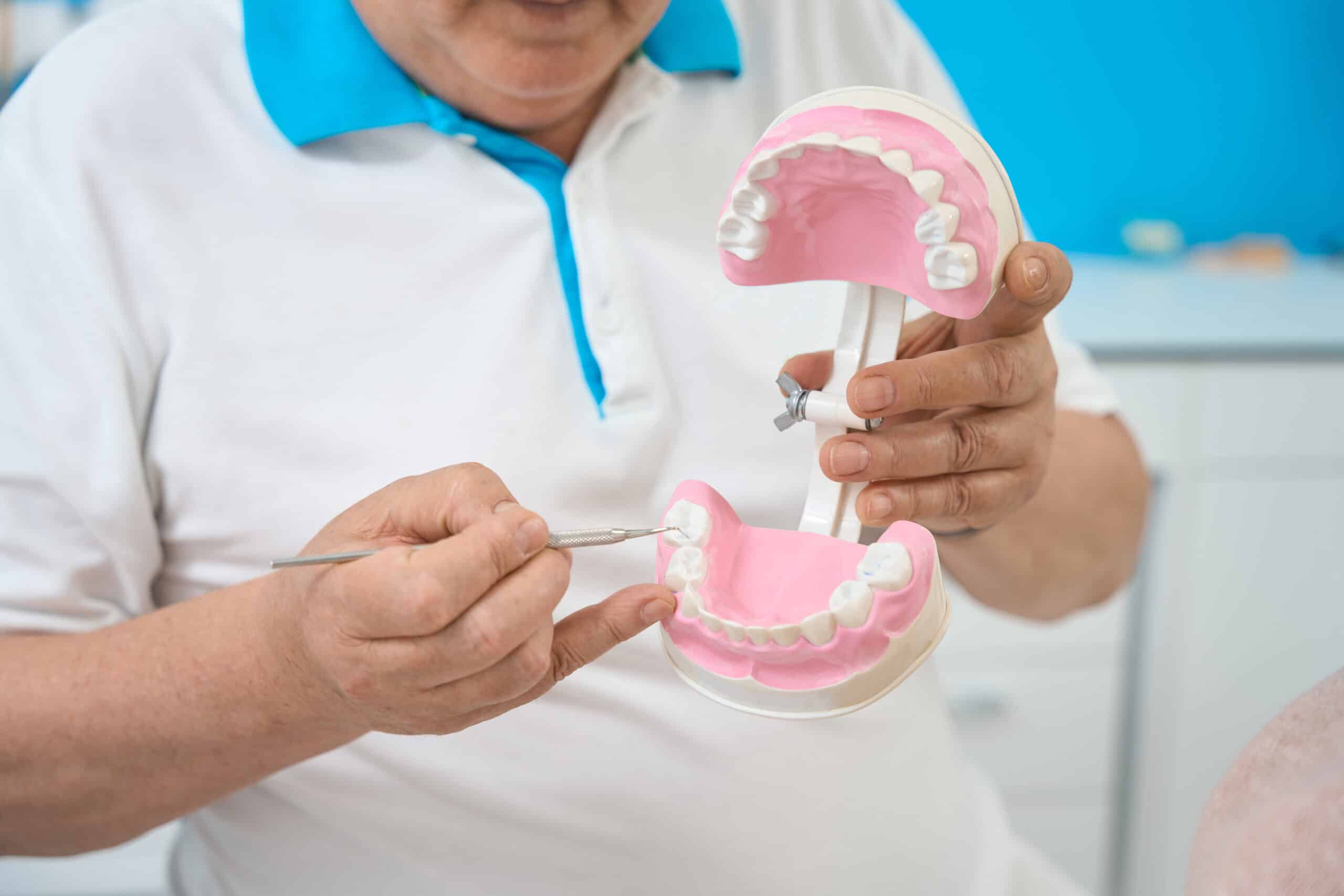
Molars are large back teeth designed for grinding and crushing food, handling 80% of your chewing force. These are basically used for crushing and grinding the food. Located at the back of your mouth, molars require advanced techniques including CBCT 3D imaging and specialized microscopic instruments for successful treatment.
The procedure typically takes 90-120 minutes with a 90-95% success rate using modern techniques, though patients experience higher pain levels due to multiple sensitive roots and require 3-10 days for recovery. Due to their complexity and the need for crown restoration, molar root canals cost more than incisor treatments. Hence, your dentist needs to take out the roots very carefully.
Pain
Molar root canal treatments are more painful than the incisors because these have more roots and are more sensitive than the incisors. Moreover, the biting force of molars is greater than that of incisors. This treatment is much more uncomfortable for the patients, which results in a higher level of pain.
Treatment Timeline Comparison
Molars
- Final Restoration: Crown typically recommended due to greater chewing forces
- Appointment Duration: 90-120 minutes
- Number of Visits: May require 1-2 appointments depending on complexity
- Recovery Time: 3-10 days for complete comfort
The incisor root canal treatments are basically easier than the molar ones because they require less time and are easily accessible. These incisors are easily accessible, and they are less sensitive than the molars. They are also less painful, and the recovery time required is shorter.
Molars require advanced instruments to access, such as bringing out the large pulp section and applying the sealant. Moreover, the biting force of molars is greater than that of incisors. Hence, it can damage the sealant even more.
Cost Considerations
Treatment costs vary based on tooth complexity:
- Incisors: Generally less expensive due to simpler anatomy and shorter treatment time
- Molars: Higher cost due to increased complexity, longer treatment time, and need for crown restoration
- Insurance Coverage: Most dental insurance plans cover 70-80% of endodontic treatment costs
Prevention: The Best Treatment
While modern root canal therapy is highly successful, prevention remains the ideal approach:
- Regular dental checkups and cleanings
- Prompt treatment of dental decay
- Proper oral hygiene practices
- Use of fluoride products
- Protective mouthguards for contact sports
- Avoiding hard foods that can crack teeth
Main Differences: Incisors vs Molars
| Factor | Incisors | Molars |
|---|---|---|
| Canal Structure | Single, straight | Multiple (2-4), curved |
| Accessibility | Easy front access | Difficult back access |
| Treatment Time | 45-90 minutes | 90-120 minutes |
| Success Rate | 95-98% | 90-95% |
| Pain Level | Lower | Higher |
| Recovery Time | 2-7 days | 3-10 days |
| Cost | Lower | Higher |
Choosing the Easier Root Canal Treatment: Incisors vs Molars
When it comes to root canal treatments, the ease of the procedure largely depends on the tooth’s anatomy and your dentist’s skill. Incisors are definitively easier for root canal treatment. Due to their single, straight canal, incisors generally offer a simpler and quicker treatment process, making them less complex to navigate and treat. On the other hand, molars, with their multiple canals and intricate structures, require more expertise and time but can still be effectively treated with modern techniques.
However, both treatments are highly successful with modern 2025 techniques, including CBCT imaging and laser therapy. The choice should be based on saving the tooth rather than treatment complexity, as experienced endodontists achieve excellent results for both tooth types. Choosing our dentist in Las Vegas and following post-treatment care instructions ensures the health and longevity of your treated tooth—whether it’s an incisor or a molar.
At Summerlin Smiles, our experienced dentist team provides expert care for all types of root canal treatments, ensuring your comfort and long-term oral health. Contact us today to schedule your consultation and take the first step toward a pain-free, healthier smile!