9525 W Russell Rd, Las Vegas, NV 89148, United States
Do You Still Need Dental Checkups If Your Teeth Feel Fine?



Your teeth feel fine. Nothing hurts, nothing looks off, and your calendar is packed. Many people type “dentist las vegas” into a search bar only after pain starts, but the best time to see one is before that. Here is why a checkup still matters when your mouth feels great.
Quick self-check. Tick any that fit you:
- It has been more than six months since my last cleaning.
- My gums bleed now and then when I brush or floss.
- I drink soda, energy drinks, or sweet coffee often.
- My mouth feels dry, especially at night.
- I clench or grind my teeth when I am stressed.
One tick or more means a checkup is worth booking. Zero ticks is great news, and a visit can confirm it.
The Short Answer
Yes, you still need them. Most dental problems start without pain. A cavity can grow for months before you feel it, and gum disease is often quiet too. A checkup finds these issues while the fix is small, quick, and lower in cost.
Why Feeling Fine Can Fool You
Cavities Hide Early
Decay starts in the outer layer of the tooth, called enamel. Enamel has no nerves, so you feel nothing at first. By the time a tooth aches, the decay has often reached the inner part. The CDC reports that roughly 1 in 4 U.S. adults ages 20 to 64 has untreated tooth decay.
Gum Disease Is Quiet
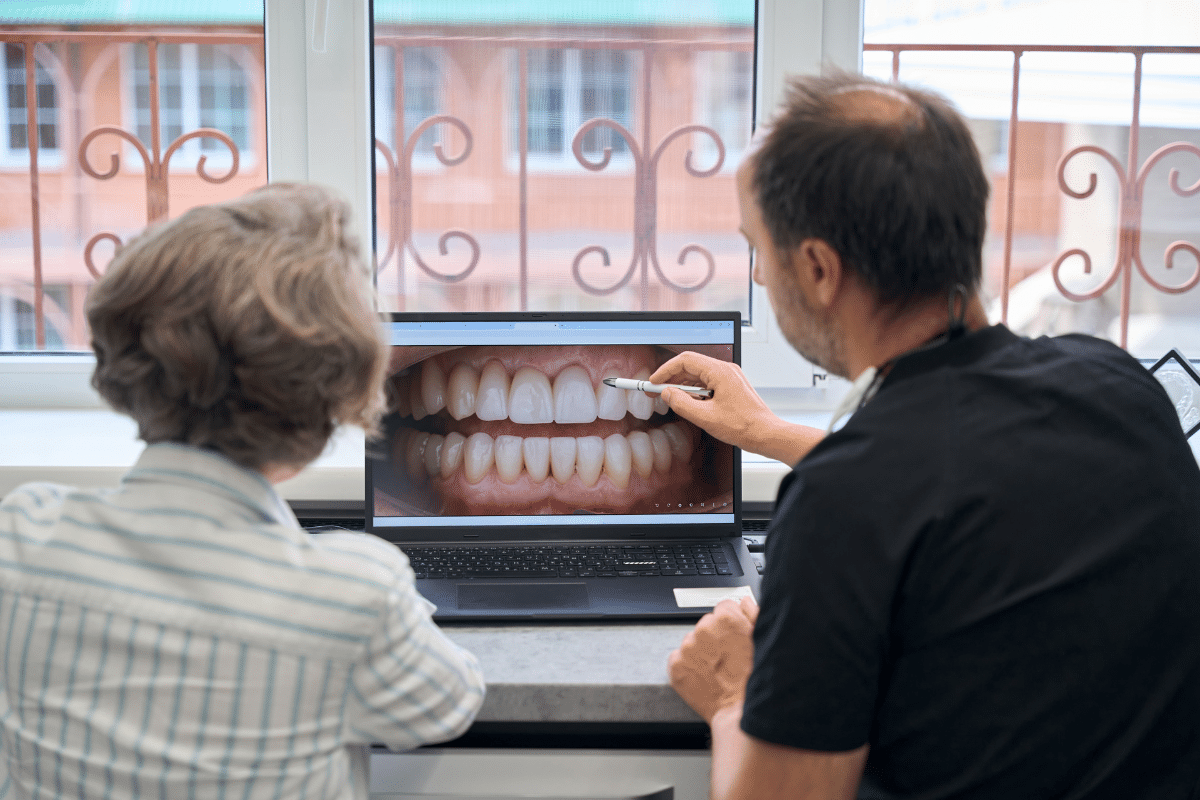
Early gum disease may cause mild bleeding or none at all. Left alone, it can harm the bone that holds your teeth in place. A dentist measures the small space around each tooth and spots changes you cannot see in the mirror.
Old Dental Work Wears Down
Fillings and crowns do not last forever. Tiny gaps can let decay creep underneath them. You will not feel it, but an exam and X-rays can catch it.
Other Things a Checkup Finds
Your dentist also checks your tongue, cheeks, and throat for unusual spots, including early signs of oral cancer. Cracks and worn enamel from grinding often show up too. These are easy to miss at home.
What Happens at a Routine Checkup
Most visits are simple and follow the same steps.
- Health review. You share any changes in your health or medicines.
- Cleaning. A hygienist removes plaque and hard tartar that brushing cannot.
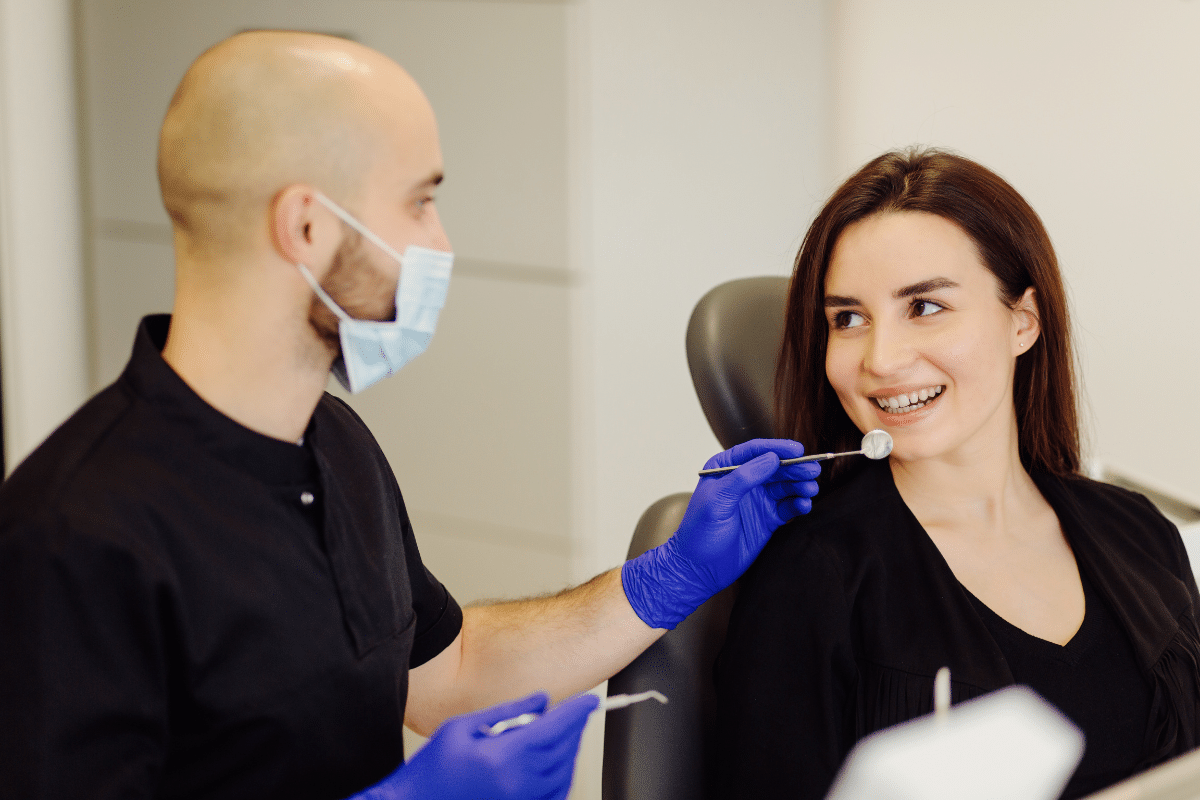
- Exam. The dentist checks your teeth, gums, bite, and soft tissue.
- X-rays, if needed. Your risk and your last images decide this.
- Clear plan. You hear what was found, what it costs, and what can wait.
You should leave knowing your next step, with no surprises.
Checkup Now vs Treatment Later
Here is how the same problem can play out at two different times. Every case differs, so treat this as a general guide.
| Problem | Found at a Checkup | Found After It Hurts |
| Cavity | Small tooth-colored filling | May need a crown or root canal |
| Gum disease | Deep cleaning and better home care | Bone loss and loose teeth |
| Cracked tooth | Simple repair | Break, pain, and an urgent visit |
| Grinding wear | Night guard | Sensitive or chipped teeth |
| Time and cost | Short visit, lower cost | More visits, higher cost |
How Often Should You Go?
The American Dental Association (ADA) says the right schedule depends on your own risk. There is no single rule for everyone.
- Every six months: most adults with healthy teeth and gums.
- Every three to four months: patients with a history of gum disease, or those who need closer watching.
- Your own schedule: your dentist may set a longer gap if your risk is low.
Ask your dentist what fits you, and book the next visit before you leave.
Who Should Be Extra Careful
Some patients should not wait for a problem. Stay close to your dentist’s schedule if you:
- Have diabetes or are pregnant
- Smoke or vape
- Take medicine that dries your mouth
- Have older fillings, crowns, or bridges
- Grind your teeth at night
These factors raise the chance of gum trouble and decay. Tell your dental team about them at every visit.
Common Excuses and Straight Answers
- “My teeth feel fine.” Pain is a late signal. Early problems are silent.
- “I am nervous.” Say so at the start. Summerlin Smiles offers sedation dentistry and goes at your pace.
- “It costs too much.” A small filling costs far less than a root canal. Financing is offered through Cherry and Sunbit, and costs are explained before treatment.
- “I have no time.” A checkup takes about an hour, and Saturday hours help.
Checkup Tips for Busy Patients
This city keeps odd hours. Many patients work nights, weekends, or holidays, and the dental visit slides to the bottom of the list. Pick a time block once and set a reminder for the next one.
The dry desert air and long, hot summers can also dry out your mouth. Less saliva means more cavities. Sugary drinks, cocktails, and energy drinks add to the risk, so keep water close and try sugar-free gum between meals.
Convenience counts too. Many patients type dentist near me into their phones and pick the first office with open times. Summerlin Smiles sees patients Monday through Saturday, 9 a.m. to 4 p.m., at 9525 W Russell Rd, and welcomes new patients and urgent visits.
How to Choose a Dental Office
Look for an office that explains what it sees and talks about cost up front. Reading recent reviews and checking each doctor’s training helps a lot. A search for “dentist las vegas” brings up many choices, so compare them on those points, not just distance. Ask how the team helps nervous patients.
Conclusion: Quiet Teeth Still Need Care
Feeling fine is good news, but it does not prove nothing is wrong. Pain usually comes late, after a problem has grown. If it has been a while, a quick dentist Las Vegas search is an easy place to restart. Your first visit is a cleaning, an exam, and a plain talk about next steps.
Ready to take the next step? Many patients who search for a dentist near me find the best fit is an office they can reach easily, with doctors who explain things clearly. Schedule a consultation with Summerlin Smiles and use the online appointment form from our appointment page.
This post is general education and does not replace a dental exam. Visit timing and X-rays depend on your own health.
Frequently Asked Questions
1. Can I skip a checkup if I brush and floss well?
Good home care helps a lot, but it cannot remove hard tartar or reveal hidden problems. A checkup covers what a mirror cannot.
2. How long does a checkup take?
Most visits take about an hour for the cleaning and exam. A first visit may run a little longer.
3. Do I need X-rays at every visit?
No. Your dentist decides based on your risk and the date of your last images.
4. What if I have not been in years?
Come in anyway. The team will start with an exam and a clear plan, with no lecture.
5. Does a checkup hurt?
Most do not. A cleaning can feel scratchy, especially on sensitive gums. Tell the team if you need a break, and ask about sedation if you feel anxious.
6. Is a cleaning the same as an exam?
No. A cleaning removes plaque and tartar. The exam checks for decay, gum disease, and other issues. They are usually done together.
7. What should I bring to my first visit?
Bring a photo ID, your insurance card, a list of your medicines, and any past X-rays you have.
8. What if I need treatment after the exam?
Your dentist will explain the options, the cost, and what can wait. You decide, and you can ask about payment plans.