Request An Appointment
Dental Crown Infection: Signs, Symptoms, and Treatment



If you have a dental crown and something feels off, you are not alone. Crown infections are more common than most people think. The good news is that catching the problem early makes treatment much easier. This guide breaks down everything you need to know, from the first warning signs to your treatment options.
What Is a Dental Crown Infection?
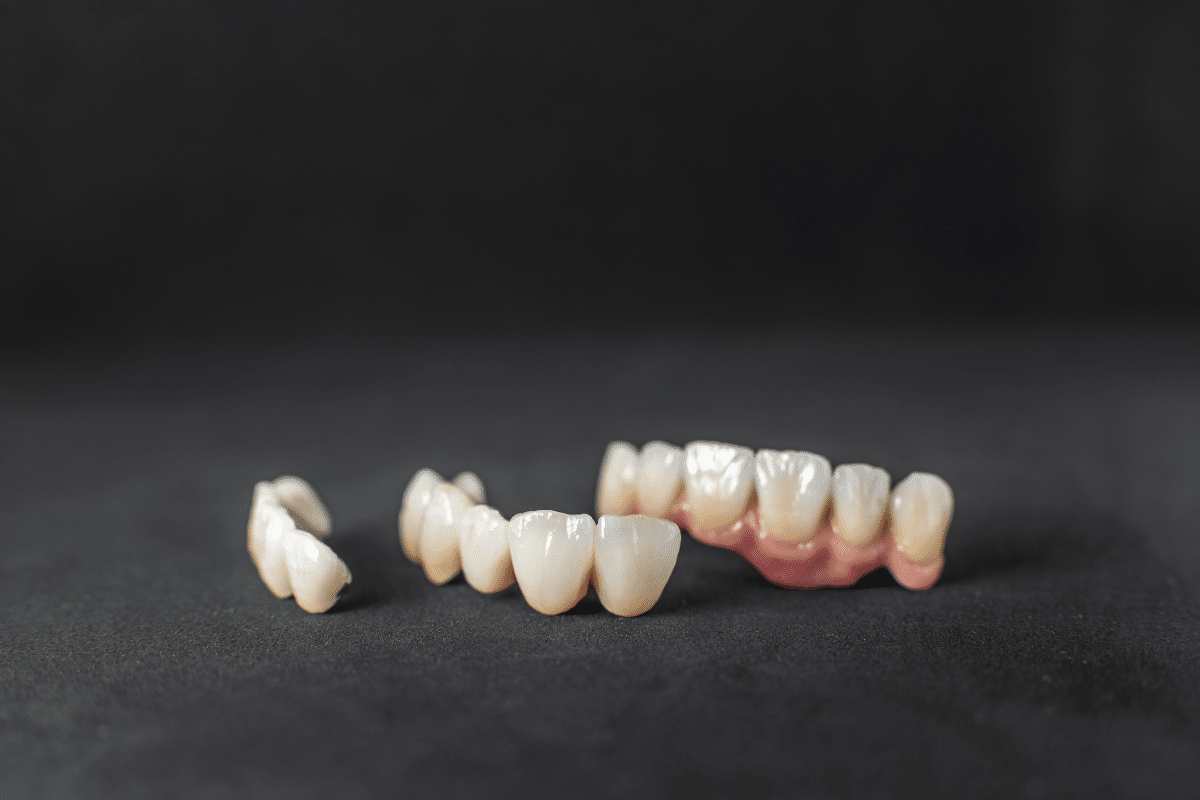
A dental crown covers a damaged or weak tooth. It protects it from further harm. But the tooth underneath is still alive (in most cases), which means it can still get infected.
Infection usually happens when bacteria get under the crown. This can occur if the crown was not fitted properly, if there is decay under it, or if the gum tissue around it becomes irritated. Left untreated, a crown infection can spread to the jawbone or neighboring teeth.
For residents dealing with dental pain, finding a reliable dentist near me is often the first step toward getting answers fast.
Common Signs of a Crown Infection
Not every toothache means infection. But there are specific signs that point to a problem under or around a crown.
Pain that does not go away
Some sensitivity after getting a crown is normal. But if the pain lasts weeks or gets worse over time, that is a red flag. Sharp pain when biting down is especially concerning.
Swelling around the gum line
If the gum near your crown looks puffy, red, or tender, bacteria may already be active in that area.
A small bump on the gum
This is called a dental abscess or fistula. It looks like a pimple near the tooth. It is the body trying to drain infection. Do not ignore it.
Fever or general illness
When an infection spreads beyond the tooth, your body reacts. A mild fever, swollen jaw, or feeling run-down can all be related to a dental infection.
Bad taste or smell in your mouth
Pus from an abscess has a distinct bad taste. If brushing and rinsing does not fix the problem, the source may be under your crown.
Tooth discoloration
If the crowned tooth or the gum around it starts to look gray or darker, the inner tissue of the tooth may be dying.
Why Do Crown Infections Happen?
Understanding the cause helps prevent future problems. Here are the most common reasons infections develop under crowns.
Old or worn crowns
Crowns do not last forever. Most last 10 to 15 years with proper care. An aging crown can develop small cracks or gaps that let bacteria in.
Poor fit
If the crown does not sit flush with the gum, food and bacteria can collect in that space. This is why proper placement matters.
Untreated decay
Sometimes a tooth has existing decay that was not fully removed before the crown was placed. That decay continues to grow under the crown.
Gum disease
Gum disease weakens the tissue around teeth and crowns. It creates pockets where bacteria thrive.
Trauma to the tooth
A knock or fall can crack the crown or damage the tooth underneath, creating an entry point for bacteria.
Treatment Options for an Infected Crown
The right treatment depends on how far the infection has spread and the condition of the tooth underneath.
Root Canal Therapy
If the infection has reached the inner pulp of the tooth, a root canal removes the infected tissue. The crown is usually removed, the tooth is cleaned out, and a new crown is placed. Root canals have a bad reputation, but modern techniques make the procedure manageable for most patients.
Crown Replacement
Sometimes the issue is just the crown itself. If it is cracked, loose, or poorly fitted, replacing it solves the problem before it gets worse.
Antibiotics
Antibiotics treat the infection but do not fix the source. They are often used alongside other procedures, not as a standalone solution.
Tooth Extraction
In severe cases where the tooth cannot be saved, extraction becomes necessary. This is followed by options like a dental implant or bridge to restore the gap.
Drainage of an Abscess
If there is a visible abscess, the dentist may drain it to relieve pressure and reduce the spread of infection.
For those searching crowns las vegas, knowing what treatment options are available helps you walk into your appointment with confidence and clear expectations.
What Happens If You Wait Too Long?
Dental infections do not fix themselves. Waiting makes the situation worse in almost every case.
Infection can spread to the jawbone, a condition called osteomyelitis, which requires serious treatment. In rare but real cases, infection has spread to the neck or brain. Dental emergencies are among the leading reasons people go to urgent care in the U.S.
In a city like Las Vegas, where access to dental care is widely available, there is no good reason to put off treatment. Whether you are new to the area or have lived here for years, scheduling a visit with a dentist near me through a quick online search is faster than ever.
How to Prevent Crown Infections
Prevention is always better than treatment. Here are simple habits that protect your crown long-term.
- Brush twice a day with a soft-bristled toothbrush
- Floss daily, paying close attention to the area around your crown
- Avoid chewing hard items like ice or hard candy on a crowned tooth
- See your dentist every six months for a checkup and cleaning
- Replace old crowns before they start to fail
If you have had crowns las vegas placed recently, ask your dentist about the expected lifespan and what signs to watch for as they age.
Frequently Asked Questions
1. Can a crowned tooth still get infected?
Yes. A crown protects the outer surface, but the root and surrounding tissue are still vulnerable to infection.
2. How do I know if my crown is infected or just sensitive?
Sensitivity that fades after a few weeks is usually normal. Persistent or worsening pain, swelling, or a bad taste are signs of infection that need attention.
3. Is a crown infection a dental emergency?
It depends on severity. Fever, significant swelling, or difficulty swallowing mean you need same-day care. Mild pain can usually wait a day or two, but do not delay more than that.
4. Will the dentist have to remove my crown to treat the infection?
Not always. But in many cases, especially for a root canal, the crown needs to come off to access the tooth. A new crown is placed after treatment.
5. How long does treatment take?
A straightforward crown replacement takes one to two visits. A root canal may take two to three visits depending on the complexity.
6. Can antibiotics alone cure a crown infection?
No. Antibiotics reduce bacteria and calm symptoms, but they do not remove the source of infection. Dental treatment is always needed.
7. How much does treatment cost?
Costs vary based on the procedure. Root canals and new crowns can range from a few hundred to over a thousand dollars. Most dental insurance covers a portion. Always ask for a full cost breakdown before starting treatment.
8. What should I do if I suspect my crown is infected?
Call your dentist right away. Do not wait to see if it gets better on its own. Early treatment is simpler, less painful, and less expensive.
Conclusion
A dental crown infection is not something to brush off. The signs are often subtle at first, but they get louder if ignored. Pain, swelling, a bad taste, or a bump near the crown are all signals worth taking seriously.
Las Vegas has no shortage of dental providers, but getting quality care from a team that knows your history makes a real difference. Residents searching for crowns las vegas or a reliable dentist near me deserve straightforward answers and a care plan that fits their needs.
At Summerlin Smiles, the focus is on honest, practical dental care for the Las Vegas community. If something feels wrong with your crown, do not wait for it to become a bigger problem. Schedule a consultation with Summerlin Smiles today and get the answers you need.