Request An Appointment
Temporary vs Permanent Dental Crowns: What You Need to Know



If your dentist has told you that you need a crown, you may be wondering what comes next. One of the most common questions patients ask is about the difference between a temporary crown and a permanent one. Understanding what each type does can help you take better care of your teeth during treatment and know what to expect at each step.
Whether you are searching for dental crowns las vegas or just trying to learn more before your next appointment, this guide breaks it all down in simple, clear terms.
What Is a Dental Crown?
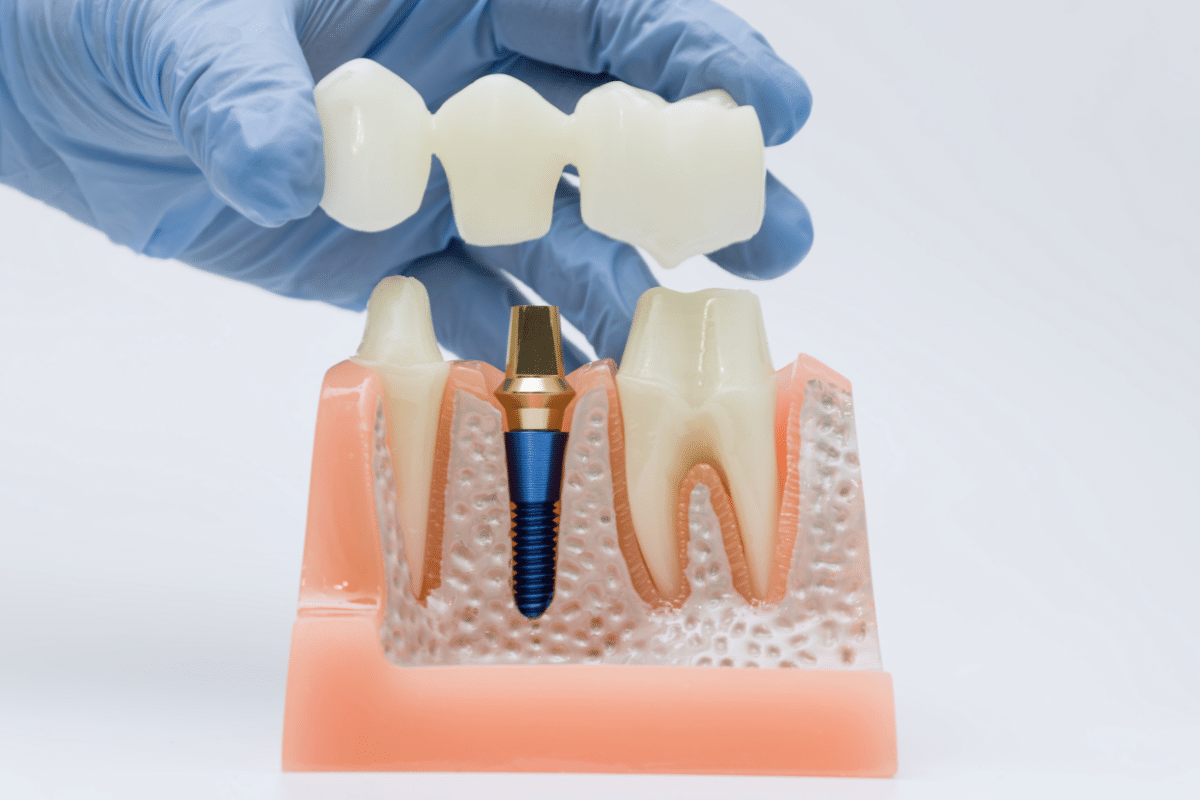
A dental crown is a cap placed over a damaged or weakened tooth. It restores the tooth’s shape, size, and strength. Crowns are used after root canals, to fix cracked teeth, to hold a dental bridge in place, or to cover a tooth that is badly worn down.
The process typically takes two visits. At the first visit, the tooth is prepared and a temporary crown is placed. At the second visit, the permanent crown is fitted and bonded. In some cases, same-day crowns are available using special in-office technology.
What Is a Temporary Crown?
A temporary crown is made in the dental office during your first appointment. It is usually made from acrylic or a composite resin material. It is not meant to last long, just a few weeks while your permanent crown is being made at a dental lab.
What a temporary crown does:
• Protects the prepared tooth from sensitivity
• Keeps nearby teeth from shifting
• Helps you chew and speak normally in the short term
• Gives a preview of how the final crown will look and feel
Temporary crowns are held in place with a weaker cement so they can be removed easily at your follow-up visit. Because of this, they need a little extra care.
Caring for a Temporary Crown
While wearing a temporary crown, keep these tips in mind:
• Avoid sticky or hard foods like caramel, gum, or hard candy
• Chew on the opposite side of your mouth when possible
• Brush gently around the crown
• Slide floss out from the side rather than lifting it up, to avoid dislodging the crown
If your temporary crown falls off, call your dentist right away. Leaving the tooth exposed can cause pain and shifting.
What Is a Permanent Crown?
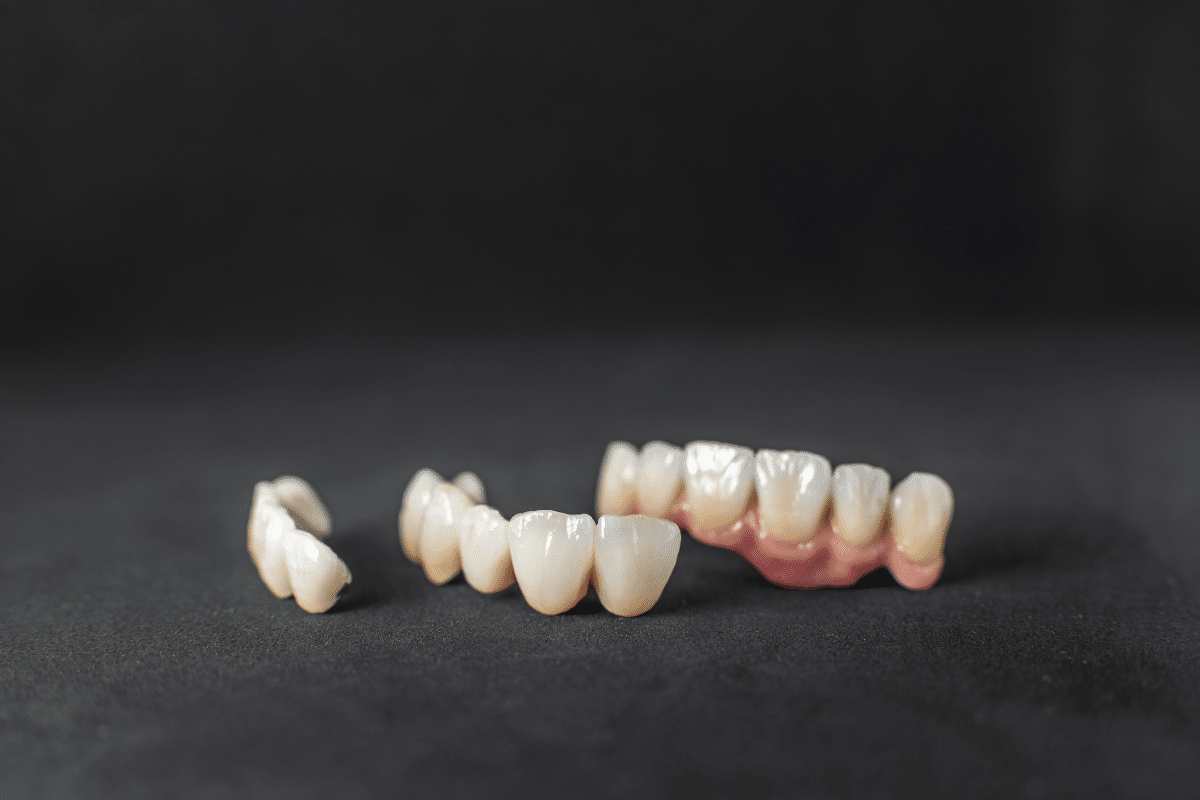
A permanent crown is custom-made to fit your tooth exactly. It is crafted in a dental lab using detailed impressions of your mouth. Common materials include porcelain, ceramic, metal alloys, or a mix of porcelain and metal.
Permanent crowns are bonded with strong dental cement and are built to last. With proper care, a well-placed crown can last 10 to 15 years or even longer.
Side-by-Side Comparison
Here is a quick look at how the two types compare:
• Material: Temporary crowns use acrylic or composite. Permanent crowns use porcelain, ceramic, or metal.
• Durability: Temporary crowns last a few weeks. Permanent crowns last 10 to 15+ years.
• Fit and appearance: Permanent crowns are custom-shaped and color-matched to blend with your natural teeth.
• Cement used: Temporary crowns use weak cement for easy removal. Permanent crowns use strong bonding cement.
Both types serve a purpose at different stages of treatment. One cannot replace the other.
| Feature | Temporary Crown | Permanent Crown |
| Purpose | Protects while lab makes the final crown | Long-term restoration |
| Material | Acrylic or composite resin | Porcelain, ceramic, or metal |
| Lifespan | 2 to 3 weeks | 10 to 15+ years |
| Fit and Appearance | Basic shape, may not match color | Custom-shaped and color-matched |
| Cement Used | Weak, removable cement | Strong bonding cement |
| Strength | Fragile; food restrictions apply | Durable; handles normal chewing |
| Cost | Included in procedure | Varies by material and insurance |
| Made In | Dental office at first visit | Dental lab (or in-office CAD/CAM) |
| Diet Restrictions | Yes; avoid sticky/hard foods | None |
| Replacement Needed | Yes; replaced at second visit | No, unless damaged over time |
Finding the Right Care in Your Area
Las Vegas and its surrounding neighborhoods have no shortage of dental offices. From Summerlin to Henderson to North Las Vegas, residents have access to many providers. When someone types a dentist near me into a search engine, dozens of options come up. So how do you choose?
Look for a practice that takes time to explain your treatment plan, uses updated equipment, and has strong patient reviews. Location matters too, since convenience helps people actually follow through with their appointments. At Summerlin Smiles, patients receive personalized attention and honest guidance at every stage of their crown treatment. Our team is familiar with the concerns that local patients bring in every day, from cost questions to anxiety about dental work.
Signs You Might Need a Crown
A dentist near me often follows a dental scare. Here are signs that a crown may be in your future:
• A cracked or chipped tooth that causes pain when chewing
• A tooth that has a large filling with little natural tooth remaining
• A tooth that had a root canal
• A severely worn-down tooth from grinding
• A discolored or misshapen tooth affecting your confidence
If any of these sound familiar, a visit to your dentist can confirm whether a crown is the right option. Early treatment usually means less work and lower cost in the long run.
Cost and Insurance Considerations
The cost of dental crowns las vegas can vary based on the material used, the complexity of the case, and whether you have dental insurance. Porcelain crowns tend to cost more than metal ones because of the materials and lab work involved.
Most dental insurance plans cover a portion of crown costs, especially when the crown is medically necessary. It is worth calling your insurance provider before your appointment to understand your benefits. Many dental offices, including Summerlin Smiles, can also help you review your coverage and discuss payment options.
How Long Does the Crown Process Take?
The standard process involves two visits spaced about two to three weeks apart. At the first visit, the dentist shapes the tooth, takes impressions, and places the temporary crown. At the second visit, the temporary is removed and the permanent crown is checked for fit and bonded in place.
Some practices now offer same-day crowns using CAD/CAM technology, which mills the crown in the office while you wait. Ask your dentist if this is an option at their practice.
When to Call Your Dentist Between Visits
Contact your dentist if you notice any of the following while wearing a temporary crown:
• The crown falls off or feels loose
• Increased pain or sensitivity that does not improve
• Swelling or soreness in the gum around the crown
• A bad taste or odor near the treated tooth
These can be signs of infection or a poor fit that needs to be addressed before your permanent crown is placed.
Making the Right Choice for Your Smile
Getting a dental crown is a common and well-understood procedure. The temporary crown bridges the gap between your tooth preparation and your final restoration. The permanent crown does the long-term work of protecting your tooth and restoring your bite.
If you are looking for quality care in the Las Vegas area, Summerlin Smiles is here to help. Our team works with patients at every stage of the crown process, from the first exam to the final fitting. We know that searching for a dentist near me can feel overwhelming with so many options around. Our goal is to make the process clear, comfortable, and stress-free.
Whether you are a new patient or have been thinking about getting treatment for a while, now is a good time to take that step. We welcome patients from Summerlin, the greater Las Vegas valley, and all surrounding neighborhoods.
Schedule a consultation with Summerlin Smiles today. Call our office or book online to get started. If you are already searching for a dentist near me, your search ends here. We are ready to take care of your smile.
Frequently Asked Questions
1. How long can I keep a temporary crown?
Temporary crowns are designed to last two to three weeks. In some cases they can hold up a bit longer, but they should not be left in place for more than a month. Extended use can lead to decay, gum irritation, or tooth shifting.
2. Does getting a crown hurt?
The procedure is done under local anesthesia, so most patients feel little to no pain during the appointment. Some sensitivity or mild soreness after the numbing wears off is normal and usually goes away within a day or two.
3. Can a permanent crown fall off?
It is uncommon but possible. A permanent crown may loosen if the cement breaks down over time, if the tooth beneath it decays, or if there is an injury to the mouth. If your crown feels loose or falls off, contact your dentist right away.
4. What material is best for a crown?
The best material depends on where the tooth is located and your personal needs. Porcelain or ceramic crowns are ideal for front teeth because they blend with natural teeth. Metal crowns are strong and better suited for back teeth. Your dentist can help you decide based on your bite, budget, and esthetics.
5. Is a crown the same as a cap?
Yes. The terms crown and cap refer to the same thing. A crown covers the entire visible part of the tooth above the gum line, restoring its function and appearance.
6. How do I clean a permanent crown?
Brush twice a day and floss daily, including around the crown. Pay attention to the gum line where the crown meets the tooth. While the crown itself cannot decay, the tooth beneath it and the surrounding gum tissue still need regular care.
7. Do I need a crown after a root canal?
In most cases, yes. A root canal removes the inner pulp of the tooth, which can make it more brittle and prone to cracking. A crown provides the structural support needed to protect the tooth and restore full chewing function.
8. What happens if I delay getting my permanent crown?
Delaying can cause problems. The temporary crown may break or fall off, leaving the tooth exposed. Nearby teeth can shift, making the final crown harder to fit. It is best to get your permanent crown placed within the timeframe your dentist recommends.