Request An Appointment
Moving from Dentures to Implants: A Life-Changing Transition



If you have been wearing dentures for a while, you already know the routine. The adhesives, the nightly removal, the small moments of anxiety when you bite into something firm or laugh a little too freely. Many people reach a point where they start wondering if there is a better way. For a growing number of patients, dental implants Las Vegas has become the answer they were looking for. The transition is more straightforward than most people expect, and the results tend to speak for themselves.
Why Dentures Stop Working Well Over Time
Dentures were designed as a practical fix for missing teeth. For many years, they were the most accessible option available. But they come with real limitations that show up over time.
The jawbone underneath a denture slowly shrinks when there are no tooth roots to stimulate it. This is called bone resorption, and it is a natural process that happens whenever a tooth is missing. As the bone changes shape, the denture that once fit well starts to feel loose. Sore spots develop. Eating becomes harder. Some people quietly stop eating certain foods. Others stop smiling as freely as they once did.
These are not minor inconveniences. They affect daily life in ways that add up, meal by meal and year by year.
What Dental Implants Actually Do
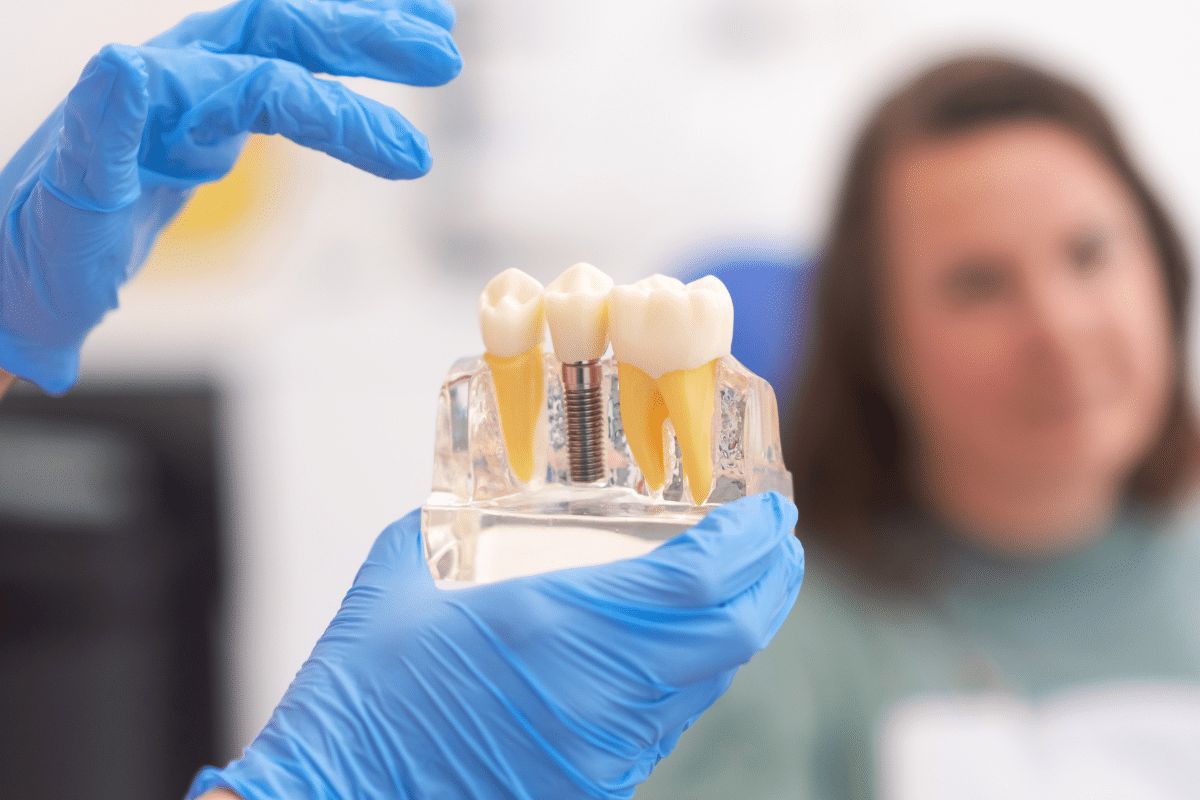
A dental implant is a small titanium post placed into the jawbone where a tooth root once was. Over a few months, the bone grows around it in a process called osseointegration. Once healing is complete, a custom crown is attached on top. The result looks and functions like a natural tooth.
Because the implant acts as an artificial root, it stimulates the bone and stops the shrinkage that happens with dentures. Your jaw stays fuller, your facial shape is preserved, and the implant does not shift or slip. You brush it, floss around it, and stop thinking about it, which is exactly the point.
People who come in asking about dental implants Las Vegas often arrive with years of denture frustration behind them. Many say they wish they had explored this option sooner.
Comparing the Two Options
Dentures are removable. They rely on suction, adhesive, or clasps to stay in place. They need to come out at night, be cleaned separately, and be replaced every few years as fit continues to change. Over a decade, the ongoing costs of replacements, adjustments, and adhesives add up.
Implants are fixed. They stay in your mouth at all times, require no adhesive, and do not need overnight soaking. With proper care, they can last a lifetime. The upfront investment is higher, but the long-term picture is different.
Implant-supported dentures are also worth knowing about. A few strategically placed implants anchor a full arch of teeth in place, combining the stability of implants with a more accessible total cost. This works well for people who need a full-mouth solution.
Who Is a Good Candidate
Most healthy adults qualify for dental implants. The main requirements are adequate bone density in the jaw and reasonably healthy gums. If bone loss from years of denture wear has reduced available bone, a graft may be needed first. This is a routine step that adds some time but does not rule anyone out.
People managing conditions like diabetes or heart issues can often still receive implants, as long as those conditions are stable and your medical provider is in the loop. Smoking, untreated gum disease, and certain medications can affect healing, so being upfront with your dental team from the start gives your treatment the best foundation.
The Process from Start to Finish
The first step is a consultation with imaging. Your dentist will take X-rays or a 3D scan to assess your bone structure and oral health, then build a treatment plan around your specific needs.
Implant placement is done under local anesthesia. Most patients find the procedure far less uncomfortable than they anticipated. After placement, a healing period of a few months follows while the implant bonds with the bone. Once that is confirmed, the permanent crown goes on.
From first appointment to final crown, the process typically takes three to six months. Most of that time is healing, not active treatment. Your dentist will check in at each stage.
Life After the Switch
The changes people notice after getting implants tend to go beyond the physical. Eating becomes enjoyable again. Foods that had quietly fallen off the menu, things like apples, crusty bread, or a well-cooked steak, come back without hesitation. Talking feels natural. Smiling in photos stops being something to think twice about.
The daily routine gets simpler too. No removal, no overnight soaking, no adhesive. You brush and floss the same way you would with natural teeth.
Many patients say the biggest change is in their confidence. They stop worrying about their teeth during meals or conversations. That shift, while hard to measure, comes up consistently when people describe their experience.
Cost and Long-Term Value
The upfront cost of dental implants is higher than dentures. That is worth acknowledging clearly. But dentures need to be replaced every five to eight years. Adjustments, repairs, and adhesive costs are ongoing. Over a ten to fifteen year span, those costs close the gap considerably.
Many dental offices offer payment plans that spread the investment over time. It is worth asking about financing options during your consultation so you can make a fully informed decision.
A Note for Local Patients
Summerlin Smiles serves a community made up of people from all walks of life, many of whom have lived with dentures for years and simply never had a clear conversation about what else was possible. If that describes you, knowing your options is the most useful first step you can take.
Quality implant care is widely available today. If you have been searching for a dentist near me who focuses specifically on implant transitions and restorative work, a simple consultation can give you a full picture of where you stand and what your path forward looks like. There is no pressure in that conversation, only clarity.
Making the Choice
Switching from dentures to implants is a meaningful commitment, but one that most patients look back on without regret. The benefits are practical, not just cosmetic. They affect how your jaw ages, how you eat, and how you feel going about your day.
At Summerlin Smiles, we take a straightforward, honest approach. We look at what your situation actually calls for, explain the process clearly, and walk through costs before any decisions are made. If you have been looking for a dentist near me who handles this kind of transition with experience and care, we would be glad to be that resource.
Go ahead and schedule a consultation with Summerlin Smiles to find out whether dental implants Las Vegas are the right fit for your needs. You can also contact our Summerlin Smiles office with any questions you have. We are here to help you move forward with full confidence, at your own pace, on your own terms.
Frequently Asked Questions
1. Is the implant procedure painful?
Most patients are surprised by how manageable it is. Local anesthesia is used throughout, and over-the-counter pain relief is typically enough for the days after. Soreness usually clears up within a week.
2. How long does the full process take?
From the first consultation to the final crown, expect three to six months. The majority of that time is the healing phase, not active treatment.
3. Can I get implants after wearing dentures for many years?
Yes, in most cases. Long-term denture wearers may have some bone loss, which could call for a bone graft first. That adds time but does not disqualify you.
4. What is the difference between individual implants and implant-supported dentures?
Individual implants replace specific teeth with a crown on each post. Implant-supported dentures use a small number of implants to hold a full arch in place. The right choice depends on your needs and budget.
5. How do I care for implants?
Exactly like natural teeth. Brush twice a day, floss daily, and attend regular checkups. No special products or added steps are needed.
6. Does insurance cover the cost?
Coverage varies by plan. Some plans cover a portion of the cost. Most offices can review your benefits before treatment begins and discuss financing if needed.
7. Is there an age limit for getting implants?
There is no upper age limit. As long as you are in reasonable health and have adequate bone density, age alone is not a barrier. Many patients in their 70s and 80s receive implants successfully.
8. What if the implant does not bond properly with the bone?
Implant failure is uncommon. When it does happen, the area can heal and a new implant is often placed successfully. Your dentist monitors the healing process closely to catch any concerns early.