Book Online
The Dos and Don’ts of Post Dental Surgery Aftercare



If you’ve recently had a dental procedure, you already know that what happens after surgery matters just as much as the surgery itself. Whether it was a tooth extraction, implant placement, or gum surgery, proper aftercare can mean the difference between a smooth recovery and painful complications.
At Summerlin Smiles, we see patients every week who are surprised by how much their recovery depends on what they do at home. This guide walks you through exactly what to do and what to avoid so you heal faster and feel better sooner.
Why Aftercare Is More Important Than You Think
Dental surgery creates an open wound inside your mouth. Your mouth is home to millions of bacteria, which means that wound needs extra attention. Poor aftercare can lead to dry socket, infection, prolonged bleeding, or delayed healing. None of those are fun.
The good news? Most complications are preventable. Following the right steps at home gives your body the best chance to heal properly. If you’re ever unsure about something, a trusted dentist in Las Vegas can walk you through personalized instructions based on your specific procedure.
The Dos: What You Should Be Doing
Do Follow Your Dentist’s Instructions First
This sounds obvious, but it’s the most skipped step. Your dentist gives you aftercare instructions specific to your procedure, your health history, and your healing timeline. Read them. Follow them. Keep them handy for the first few days.
Do Manage Bleeding with Gentle Pressure
After surgery, some bleeding is normal. Bite down gently on a clean gauze pad for 30 to 45 minutes. If bleeding continues, replace the gauze and bite down again. Avoid spitting forcefully, as that can disturb the clot.
Do Use Ice Packs for Swelling
Swelling usually peaks around 48 to 72 hours after surgery. Apply an ice pack to the outside of your cheek for 20 minutes on, then 20 minutes off during the first day. This helps reduce swelling and keeps discomfort manageable.
Do Eat Soft Foods
Stick to soft, easy-to-chew foods for at least the first few days. Think mashed potatoes, scrambled eggs, yogurt, soup (not too hot), and smoothies. These are gentle on the surgical area and won’t disturb healing tissue.
Do Stay Hydrated
Drink plenty of water. Staying hydrated supports healing and keeps your mouth clean. Just make sure you’re sipping, not using a straw (more on that below).
Do Keep Your Head Elevated
When resting or sleeping, prop your head up with an extra pillow. Keeping your head elevated reduces blood pressure in the surgical area, which helps control swelling and bleeding.
Do Rinse Gently After 24 Hours
After the first 24 hours, rinse your mouth gently with warm salt water (half a teaspoon of salt in 8 ounces of warm water). Do this two to three times a day, especially after meals. It helps keep the area clean without irritating the wound.
The Don’ts: What You Need to Avoid
Don’t Use a Straw
This is one of the most important rules after any oral surgery, especially a tooth extraction. Sucking through a straw creates suction inside your mouth. That suction can pull out the blood clot that forms in the socket. Losing that clot leads to dry socket, which is very painful and slows healing significantly.
Don’t Smoke
Smoking is one of the top causes of complications after dental surgery. The chemicals in cigarettes slow healing, and the act of smoking creates the same suction effect as using a straw. If you smoke, try to hold off for at least 72 hours, though longer is always better.
Don’t Eat Hard, Crunchy, or Spicy Foods
Chips, crackers, nuts, spicy sauces, and similar foods can irritate or even physically damage the healing tissue. Stick to soft foods until your dentist clears you to go back to your normal diet.
Don’t Poke the Area
It’s tempting to check the surgical site with your tongue or finger. Don’t do it. Poking or pressing the area disturbs the clot and introduces bacteria. Let it heal without interference.
Don’t Rinse Forcefully in the First 24 Hours
Your body forms a blood clot in the first 24 hours after surgery. Rinsing too hard or too soon can knock that clot loose. Wait a full day before rinsing, and even then, keep it very gentle.
Don’t Skip Your Prescribed Medication
If your dentist prescribed antibiotics or pain relievers, take them as directed. Don’t stop antibiotics early just because you feel better. Stopping too soon can allow bacteria to bounce back.
Don’t Ignore Warning Signs
Some discomfort is expected, but certain symptoms need prompt attention. Reach out to your dental provider right away if you notice:
- Severe pain that gets worse after a few days (not better)
- A bad taste or smell coming from the surgical area
- Fever above 101°F
- Heavy bleeding that doesn’t stop with pressure
- Swelling that keeps getting worse after 72 hours
If you’re in the Las Vegas area and notice any of these signs, a local dentist in Las Vegas can assess the situation quickly. Don’t wait it out.
Tips Specific to Common Procedures
Tooth Extraction: Avoid chewing on the side where the tooth was removed. Keep the socket clean with salt water rinses after 24 hours. Watch for signs of dry socket (sudden sharp pain a few days after surgery).
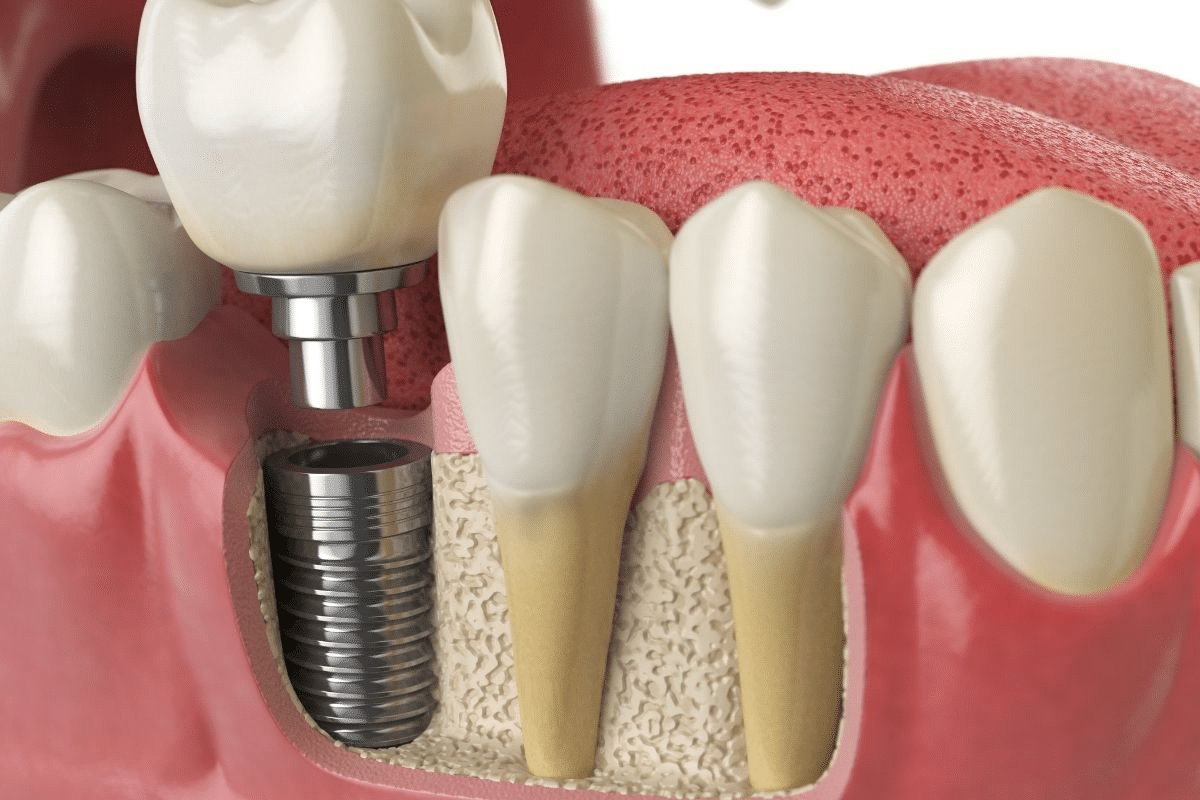
Dental Implants: Avoid putting pressure on the implant site while eating. Follow a soft food diet for longer than a regular extraction. Bone needs time to grow around the implant.
Gum Surgery: Be extra careful when brushing near the surgical site. Use a soft-bristled toothbrush and avoid the area until your dentist says it’s safe to clean there directly.
Frequently Asked Questions
1. How long does recovery from dental surgery usually take?
Most people feel significantly better within three to five days. Full tissue healing can take two to four weeks depending on the procedure.
2. Is it normal to feel pain a few days after surgery?
Mild discomfort is expected. Pain that gets worse after three days (rather than better) should be checked by a dental professional.
3. Can I brush my teeth after surgery?
Yes, but carefully. Brush your other teeth as normal. Avoid the surgical site directly for at least the first day or two, then clean it very gently.
4. What is dry socket and how do I know if I have it?
Dry socket happens when the blood clot in the extraction site is lost or dissolves early. Signs include severe pain that starts two to three days after surgery and sometimes a bad odor. Contact your dental office right away if this happens.
5. Can I drink coffee or tea after dental surgery?
Avoid hot drinks for the first 24 hours. Hot liquids can dissolve the blood clot. Lukewarm or cool drinks are fine after the first day.
6. When can I return to work after dental surgery?
Many people return to desk jobs within one to two days. Physical or demanding jobs may require more time off. Ask your dentist based on your procedure.
7. Can I exercise after dental surgery?
Avoid strenuous physical activity for at least 48 to 72 hours. Exercise raises blood pressure, which can increase bleeding and swelling.
8. What foods are safe to eat right after surgery?
Good options include yogurt, applesauce, smoothies, mashed potatoes, oatmeal, and soup at room temperature. Avoid anything hard, crunchy, or chewy.
Conclusion
Recovery after dental surgery doesn’t have to be stressful. When you know the right steps to take and the things to avoid, healing goes much more smoothly. The key is to follow instructions closely, take it easy for the first few days, and pay attention to how your body feels. If something doesn’t feel right during your recovery, don’t wait to get answers. Searching for a dentist near me is a great way to find quick, local help. Getting timely care prevents small issues from turning into bigger ones.
At Summerlin Smiles, we’re here to support you through every step of your dental care journey, from your first visit to your full recovery. Whether you have questions after a procedure or want to schedule preventive care, we make it easy to get the help you need. If you’re looking for a dentist in Las Vegas you can trust, we’d love to be your go-to dental home.
Ready to take the next step in your dental health? Schedule a consultation with Summerlin Smiles today, or contact our Summerlin Smiles office to ask any recovery questions you may have. We’re always happy to help.