Book Online
How Invisible Aligners Actually Move Teeth Without Metal Hardware



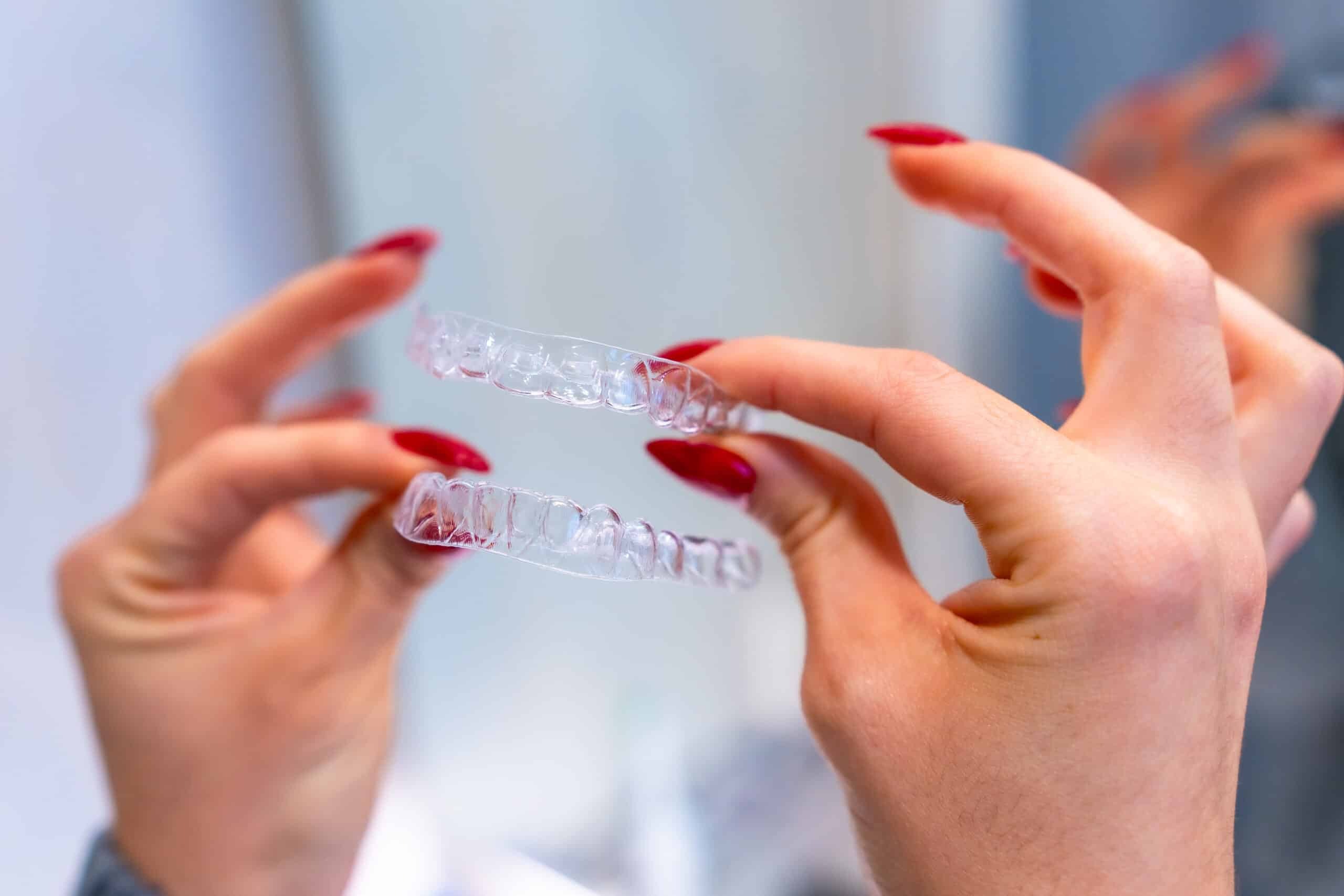
When you think about straightening teeth, metal brackets and wires probably come to mind. But clear aligners work differently. They shift your teeth using steady, gentle pressure through custom-made plastic trays. No metal. No wires. Just clear plastic that fits over your teeth.
The science behind this method is fascinating. Understanding how it works can help you decide if clear aligners are right for you.
The Basic Science of Tooth Movement
Your teeth aren’t stuck in solid bone like posts in concrete. They sit in sockets surrounded by a soft tissue called the periodontal ligament. This tissue acts like a cushion between your tooth root and the bone.
When you apply steady pressure to a tooth, the ligament compresses on one side and stretches on the other. Your body responds to this pressure in a remarkable way. Cells called osteoclasts break down bone on the compressed side, while cells called osteoblasts build new bone on the stretched side.
This process happens slowly over weeks and months. Your tooth gradually shifts into its new position. The bone remodels around it, creating a stable new home for the tooth.
How Clear Aligners Apply Pressure
Each aligner in your treatment series is slightly different from the last. The plastic is shaped to move specific teeth in specific directions. When you snap an aligner onto your teeth, it doesn’t fit perfectly at first. The aligner wants to return to its programmed shape, and this creates pressure on your teeth.
The aligner pushes or pulls each tooth toward its ideal position. You wear each tray for about one to two weeks, depending on your treatment plan. Then you switch to the next aligner in the series, which continues the movement.
Most people wear their aligners for 20 to 22 hours per day. You only remove them to eat, drink anything besides water, and brush your teeth. This constant pressure is what makes the treatment work.
The Technology Behind Treatment Planning
Before you get your first aligner, your provider takes detailed images of your teeth. Many offices now use 3D scanners instead of traditional impressions. These scanners create a digital model of your entire mouth.
Specialized software analyzes this model and creates a treatment plan. The program maps out how each tooth needs to move from its current position to its final position. It breaks this journey into small steps. Each step becomes one aligner in your series. You might need anywhere from 10 to 50 aligners, depending on how much correction you need. Complex cases sometimes require more.
The software also identifies which movements should happen first and which should happen later. Some teeth need to shift before others can move. This sequencing is crucial for getting good results. When you’re exploring Invisalign Las Vegas providers, ask to see a digital preview of your treatment plan so you can visualize the entire process from start to finish.
Types of Tooth Movements
Clear aligners can perform several types of movements. Understanding these helps explain why treatment takes time.
Tipping involves tilting a tooth forward or backward. This is one of the easiest movements and usually happens quickly.
Rotation means turning a tooth around its vertical axis. Round teeth rotate more easily than square or rectangular ones.
Extrusion pulls a tooth out of the gum slightly.
Intrusion pushes it deeper into the gum. Both movements happen slowly because they require significant bone remodeling.
Translation shifts the entire tooth sideways without tilting it. This bodily movement is more complex and takes longer than simple tipping.
Your treatment plan combines these movements in a careful sequence. The aligners might tip some teeth while rotating others at the same time.
Attachments and Their Role
Many patients need small tooth-colored bumps bonded to certain teeth. These are called attachments or buttons. They’re made of composite resin, the same material used for tooth-colored fillings.
Attachments give the aligner something to grip. They help apply pressure in specific directions that would be difficult with smooth plastic alone. For example, rotating a canine tooth often requires an attachment.
Your provider places these attachments precisely according to your treatment plan. They’re designed to work with the shape of your aligners. When you take your aligner out, you can see and feel the attachments, but they’re hardly noticeable to others.
At the end of treatment, your provider removes all attachments. The process is simple and doesn’t damage your tooth enamel.
Why Rubber Bands Sometimes Help
Some cases need a little extra help. Your provider might ask you to wear small rubber bands between your upper and lower teeth. These elastics help correct your bite by pulling your jaws into better alignment.
The bands hook onto small buttons attached to specific teeth or onto cut-outs in your aligners. You remove them when you eat, then put in fresh ones.
Wearing elastics as directed is important. They work together with your aligners to create the right pressure patterns. A dentist Las Vegas who specializes in clear aligner therapy can explain exactly how elastics will help your particular case and demonstrate the proper way to attach them.
The Importance of Compliance
Invisalign only work if you actually wear them. Missing hours here and there might seem harmless, but it adds up. If you wear your aligners for only 16 hours a day instead of 22, you’re losing more than a quarter of your treatment time.
Teeth have memory. If you leave aligners out too long, your teeth start drifting back toward their original positions. When you put the aligner back in, it might not fit well. This can slow your progress or require you to go back to a previous aligner.
Tracking apps and phone reminders can help you stay consistent. Some aligner systems even include compliance indicators that fade with wear, showing your provider whether you’re wearing them enough.
What Happens After Your Teeth Are Straight
Once your teeth reach their final positions, you’re not quite done. Your teeth want to drift back to where they started. This tendency is called relapse.
Retainers prevent relapse. Most people wear a retainer full-time for a few months after finishing aligners. Then they switch to wearing it at night only.
Your bone and ligaments need time to stabilize around your teeth in their new positions. This takes several months. Skipping retainer wear during this period can undo your results.
Why Some Cases Need Traditional Braces Instead
Clear aligners work well for many situations, but they’re not right for everyone. Severe bite problems sometimes need the stronger force that brackets and wires provide. Very short teeth might not hold aligners securely. Large gaps or severe crowding can be challenging.
Teeth that need significant vertical movement, like pulling an impacted tooth into position, often do better with traditional braces. The decision depends on your specific situation. An experienced provider can evaluate your case and recommend the best approach for your smile goals.
Local Considerations for Treatment Success
Living in the Southwest comes with unique factors that affect oral health.
The dry climate can cause mouth dryness, which increases cavity risk. When you wear aligners most of the day, saliva can’t wash over your teeth as easily. This makes excellent oral hygiene even more important.
Drinking plenty of water helps. Las Vegas tap water contains fluoride, which strengthens tooth enamel. Staying hydrated also helps your mouth produce enough saliva to protect your teeth.
The active lifestyle many people enjoy here means thinking ahead. Pack your aligner case when you go hiking, visit Lake Mead, or spend time at Red Rock Canyon. Having your case prevents you from wrapping aligners in a napkin, which often leads to accidentally throwing them away.
Local dental practices understand these considerations and can offer specific advice for maintaining healthy teeth during treatment. Many people choosing Invisalign Las Vegas offices provide have found that providers familiar with the desert climate offer helpful tips about managing dry mouth and protecting aligners from heat damage during outdoor activities.
Common Questions About Clear Aligners
1. How long does treatment typically take?
Most cases take 12 to 18 months. Simple corrections might finish in six months. Complex cases can take two years or longer. Your specific timeline depends on how much your teeth need to move.
2. Do aligners hurt?
You’ll feel pressure and soreness, especially when switching to a new aligner. Most people describe it as uncomfortable rather than painful. The discomfort usually fades after a day or two. Over-the-counter pain relievers help if needed.
3. Can I eat whatever I want?
You remove aligners before eating, so there are no food restrictions. However, you should brush your teeth before putting aligners back in. Wearing aligners with food particles trapped underneath can cause cavities.
4. What if I lose an aligner?
Contact your provider right away. They might tell you to move to your next aligner early, go back to your previous one, or order a replacement. Don’t skip wearing aligners while waiting.
5. Will aligners affect my speech?
Some people notice a slight lisp for the first few days. Your tongue needs to adjust to having plastic over your teeth. Most patients adapt quickly and speak normally within a week.
6. Can I drink coffee or tea while wearing aligners?
Hot beverages can warp the plastic. Colored drinks can stain clear aligners. Stick to room temperature water when your aligners are in. Remove them for coffee, tea, or any other beverage.
7. How often do I need dental visits during treatment?
Most providers want to see you every six to eight weeks. These quick visits let them check your progress and give you your next sets of aligners. Some practices now use virtual check-ins between office visits.
8. Are clear aligners visible in photos?
Aligners are nearly invisible in person and in photos. Most people won’t notice you’re wearing them unless you tell them. This discretion is one of the main benefits compared to metal braces.
Conclusion
Clear aligners represent a major commitment of time and money. They require discipline to wear consistently and maintain good oral hygiene. But for many people, the results are worth the effort. The best way to know if this treatment fits your needs is to talk with a qualified provider who can examine your teeth, discuss your goals, and explain what results you can realistically expect. Whether you’re considering Invisalign Las Vegas practices offer or exploring other treatment methods, professional guidance helps you understand all your options based on your unique dental situation.
If you’re ready to take the next step toward a straighter smile, schedule a consultation with a trusted dentist Las Vegas or in your local area. Getting personalized advice goes beyond what you can learn online and helps you make an informed choice. When you contact a local dental office to schedule a consultation, you’re moving closer to the smile you’ve always wanted. Your transformation might be simpler than you think.