Request An Appointment
Understanding the Sedation Process During Your Implant Procedure



Getting dental implants can feel like a big step, especially if you’re nervous about the procedure itself. If you’re considering las vegas dental implants, you’re probably wondering what to expect when it comes to staying comfortable during surgery. The good news? Modern sedation options make the entire experience manageable and stress-free.
Let’s walk through everything you need to know about sedation during dental implant procedures so you can approach your appointment with confidence.
Why Sedation Matters for Dental Implants
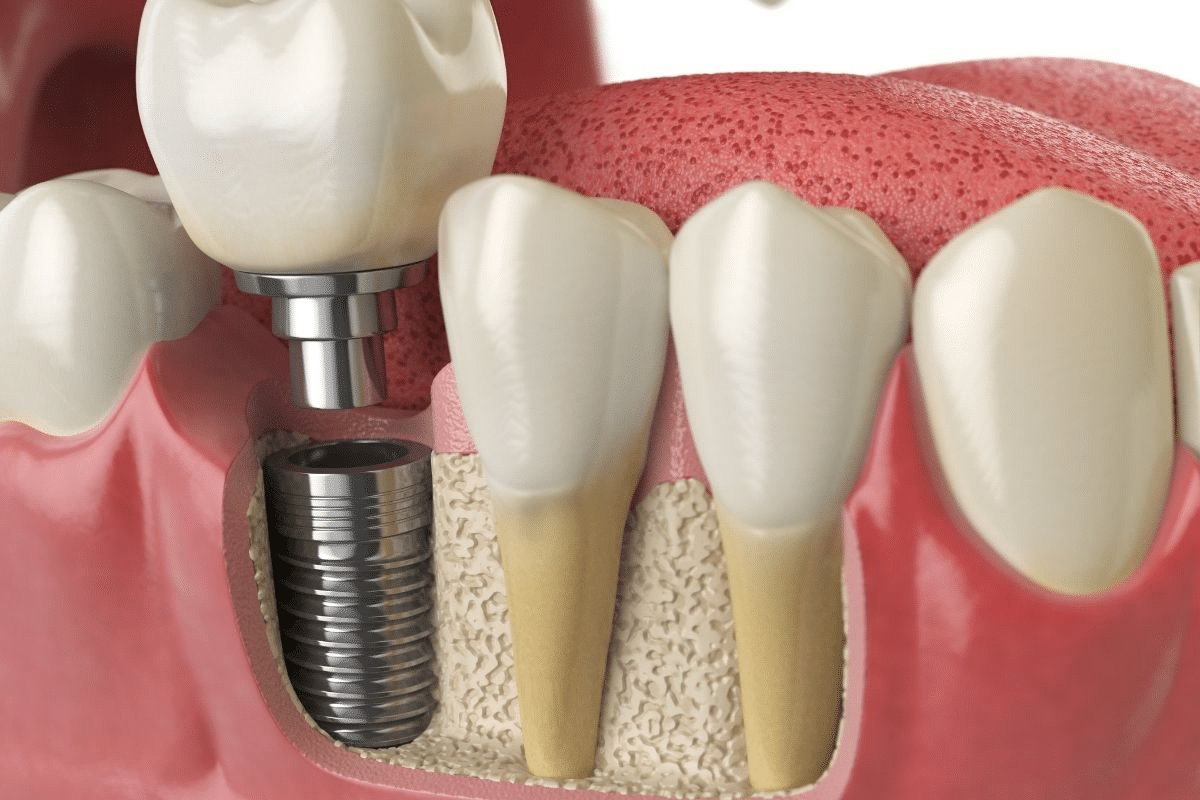
Dental implant surgery involves placing titanium posts into your jawbone to support artificial teeth. While this sounds intense, sedation ensures you stay relaxed and pain-free throughout the process. Many patients report feeling little to no discomfort during their procedure when proper sedation is used.
Your comfort level matters. A good dentist las vegas will discuss sedation options with you before the surgery, taking into account your medical history, anxiety levels, and the complexity of your case.
Types of Sedation Available
Local Anesthesia
This is the baseline for all Las Vegas dental implant procedures. Your dentist numbs the specific area where they’ll work using an injection. You stay fully awake and aware, but you won’t feel pain in the treatment area. Local anesthesia works well for patients with minimal anxiety who are getting just one or two implants.
Nitrous Oxide (Laughing Gas)
Nitrous oxide is a mild sedative you breathe through a mask over your nose. It helps you feel calm and relaxed while remaining conscious. The effects wear off quickly after the mask is removed, so you can often drive yourself home. This option suits patients who feel nervous but don’t need deep sedation.
Oral Sedation
Your dentist gives you a pill to take about an hour before your appointment. This medication makes you drowsy and relaxed, though you’ll still be awake enough to respond to questions. The level of sedation depends on the dosage. You’ll need someone to drive you to and from the appointment since the effects can last several hours.
IV Sedation
Intravenous sedation delivers medication directly into your bloodstream, allowing your dentist to adjust the sedation level throughout the procedure. You’ll be in a deeply relaxed state and probably won’t remember much about the surgery. This option works best for complex cases or patients with severe dental anxiety. You must arrange transportation home afterward.
General Anesthesia
This puts you completely asleep during the procedure. It’s typically reserved for extensive implant work, patients with special needs, or those with extreme anxiety. An anesthesiologist monitors you throughout the surgery. Recovery takes longer, and you’ll need someone to stay with you for several hours after you get home.
What Happens Before Sedation
Your dental team will review your medical history, current medications, and any allergies. Be honest about everything, including recreational substances, because they can interact with sedation medications.
You’ll receive specific instructions about eating and drinking before your appointment. Most sedation types require fasting for several hours beforehand. Follow these guidelines carefully to avoid complications.
For those seeking las vegas dental implants, many practices offer pre-procedure consultations where you can ask questions and voice concerns about sedation.
During Your Procedure
Once sedation takes effect, your dentist begins the implant procedure. The surgical team monitors your vital signs throughout, including heart rate, blood pressure, and oxygen levels. Even under sedation, your safety remains the top priority.
The procedure duration varies based on how many implants you’re getting, but most single implant surgeries take 1-2 hours. More complex cases may take longer.
After the Sedation Wears Off
Recovery from sedation depends on which type you received. Nitrous oxide wears off within minutes, while IV sedation or general anesthesia may leave you groggy for several hours.
Common temporary side effects include:
- Drowsiness or fatigue
- Mild nausea
- Dry mouth
- Slight confusion or memory gaps about the procedure
These effects are normal and fade as the medication leaves your system. Your dentist will provide detailed aftercare instructions, including when you can eat, drink, and return to normal activities.
Choosing the Right Sedation for You
Every patient is different. Your ideal sedation type depends on several factors:
Anxiety level: Higher anxiety may require deeper sedation. Procedure complexity: Multiple implants often need more substantial sedation. Medical conditions: Certain health issues affect which sedation options are safe. Personal preference: Some people prefer being fully aware while others want to remember nothing.
A qualified dentist las vegas will help you choose the best option for your specific situation.
Safety and Monitoring
Modern sedation dentistry is extremely safe when performed by trained professionals. Your dental team has extensive training in sedation techniques and emergency protocols. They use advanced monitoring equipment to track your vital signs continuously.
Before your procedure, verify that your dental practice has proper certifications and equipment for the sedation type you’ll receive.
Read More: 8 Reasons to Consider Sedation Dentistry
Frequently Asked Questions
1. Can I eat before my implant procedure?
It depends on your sedation type. Local anesthesia only usually allows normal eating, but IV sedation or general anesthesia requires fasting for 6-8 hours beforehand.
2. Will I feel pain during the procedure?
No. The combination of local anesthesia and sedation ensures you remain comfortable. You might feel pressure but not pain.
3. How long does sedation last?
Nitrous oxide wears off in minutes. Oral sedation can last 2-6 hours. IV sedation effects may linger for several hours, and general anesthesia recovery can take most of the day.
4. Can I drive myself home?
Only if you received local anesthesia alone or nitrous oxide. All other sedation types require someone else to drive you home.
5. Is sedation dentistry safe for everyone?
Most people can safely receive sedation, but certain medical conditions require extra precautions. Discuss your complete medical history with your dentist.
6. What if I’m really scared of needles?
Tell your dentist. They can apply numbing gel before injections or start with nitrous oxide to help you relax before any needles are used.
7. How much does sedation cost?
Costs vary by type. Local anesthesia is usually included in the procedure cost. Nitrous oxide, oral sedation, and IV sedation typically cost $200-$600 extra, depending on your location and provider.
Ready to Take the Next Step?
Understanding the sedation process helps remove the mystery and fear around dental implant surgery. With the right sedation option and a skilled dental team, your experience can be comfortable and stress-free.
Don’t let anxiety prevent you from getting the smile you deserve. If you’re ready to move forward with las vegas dental implants, now is the time to schedule a consultation with a qualified dentist in Las Vegas professional. They’ll evaluate your needs, explain your sedation options in detail, and create a personalized treatment plan.
Take control of your dental health today. Contact a local dental office to discuss how sedation can make your implant procedure smooth and comfortable. Your new smile is closer than you think.