Book Online
Major Key Factors That Make a Patient Suitable for Dental Implants



Losing a tooth can affect more than just your smile. It impacts how you eat, speak, and feel about yourself. Dental implants offer a lasting solution, but not everyone qualifies right away. Understanding what makes someone a good candidate helps patients and dental professionals make better decisions.
What Are Dental Implants?
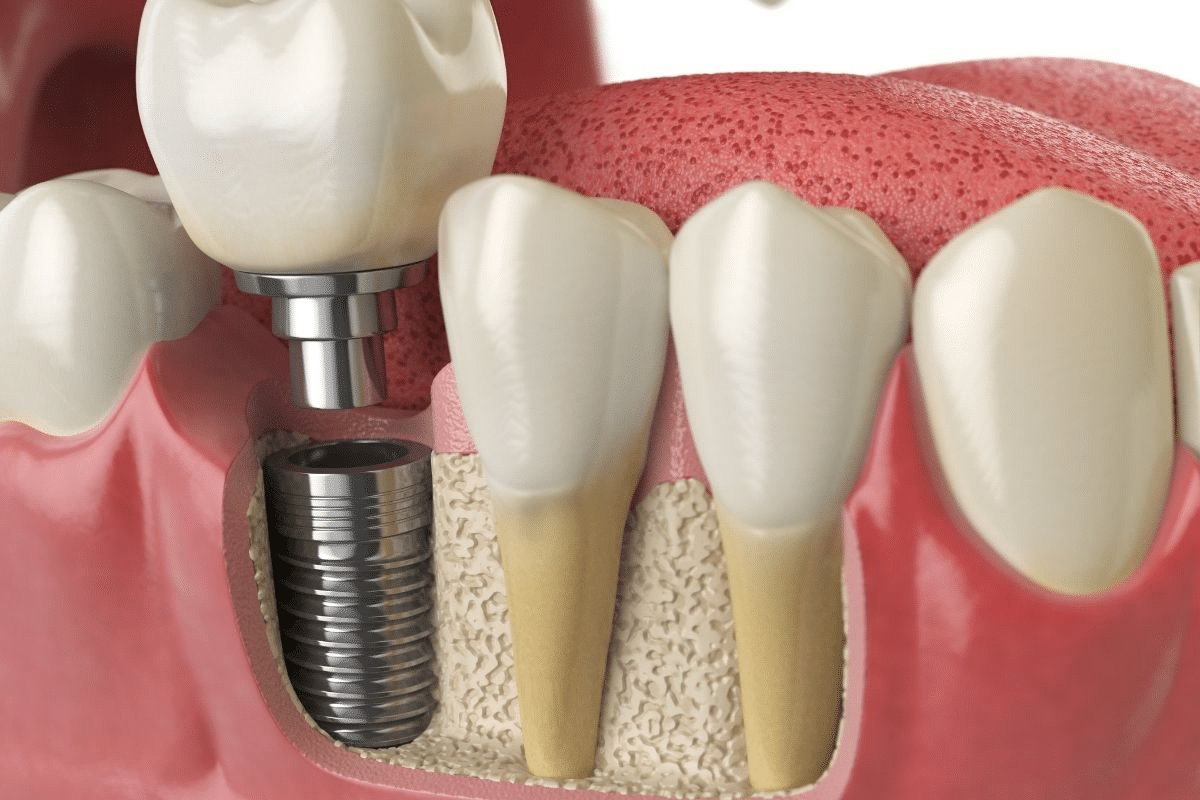
Dental implants are titanium posts surgically placed into the jawbone. They act as artificial tooth roots that support crowns, bridges, or dentures. According to the American Academy of Implant Dentistry, over 3 million people in the U.S. currently have implants, and that number grows by 500,000 each year.
The success of dental implants las vegas patients receive depends on several health and lifestyle factors. Let’s explore what dental professionals look for when evaluating candidates.
Adequate Bone Density and Volume
Your jawbone needs enough strength and mass to hold an implant securely. When you lose a tooth, the bone in that area starts to shrink over time. This happens because there’s no tooth root to stimulate the bone.
Dentists use X-rays or CT scans to check bone quality. If your bone is too thin or weak, you might need a bone graft first. This procedure adds bone material to the jaw, creating a solid foundation. While this adds time to treatment, it improves success rates significantly.
Good Overall Health Status
Your general health plays a big role in implant success. The procedure involves minor surgery, so your body needs to heal properly. Patients with uncontrolled diabetes, active cancer treatment, or severe immune disorders may face complications.
That doesn’t mean you’re automatically disqualified. Many health conditions can be managed with proper care. Work closely with both your dentist and primary doctor to prepare your body for the procedure. According to research published in the Journal of Oral Implantology, coordinated care between medical and dental teams improves patient outcomes.
Healthy Gums and Oral Tissues
Your gums provide the seal that protects the implant from bacteria. Active gum disease (periodontitis) must be treated before placing implants. Infected gums can cause implant failure.
Dental professionals treating patients seeking las vegas dental implants will perform a thorough gum evaluation. They’ll check for inflammation, bleeding, and pocket depths. If gum disease is present, treatment comes first. This might include deep cleanings, antibiotics, or other therapies.
Once your gums are healthy, the implant has a much better chance of success. Good oral hygiene after placement is just as important for long-term results.
Non-Smoking Status or Willingness to Quit
Smoking is one of the biggest risk factors for implant failure. Tobacco restricts blood flow to the gums and slows healing. It also weakens your immune response, making infections more likely.
Studies show that smokers have implant failure rates two to three times higher than non-smokers. If you smoke, your dentist will likely recommend quitting before the procedure. Even cutting back helps, but stopping completely gives you the best odds.
Many dental practices offer resources or referrals to help patients quit. The benefits extend beyond your implants to your overall health.
Age and Jaw Growth Completion
Dental implants work best in adults whose jaws have finished growing. For most people, this happens around age 18 to 21. Placing implants before growth is complete can cause problems as the jaw continues to develop.
There’s no upper age limit for implants. Older adults can be excellent candidates if they meet the other health requirements. Age alone doesn’t disqualify anyone from treatment.
Commitment to Oral Hygiene
Implants require the same care as natural teeth. You’ll need to brush twice daily, floss, and visit your dentist regularly. Poor oral hygiene can lead to peri-implantitis, an infection around the implant that can cause bone loss.
Your dental team will explain proper cleaning techniques. Some patients need special tools like interdental brushes or water flossers. The time investment is small compared to the benefits of a lasting smile.
Realistic Expectations
Understanding what implants can and cannot do is important. They look and function like natural teeth, but the process takes time. From initial consultation to final restoration, treatment can span several months.
Patients should also know that implants require maintenance. Regular dental visits help catch problems early. The National Institute of Dental and Craniofacial Research provides helpful information about what to expect during and after treatment.
Financial Readiness
Dental implants represent an investment in your health. While costs vary, patients should plan for the full treatment process. Many dental practices offer payment plans or financing options.
Insurance coverage varies, so check your benefits. Some plans cover part of the procedure. Discussing costs upfront prevents surprises later.
Making the Right Choice
Choosing dental implants las vegas residents trust requires careful evaluation. The factors above help determine if you’re ready for treatment. If you don’t meet all criteria right now, don’t get discouraged. Many issues can be addressed with proper preparation.
Work with a qualified implant dentist who takes time to assess your unique situation. They’ll create a treatment plan tailored to your needs. The result is a solution that restores both function and confidence.
Common FAQs: Dental Implants
1. How long do dental implants last?
With proper care, dental implants can last 25 years or longer. Some last a lifetime. Regular dental visits and good oral hygiene are key to longevity.
2. Is the dental implant procedure painful?
Most patients report minimal discomfort during the procedure thanks to local anesthesia. After surgery, mild soreness is common but manageable with over-the-counter pain relievers.
3. How long does the entire implant process take?
The full process typically takes 3 to 6 months. This includes healing time after implant placement and before attaching the final crown. Some cases may take longer if bone grafting is needed.
4. Can I get dental implants if I have diabetes?
Yes, but your diabetes must be well-controlled. Uncontrolled blood sugar levels can interfere with healing. Work with your doctor to optimize your health before the procedure.
5. What is the success rate of dental implants?
Dental implants have a success rate of about 95% to 98%. Success depends on factors like bone quality, oral hygiene, and overall health.
6. Do dental implants feel like real teeth?
Yes. Once fully healed, implants look, feel, and function like natural teeth. Most patients forget which teeth are implants after a short adjustment period.
7. Can I eat normally with dental implants?
After complete healing, you can eat all your favorite foods without restrictions. Implants provide the same biting force as natural teeth.
Conclusion
If you’re considering dental implants, schedule a consultation with a qualified las vegas dental implant specialist dentist. They’ll evaluate your specific situation and answer all your questions. Understanding your options puts you in control of your oral health journey. Don’t let missing teeth hold you back from the smile and confidence you deserve.