Request An Appointment
8 Essential Facts About Dental Crowns Every Patient Should Know



Dental crowns are one of the most common dental treatments. Yet many patients still have questions. Whether you’re dealing with a damaged tooth or exploring options, understanding the basics helps you make better decisions.
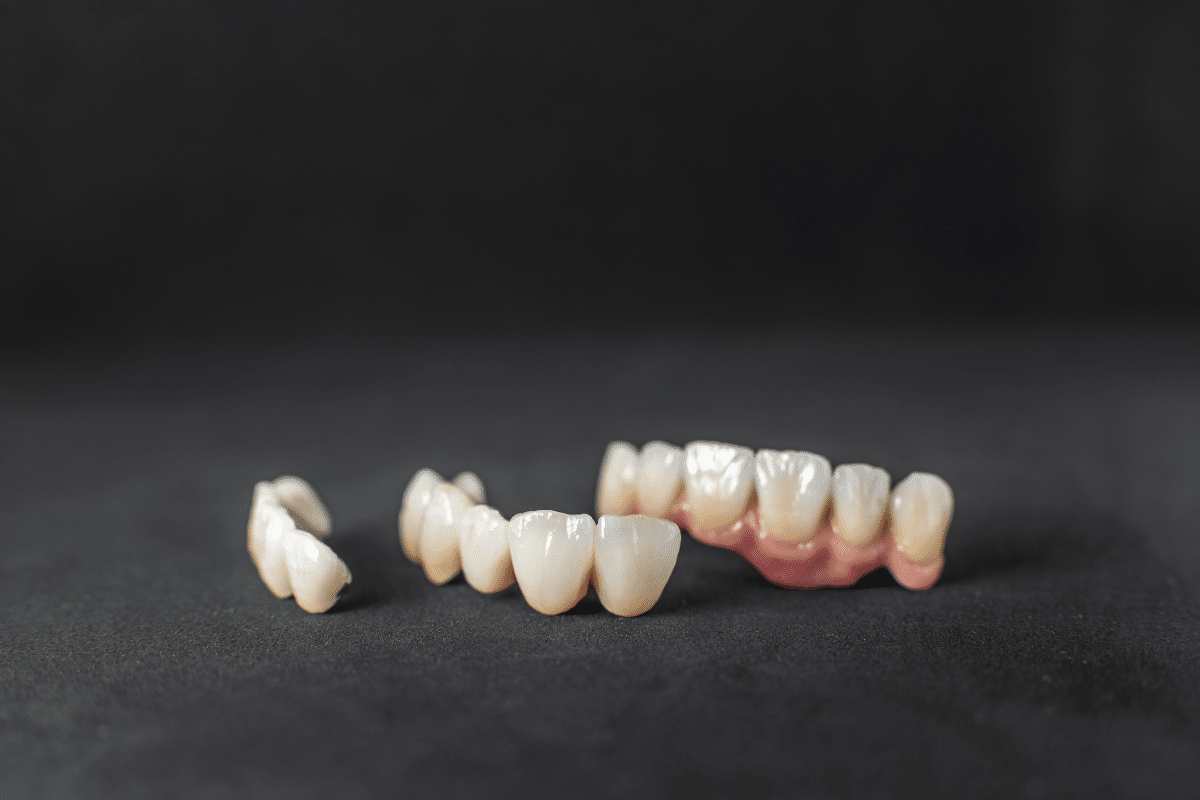
A dental crown is like a protective cap that fits over your existing tooth. Think of it as armor that restores both function and looks.
1. What Are Dental Crowns Made Of?
Modern crowns come in several materials. Each has unique benefits.
Porcelain crowns are the most popular. They look natural and match your teeth perfectly. Great for front teeth where appearance matters.
Metal crowns use gold alloys. They’re super durable and last the longest. Perfect for back teeth where strength beats looks.
Ceramic crowns work well for people with metal allergies. They provide excellent color matching.
Your dentist will help pick the right material for your needs and budget.
2. How Long Do Dental Crowns Last?
With proper care, crowns typically last 10 to 15 years. Some patients keep theirs for 20+ years.
The lifespan depends on:
- Material used
- Your oral hygiene habits
- How much wear the crown gets
Back teeth face more pressure, so crowns there may wear out faster. If you grind your teeth, ask about a night guard.
3. The Crown Procedure Explained
Getting a crown takes two visits.
Visit 1: Your dentist numbs the area and reshapes your tooth. They take impressions for the lab. You get a temporary crown to wear.
Visit 2: The dentist removes the temporary and places your permanent crown. The whole process is painless with modern techniques.
Custom crowns typically take 2-3 weeks to make.
4. Do Dental Crowns Hurt?
The procedure doesn’t hurt. Local anesthesia numbs everything completely. You might feel mild sensitivity for a few days after. Over-the-counter pain relievers handle any discomfort. If you have severe pain or the crown feels too high, call your dentist right away.
5. How to Care for Your Crown
Taking care of crowns is simple. Follow your normal routine:
- Brush twice daily with fluoride toothpaste
- Floss regularly (especially where crown meets tooth)
- Avoid chewing ice or hard objects
- Get regular dental cleanups
The area where your crown meets natural tooth needs extra attention. Bacteria love to hide there.
6. Crown Costs and Insurance
Crown prices vary by material and location. For crowns Las Vegas, expect $800 to $2,000 per crown.
Porcelain costs more than metal due to materials and lab work. Most insurance plans cover part of the cost, especially for necessary treatment.
Check your coverage details and any waiting periods before starting.
7. When Do You Need a Crown?
Several situations call for crowns:
- Large cavities too big for fillings
- Cracked or broken teeth
- After root canal treatment
- Severely worn teeth from grinding
- Cosmetic improvements
Your dentist will evaluate your case and explain if a crown is your best option.
8. Crown Alternatives to Consider
Depending on your situation, other options might work. Large fillings can handle smaller damage. Inlays or onlays work for moderate repair needs. Veneers solve cosmetic issues, while dental implants replace teeth that need extraction.
An experienced dentist will discuss all possibilities with you.
FAQs: Dental Crowns
1. Can I eat normally with a dental crown?
Yes, after a few days of adjustment. Avoid extremely hard foods that could damage any tooth.
2. Will my crown look natural?
Modern porcelain and ceramic crowns match your natural teeth perfectly. Your dentist carefully matches color and shape.
3. What if my crown falls out?
Keep it safe and call your dentist immediately. Don’t try to put it back yourself.
4. How do I know if I need a crown?
Look for tooth pain when chewing, visible cracks, large failed fillings, or rough/sharp tooth edges.
5. Are there alternatives to crowns?
Yes. Options include large fillings, inlays, onlays, or veneers. Your dentist will explain what works best.
6. Do crowns stain like natural teeth?
Porcelain and ceramic crowns resist staining better than natural teeth. The crown-tooth border can still stain, so keep brushing well.
7. How much do crowns cost?
Prices range from $800 – $2,000 depending on material and location. Insurance often covers part of necessary treatments.
Conclusion
Dental crowns solve many tooth problems while restoring your smile’s function and beauty. They protect what’s left of your natural tooth structure.
The key is finding an experienced dentist who guides you through the process. They’ll help choose the right crown type for your specific needs. Whether you’re looking for crowns Las Vegas or anywhere else, quality care makes all the difference.
Are you dealing with tooth pain or a damaged tooth? Maybe you want to improve your smile’s appearance?
Don’t wait for problems to get worse. Contact your local dental practice today to schedule a consultation. Discover how crowns can restore your confidence and oral health. Your future self will thank you for taking action now.