Request An Appointment
6 Natural Ways To Whiten Your Teeth at Home



We’ve all been there. You look in the mirror and notice your teeth aren’t as bright as they used to be. Maybe it’s from your morning coffee habit, or perhaps years of enjoying red wine have taken their toll. Whatever the reason, you’re not alone in wanting a whiter smile. While professional teeth whitening Las Vegas clinics offer excellent results, not everyone is ready to invest in expensive treatments right away.. If you’ve ever winced while drinking cold water after a whitening treatment, you know exactly what I’m talking about.
The good news? You don’t need to spend hundreds of dollars or deal with painful sensitivity to get a brighter smile. There are natural methods you can try at home using ingredients you probably already have in your kitchen. Let’s explore six proven ways to whiten your teeth naturally, along with what actually works and what you need to watch out for.
Understanding Why Teeth Turn Yellow
Before we jump into solutions, it helps to understand what’s happening. Your teeth have an outer layer called enamel, which is naturally white. Below that is a yellower layer called dentin. Over time, the enamel gets thinner from normal wear and tear, allowing more of that yellow dentin to show through.
On top of that, certain foods and drinks leave stains on your enamel. Coffee, tea, red wine, and dark sodas are the biggest culprits. Smoking also causes significant discoloration. Even some medications can darken teeth over time.
The methods below target surface stains and help strengthen your enamel, but they won’t change the natural color of your dentin. That’s important to keep in mind so you have realistic expectations.
1. Baking Soda and Hydrogen Peroxide Paste
This combination is probably the most researched natural whitening method. Baking soda is mildly abrasive, which means it scrubs away surface stains without being too harsh on your enamel. Hydrogen peroxide is a natural bleaching agent that dentists actually use in professional whitening treatments, just in higher concentrations.
How to use it properly: Mix two teaspoons of hydrogen peroxide (the 3% solution you find at drugstores) with one teaspoon of baking soda. You’ll get a paste that’s thick enough to stick to your toothbrush. Brush gently for about two minutes, making sure to cover all visible tooth surfaces. Spit it out and rinse your mouth thoroughly with water. You can do this two to three times per week.
What to watch for: Don’t use this every single day. Your enamel needs time to remineralize between treatments. If you notice any sensitivity, cut back to once a week or take a break.
2. Oil Pulling with Coconut Oil
This ancient practice has been around for thousands of years, and there’s actually some science backing it up. Oil pulling reduces the bacteria in your mouth that contribute to plaque formation. Less plaque means less yellowing over time.
Coconut oil is the best choice because it contains lauric acid, which is particularly good at killing harmful bacteria. Plus, it tastes better than other oils, which makes the process more bearable.
How to do it: Put one tablespoon of coconut oil in your mouth first thing in the morning. If it’s solid, it’ll melt quickly. Swish it around gently for 15 to 20 minutes while you’re getting ready for the day. Don’t swallow it since it’s collecting bacteria. Spit it into the trash (not your sink, as it can clog pipes), rinse with water, and brush your teeth normally.
Real talk: Twenty minutes seems like forever at first. Start with five minutes and work your way up. The key is consistency. People who do this daily report noticeably whiter teeth after a few weeks.
3. Activated Charcoal
This black powder might seem counterintuitive for whitening, but it’s become popular for good reason. Activated charcoal is highly porous, which means it binds to stains and pulls them away from your tooth surface. Many people looking into teeth whitening Las Vegas treatments have tried this method first with good results for surface stains.
How to use it safely: Wet your toothbrush and dip it into food-grade activated charcoal powder. Brush very gently in small circles for two minutes. The key word here is gently. You’re not scrubbing a dirty pot. Rinse thoroughly until all the black residue is gone. Use this once or twice a week maximum.
Important warning: Activated charcoal can be abrasive if you brush too hard. It can also make a mess in your sink, so be prepared for cleanup. Don’t use it if you have exposed roots or receding gums.
4. Apple Cider Vinegar Rinse
Apple cider vinegar has acetic acid that can help break down tough stains, especially from coffee and cigarettes. However, this is one method where less is definitely more. The acid that makes it effective at removing stains can also erode your enamel if you use it too often.
The right way to use it: Always dilute apple cider vinegar before using it in your mouth. Mix one part vinegar with three parts water. Swish this solution around for about one minute, then spit it out and rinse your mouth thoroughly with plain water. Wait at least 30 minutes before brushing your teeth, as brushing right after can damage softened enamel. Use this method only once or twice a week.
My honest opinion: This method works, but it’s not my favorite because of the enamel concerns. If you have sensitive teeth or thin enamel already, skip this one.
5. Strawberry and Baking Soda Treatment
Strawberries contain malic acid, which is a natural astringent that can help remove surface discoloration. When you combine them with baking soda, you get both chemical and physical stain removal.
How to make it work: Mash one ripe strawberry with a fork until it’s smooth. Mix it with half a teaspoon of baking soda to create a paste. Apply this mixture to your teeth and let it sit for five minutes. Rinse completely with water, then brush with your regular toothpaste. Use this once a week.
The catch: Strawberries contain sugar and acid, so you must brush afterward with fluoride toothpaste to protect your teeth. Don’t leave the mixture on longer than five minutes.
6. Consistent Oral Hygiene Routine
Here’s the truth that nobody wants to hear: fancy whitening treatments won’t help much if you’re not taking care of your teeth daily. Brushing twice a day and flossing once removes the plaque and food particles that cause staining in the first place.
Building better habits: Use a soft-bristled toothbrush and replace it every three months. Brush for a full two minutes, not the 30 seconds most people actually do. Floss before bed to remove particles stuck between teeth. Rinse your mouth with water after drinking coffee or eating foods that stain.
If you’re serious about keeping your teeth white, these daily habits matter more than any whitening treatment.
When Natural Methods Aren’t Enough
Let’s be realistic. Natural whitening methods work well for surface stains and maintaining brightness, but they have limits. If your teeth are deeply stained or naturally darker, you might need professional help.
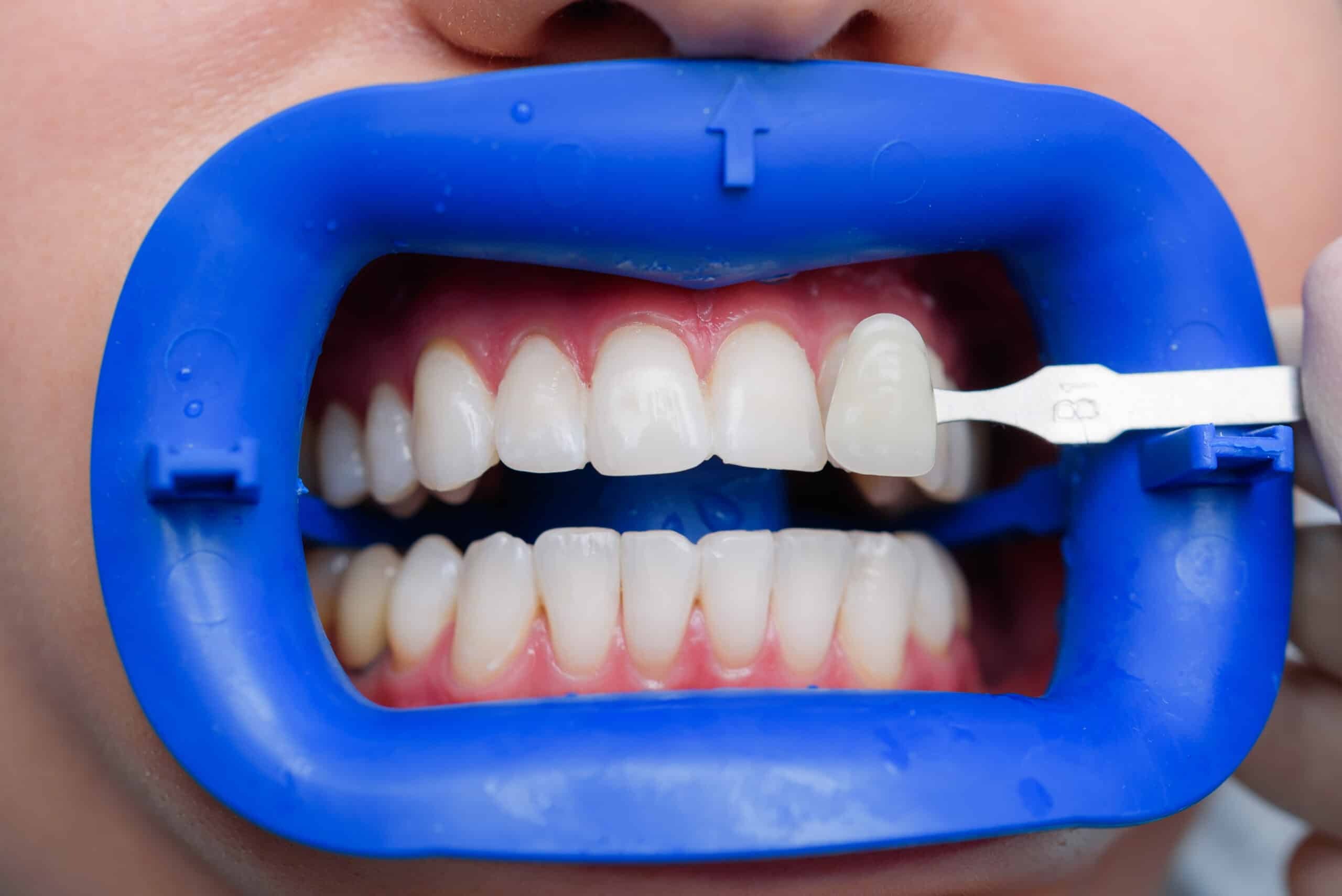
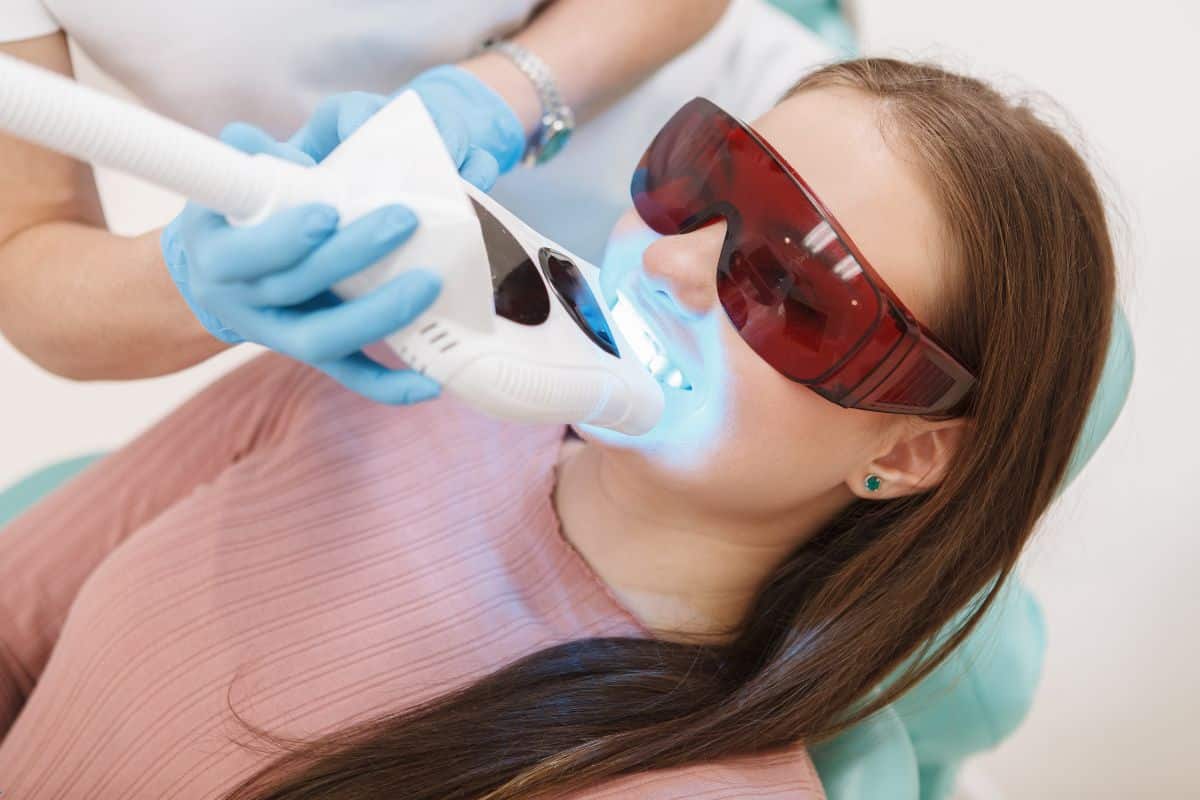
If you’re in the area and searching for teeth whitening Las Vegas options, professional treatments can provide dramatic results in just one visit. A cosmetic dentist near me can assess your specific situation and recommend treatments that match your goals and budget.
Professional whitening uses higher concentrations of bleaching agents in a controlled environment, which means better results with less risk of damage. For people with stubborn stains or those who want faster results, it’s worth considering.
Read More: 10 Interesting Facts About Teeth Whitening
Frequently Asked Questions
1. How long before I see results from natural methods?
Most people notice gradual improvement over three to four weeks of consistent use. Natural methods work slowly compared to professional treatments.
2. Can I combine different whitening methods?
It’s better to stick with one method at a time. Using multiple approaches can irritate your gums and damage enamel.
3. Will whitening work if I have cavities or gum disease?
No. Address dental health problems first before attempting any whitening. The chemicals can cause pain and worsen existing issues.
4. Why are my teeth still yellow after trying everything?
Some yellowing comes from the dentin layer beneath your enamel, which natural methods can’t change. Genetics also play a role in natural tooth color.
5. Can teenagers use these natural whitening methods?
Young people under 16 should avoid whitening treatments since their tooth enamel is still developing. Check with a dentist first.
6. How do I maintain white teeth after whitening?
Limit staining foods and drinks, use a straw when possible, quit smoking, and maintain excellent oral hygiene. Touch-up treatments every few months help maintain results.
7. Are whitening toothpastes worth buying?
They can help maintain whiteness by removing surface stains, but they won’t dramatically change your tooth color.
Conclusion
Natural teeth whitening methods can improve surface stains and brighten your smile with patience and consistency. However, if you’ve tried these approaches without success or want faster, more dramatic results, professional teeth whitening Las Vegas services offer safe and effective solutions. A cosmetic dentist near me can provide customized treatments based on your specific tooth condition and whitening goals.
Don’t ignore underlying dental problems while pursuing whiter teeth. If you experience persistent sensitivity, gum pain, or other concerning changes, book an appointment with a qualified dental professional. For comprehensive care and personalized guidance, contact a local family dental clinic at your place to evaluate your oral health and help you achieve a healthy, bright smile that lasts.